Archive: 2026/01
-
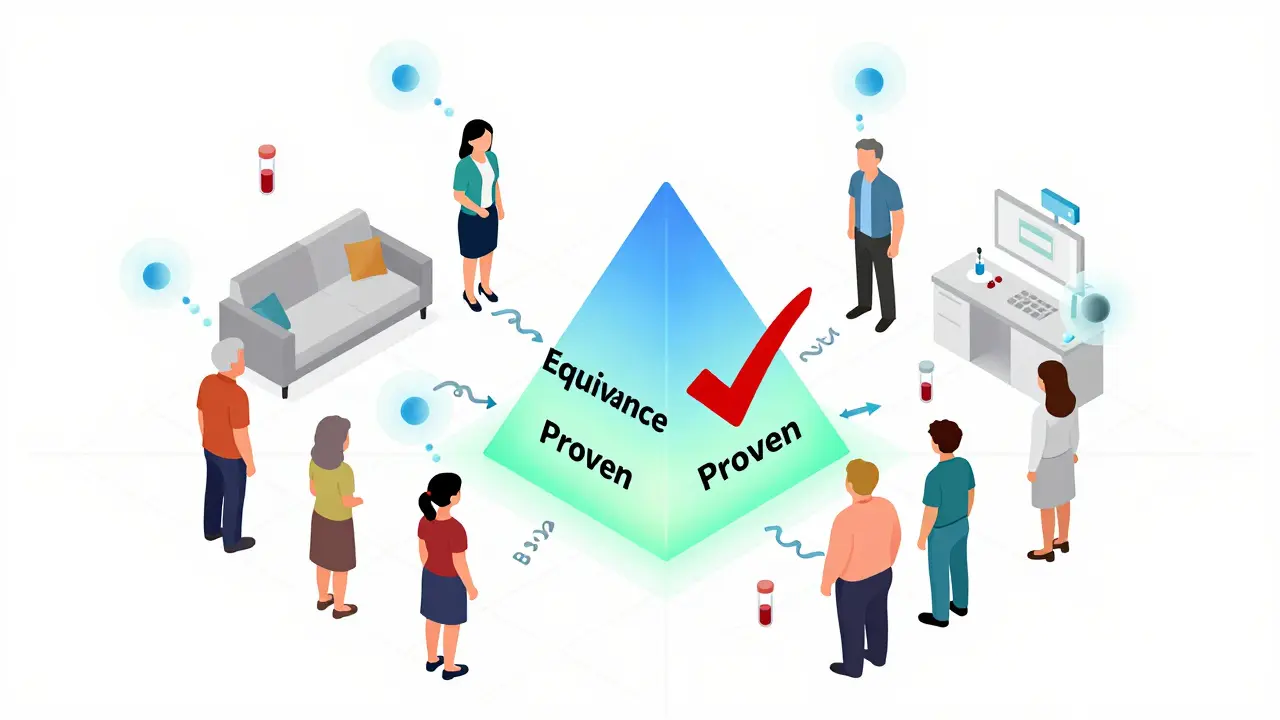
Population Pharmacokinetics: Using Real-World Data to Prove Drug Equivalence
Population pharmacokinetics uses real-world patient data to prove drug equivalence across diverse populations, replacing outdated methods that rely only on healthy volunteers. It's now a regulatory standard for generics, biosimilars, and narrow-therapeutic-index drugs.
-
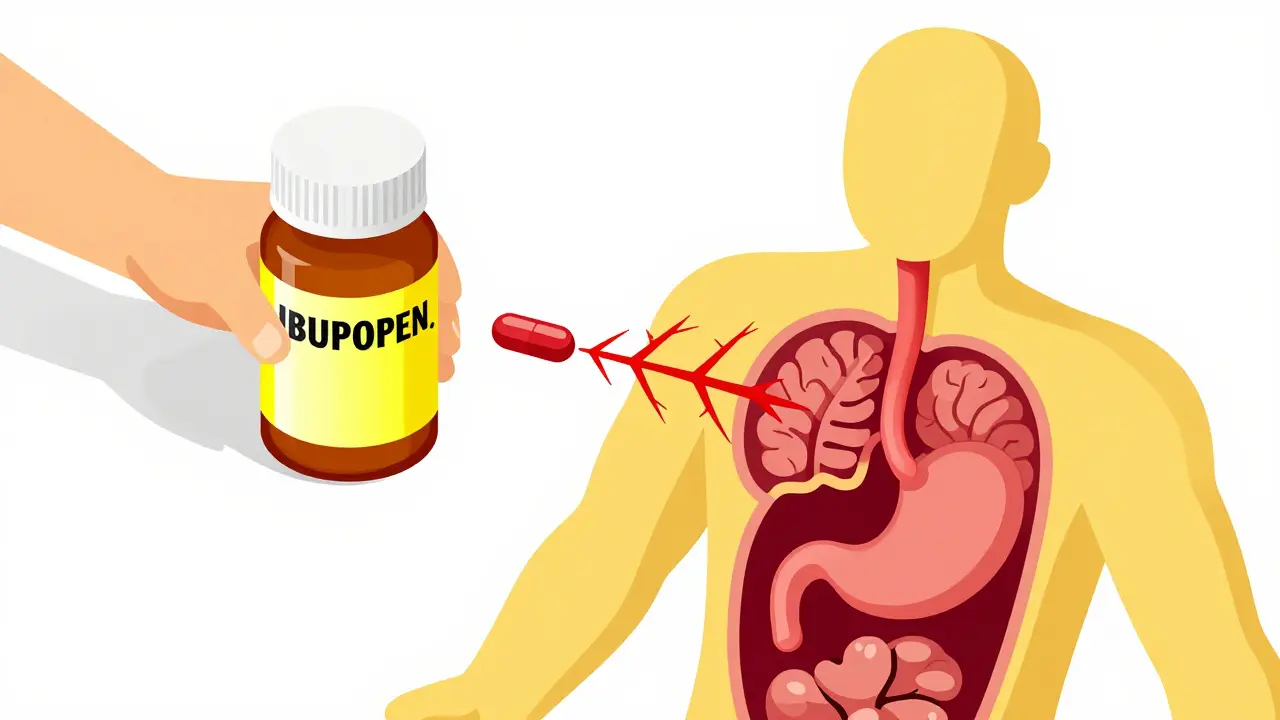
NSAIDs and Blood Thinners: The Hidden Danger of Combining Pain Relief with Anticoagulants
Combining NSAIDs like ibuprofen or naproxen with blood thinners greatly increases the risk of dangerous bleeding. Learn why this mix is so risky, which painkillers are safe, and what to do instead.
-
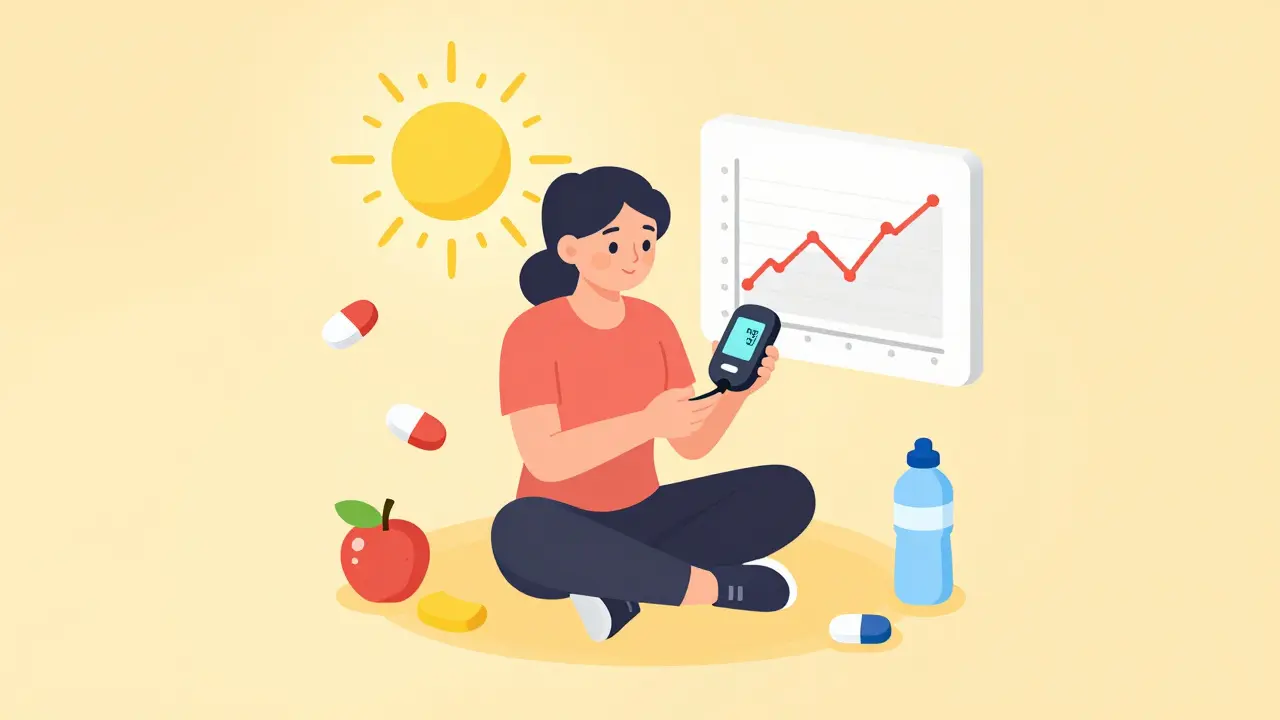
Diabetes and Exercise: How to Prevent Low Blood Sugar During Workouts
Learn how to prevent low blood sugar during workouts if you have diabetes. Discover the best exercises, when to eat, how to adjust insulin, and how to avoid dangerous nighttime lows.
-
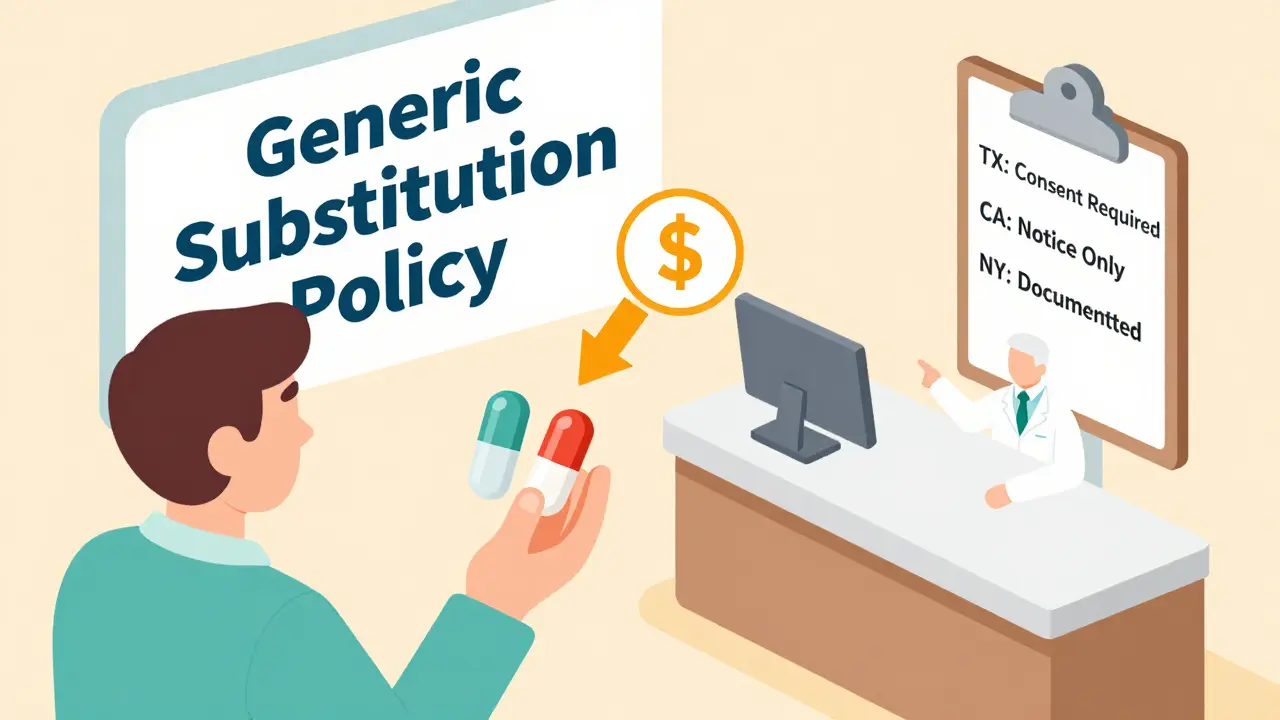
How to Handle Insurance Requirements for Generic Substitution
Understand how insurance policies force generic drug substitutions, when you can fight back, and what to do if you feel worse after switching - with real rules, state-by-state differences, and practical steps to protect your treatment.
-
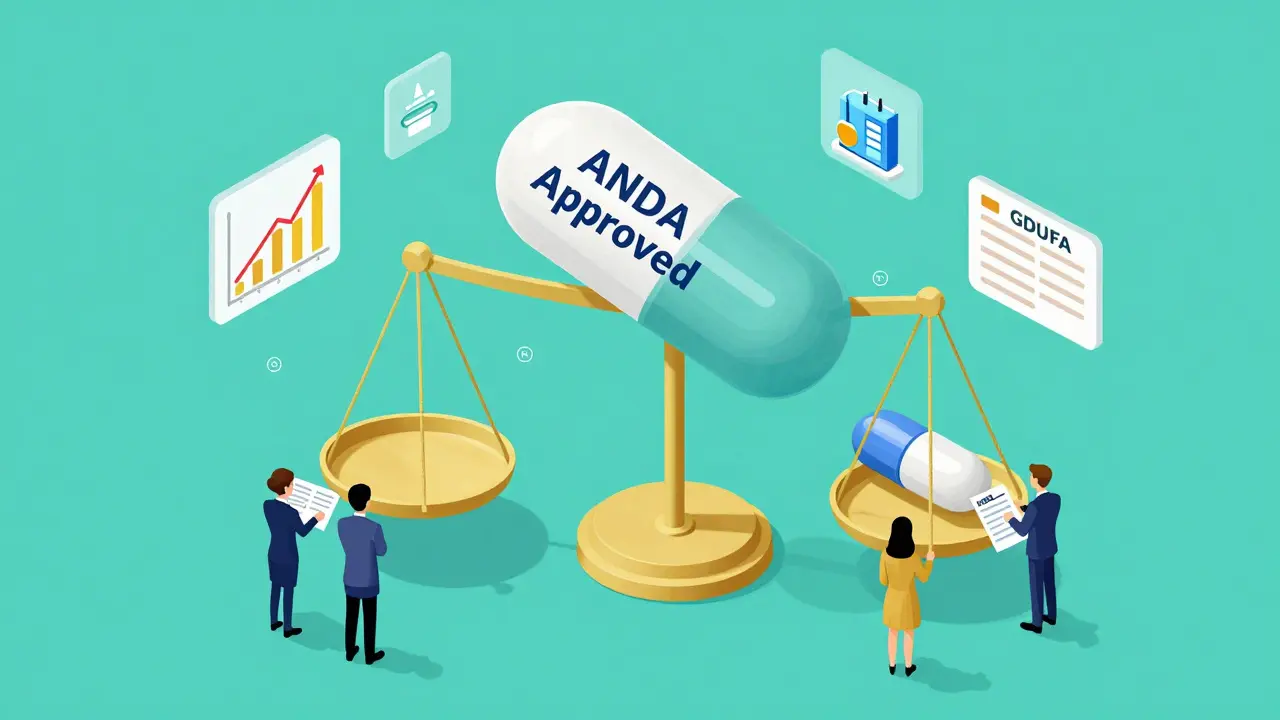
ANDA Process: Legal Requirements for Generic Drug Approval in the U.S.
The ANDA process enables generic drug approval in the U.S. by proving equivalence to brand-name drugs without clinical trials. Legal requirements include bioequivalence, CMC compliance, patent certifications, and FDA user fees under the Hatch-Waxman Act.
-
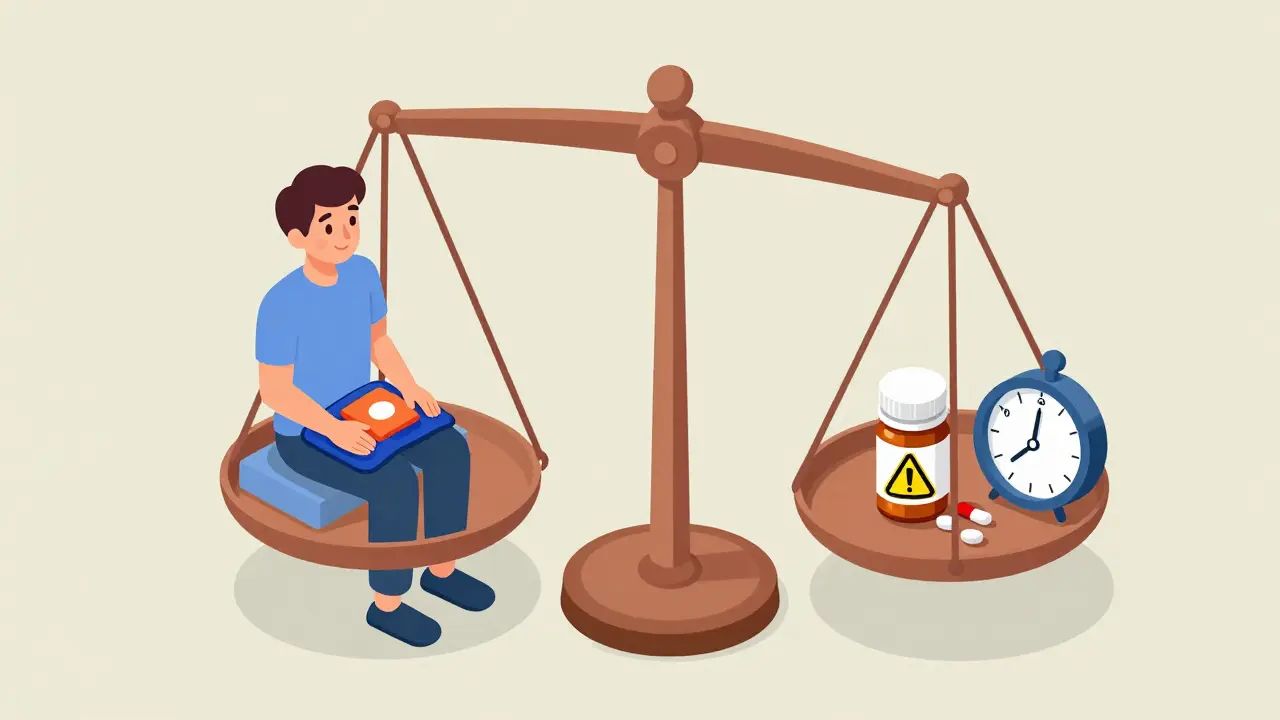
Opioid Therapy: When It’s Appropriate and How to Manage Dependence Risks
Opioid therapy can help with severe pain, but it carries serious risks of dependence and overdose. Learn when it’s appropriate, how to spot danger signs, and what safer alternatives exist.
-
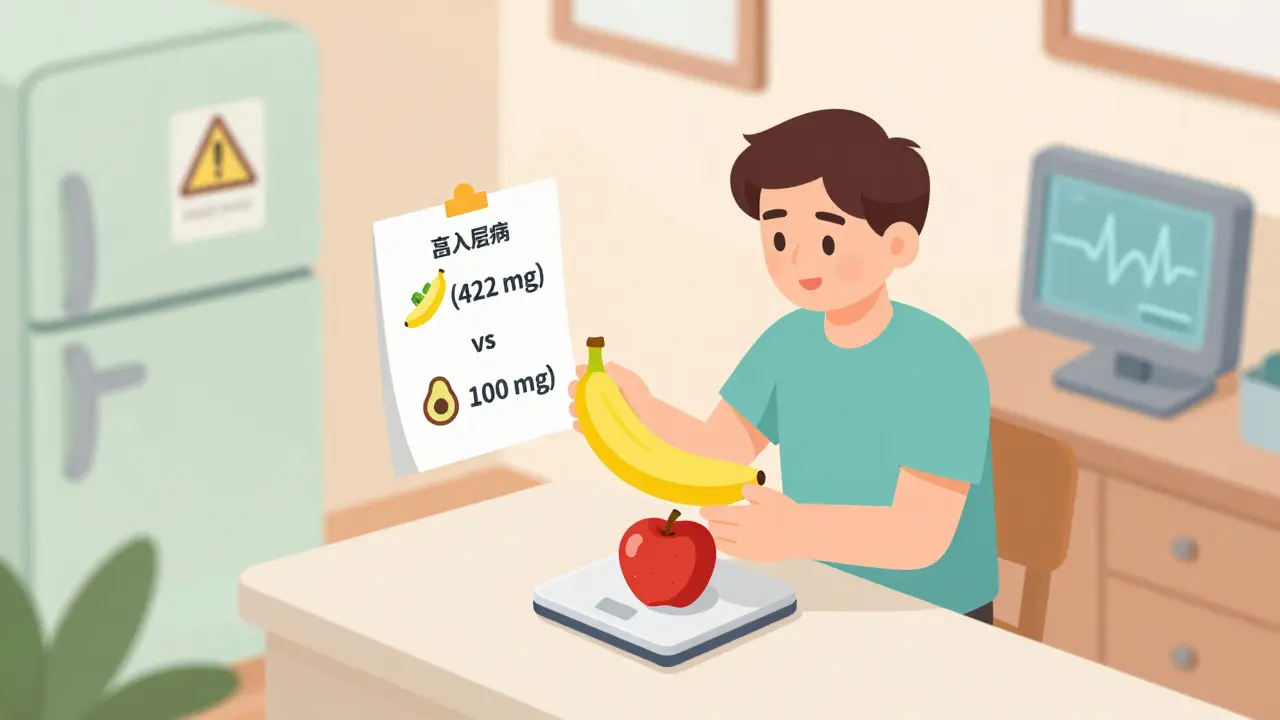
Hyperkalemia in CKD: Diet Limits and Emergency Treatment
Hyperkalemia in CKD is a dangerous but manageable condition. Learn safe potassium limits, emergency treatments, and how modern binders let you keep life-saving heart meds without risking your health.
-
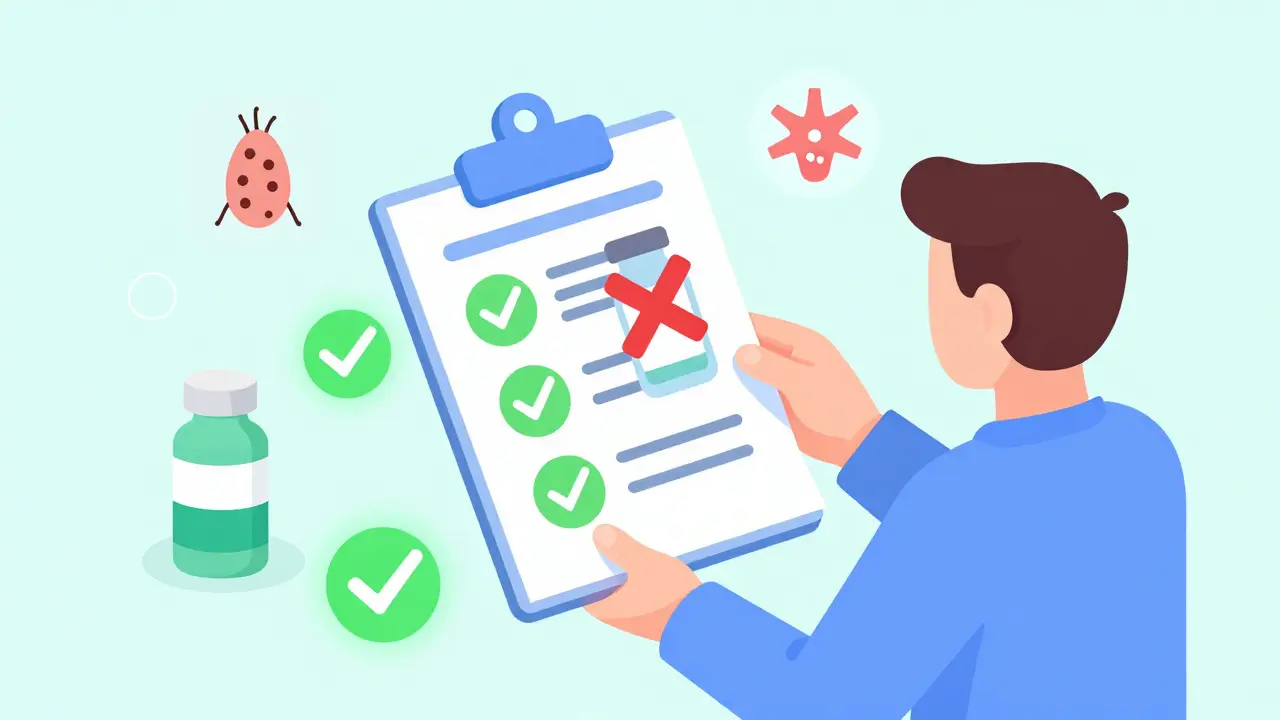
When to Avoid a Medication Family After a Severe Drug Reaction
Not all severe drug reactions mean avoiding an entire medication family. Learn when true allergies require avoidance and when other drugs in the class are still safe, based on reaction type, cross-reactivity, and new diagnostic tools.
-
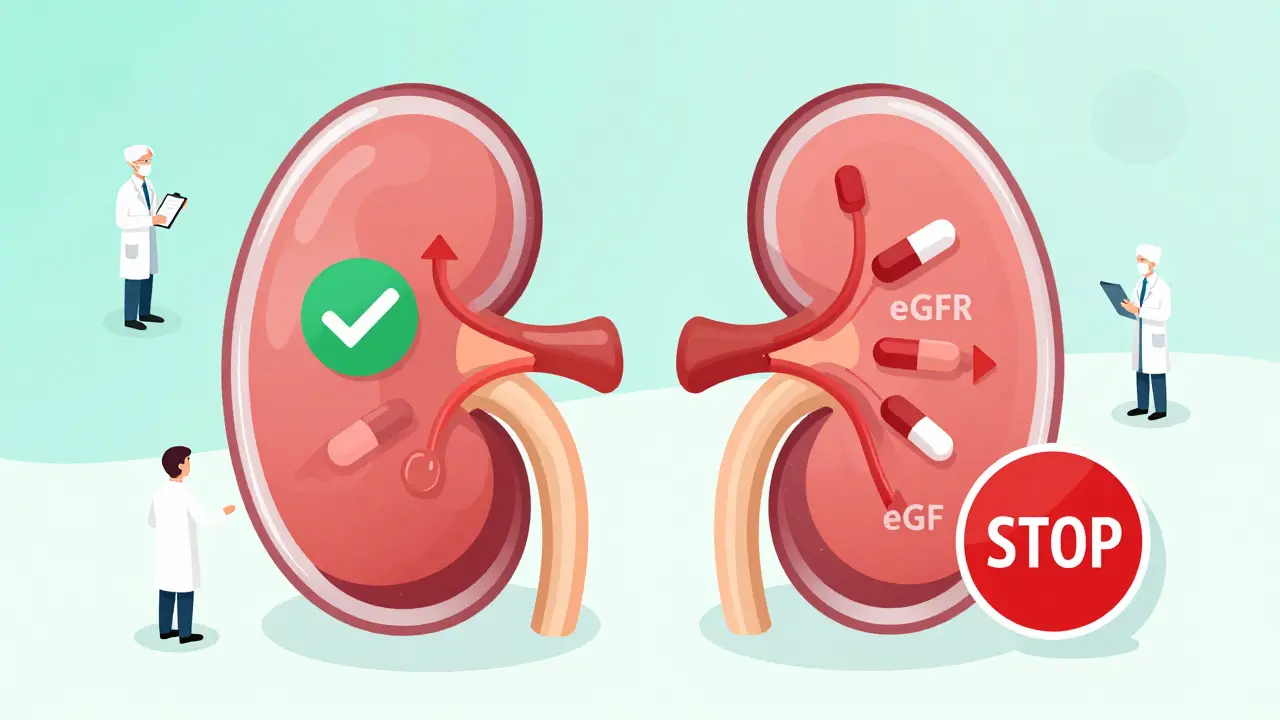
Anticoagulation in Kidney and Liver Disease: What Doctors Really Do
Managing blood thinners in kidney and liver disease is complex. Apixaban is often the safest DOAC option, but warfarin still has a role. Bleeding risk must be weighed against stroke prevention in real-world patients.
-
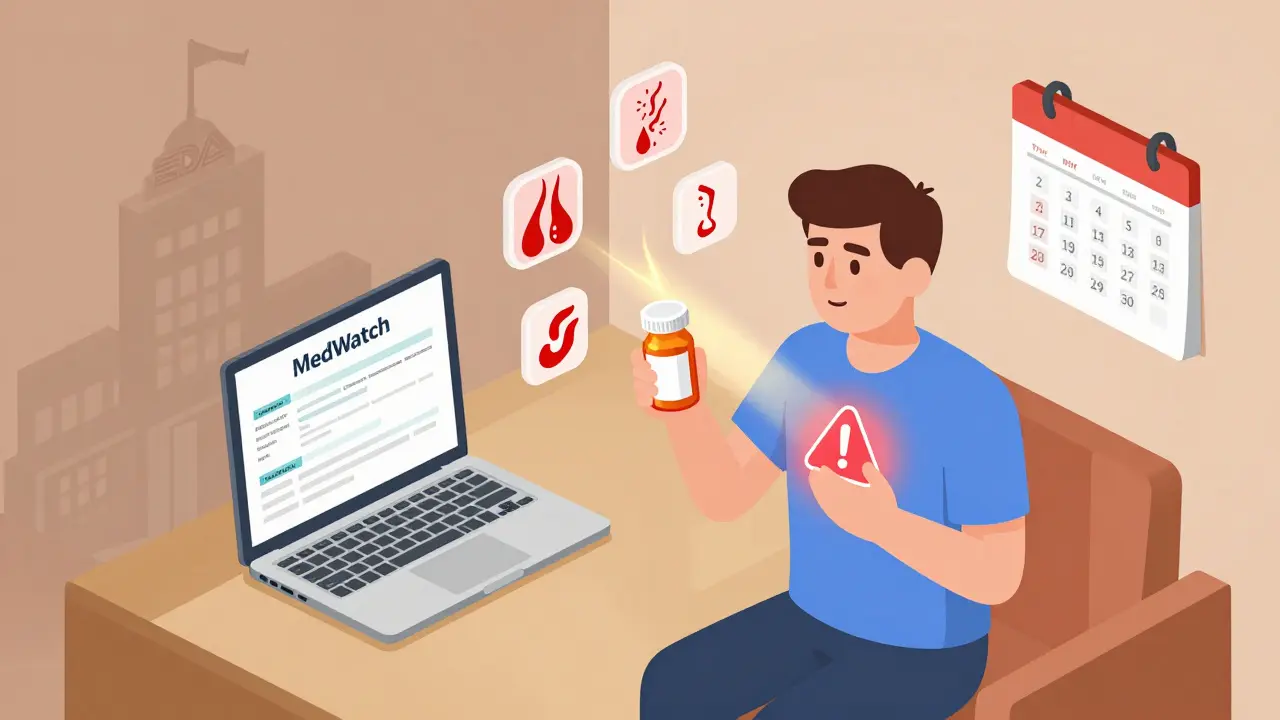
How to Report Adverse Events to the FDA for Medications: A Step-by-Step Guide
Learn how to report medication side effects to the FDA using MedWatch. Step-by-step guide for patients, families, and caregivers on submitting adverse event reports to improve drug safety.
-
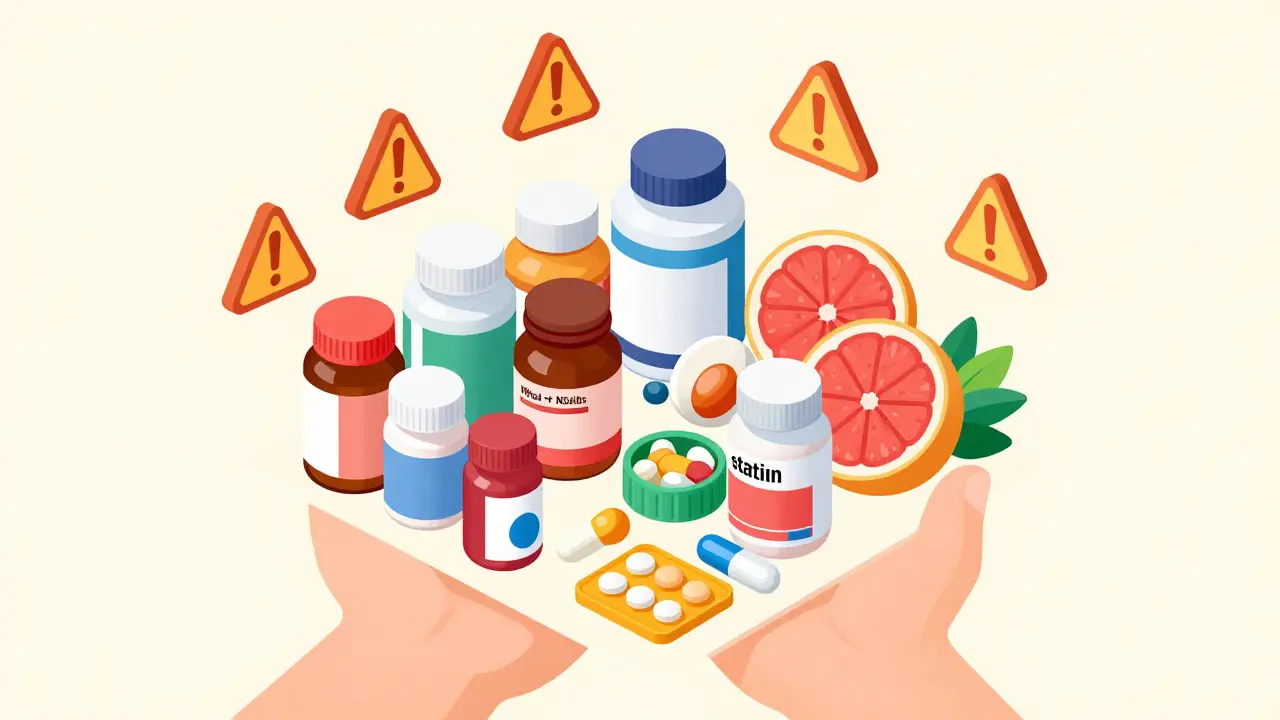
How to Check for Drug Interactions Before Starting New Medications: A Step-by-Step Guide
Learn how to check for dangerous drug interactions before starting any new medication. Follow practical steps to avoid life-threatening side effects and keep your treatment safe.
-
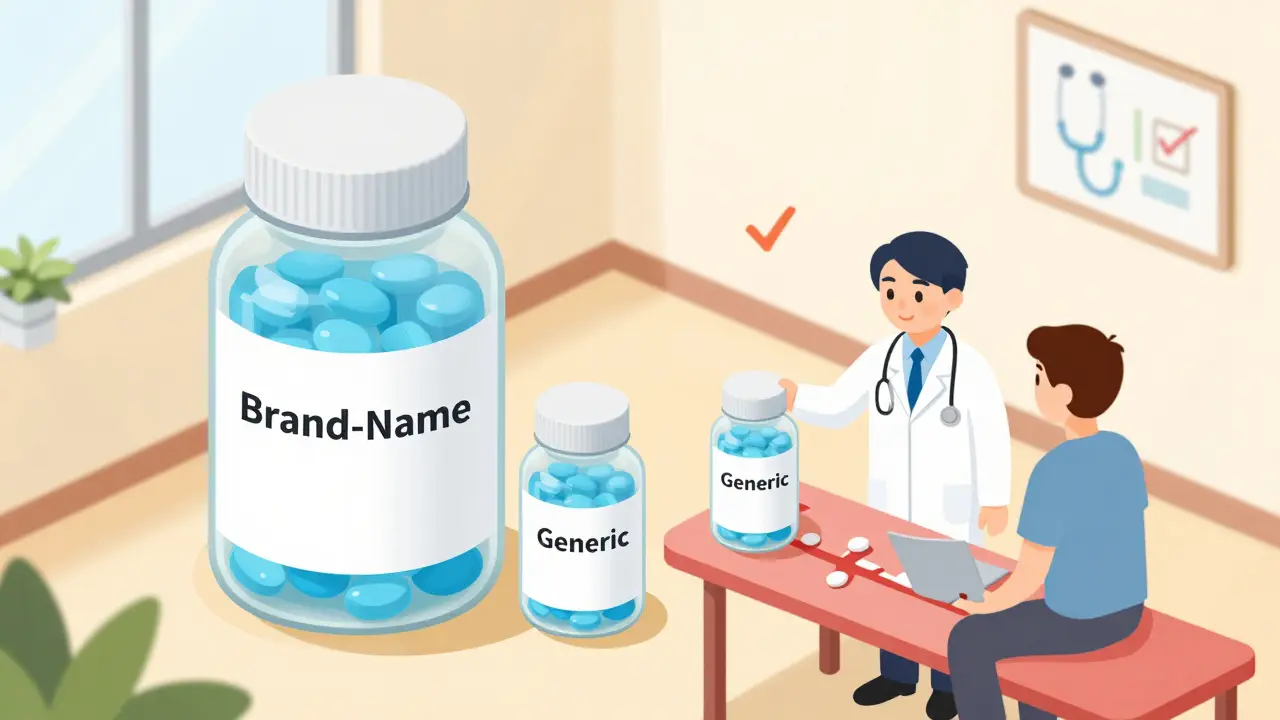
Why Doctors Recommend Generic Medications - And Why Patients Still Hesitate
Doctors overwhelmingly support generic medications for their effectiveness and cost savings, yet patient hesitation and prescribing habits still limit their use. Here’s why generics are just as safe - and how better communication can improve adherence.