Tag: bioequivalence
-

How to Decide Between Multiple Generics: A Guide to Bioequivalence and Safety
Learn how to choose between multiple generic medications. We explain bioequivalence, FDA ratings, and when manufacturer consistency matters for your health.
-

Federal Food, Drug, and Cosmetic Act: The Legal Bedrock of Generic Drugs
Explore how the Federal Food, Drug, and Cosmetic Act and Hatch-Waxman Amendments created the legal path for affordable generic drugs through the ANDA process.
-
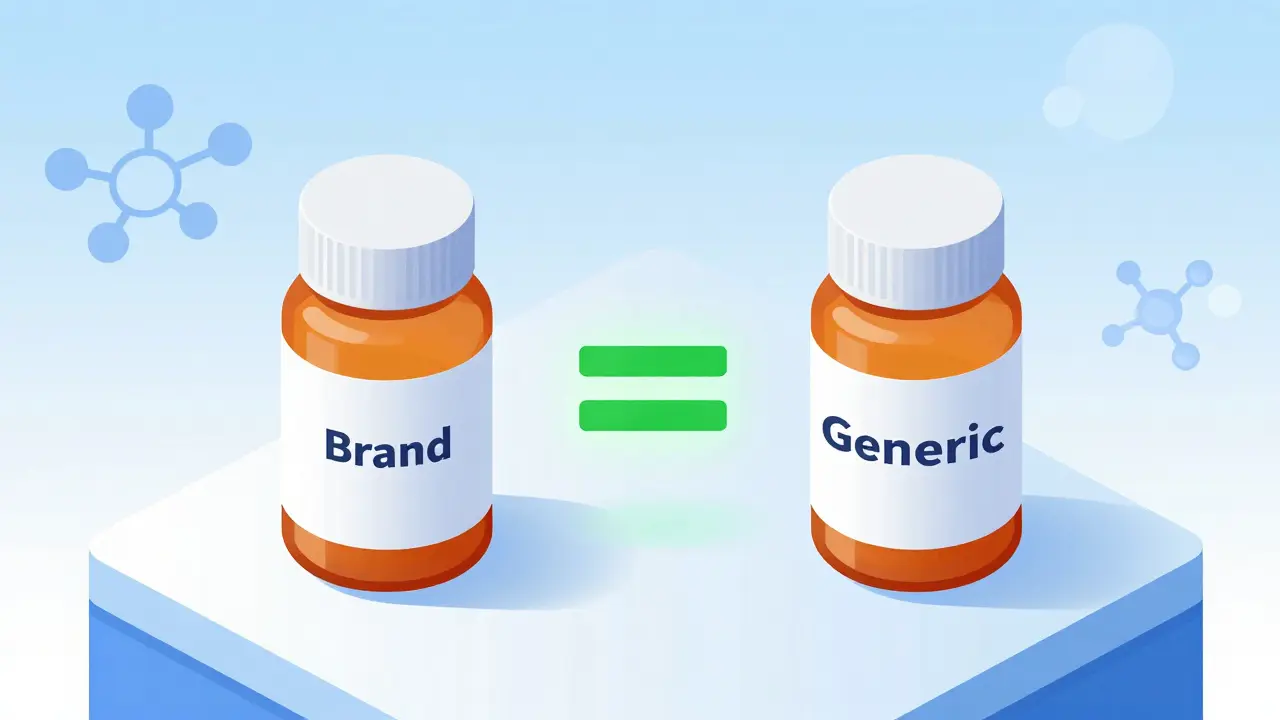
How Pharmacists Verify Generic Equivalence: A Guide to Practice Standards
Learn how pharmacists use the FDA Orange Book and bioequivalence standards to verify that generic drugs are therapeutically equivalent to brand-name medications.
-

Clinical Outcomes Data: What Studies Reveal About Generic Medications for Providers
Clinical studies confirm that generic drugs are as effective and safe as brand-name medications. Learn what the data reveals about bioequivalence, real-world outcomes, and how to confidently prescribe generics.
-
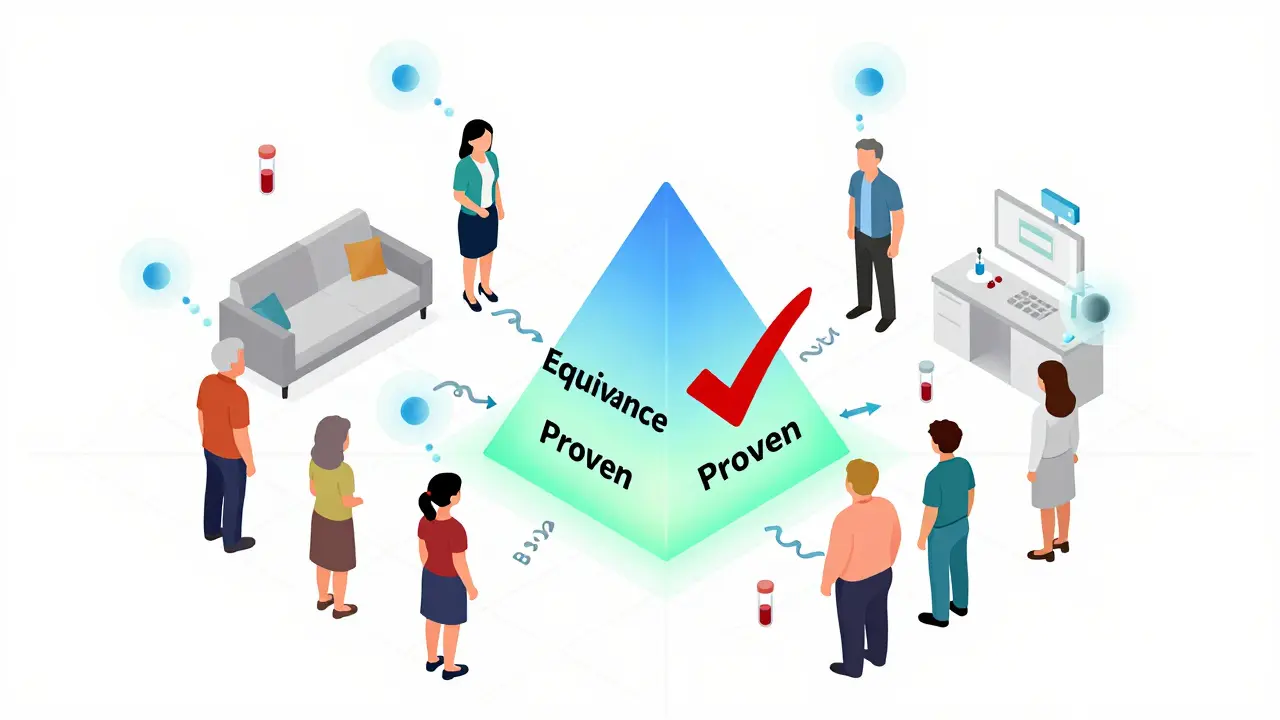
Population Pharmacokinetics: Using Real-World Data to Prove Drug Equivalence
Population pharmacokinetics uses real-world patient data to prove drug equivalence across diverse populations, replacing outdated methods that rely only on healthy volunteers. It's now a regulatory standard for generics, biosimilars, and narrow-therapeutic-index drugs.
-

Therapeutic Failures: When a Generic Drug Doesn't Work as Expected
Generic drugs are supposed to be safe and effective alternatives to brand-name medications - but when they fail to work as expected, the consequences can be severe. Learn why some generics don't deliver the promised results and what you can do to protect yourself.