It’s supposed to be the same drug. Same active ingredient. Same price. So why does it sometimes feel like your body is reacting like it’s a completely different medicine?
For millions of people taking generic medications, the assumption is simple: if it’s approved by the FDA or equivalent agencies, it works just like the brand-name version. But in reality, that’s not always true. Therapeutic failure - when a prescribed drug doesn’t produce the expected clinical result - happens more often than most patients or even doctors realize. And when it comes to generics, the risks aren’t theoretical. They’re documented, measured, and sometimes deadly.
Why a Generic Might Not Work
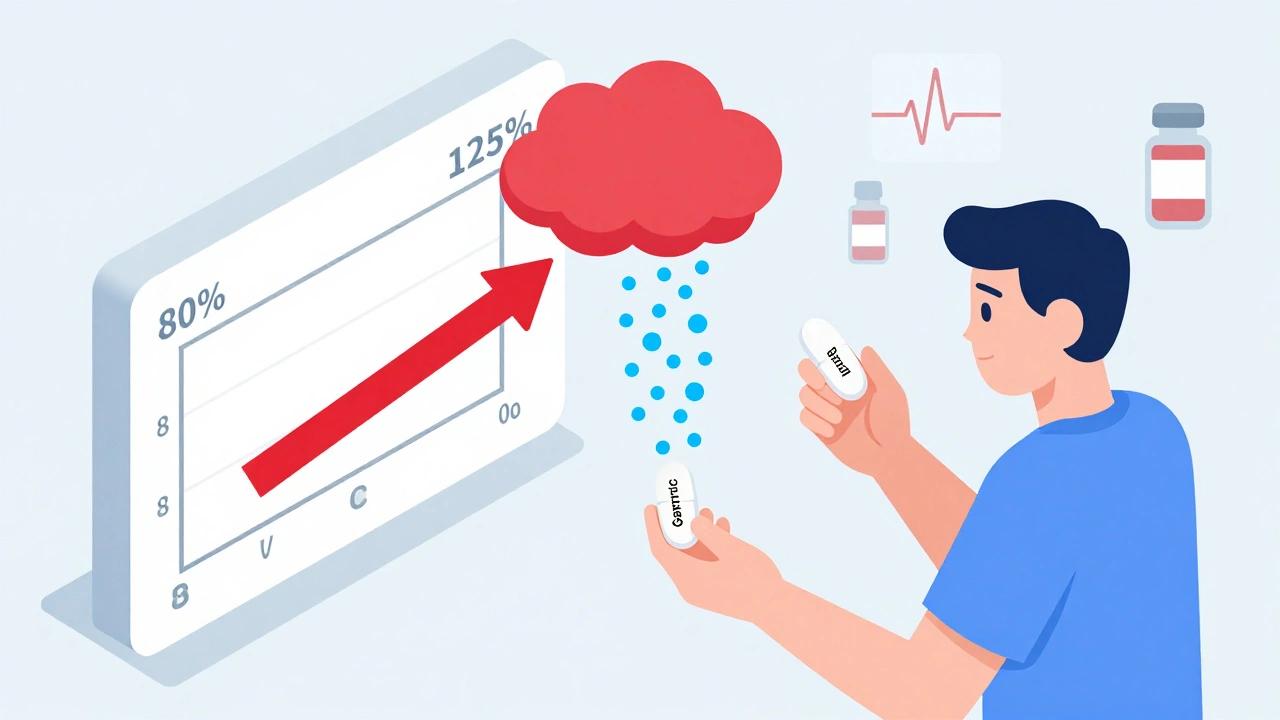
The FDA requires generics to prove they’re bioequivalent to the brand-name drug. That means the amount of active ingredient absorbed into your bloodstream must fall between 80% and 125% of the original. Sounds precise, right? But here’s the catch: that’s a 45% range. For most medications, that’s fine. For others, it’s a recipe for disaster.
Take warfarin, a blood thinner. Too little, and you risk a stroke. Too much, and you could bleed internally. The difference between life and death is often just a few percentage points in absorption. That’s why the FDA applies stricter standards - 90% to 111% - for drugs with a narrow therapeutic index (NTI). But not all NTI drugs get this extra scrutiny. And even when they do, manufacturing inconsistencies can still slip through.
One study found that some generic versions of extended-release Concerta, used for ADHD, dissolved over three times faster than the brand. That means patients got a sudden spike in medication instead of a steady release. The result? Increased side effects like jitteriness and insomnia - and no real improvement in focus. Another case involved generic tacrolimus, a critical drug for transplant patients. When the generic didn’t release properly, patients started rejecting their new organs.
The Silent Problem: Inconsistent Dosing
It’s not just about how fast the drug gets into your system. It’s about how much is actually in each pill.
Investigators from the Therapeutic Investigations Bureau of Journalism found that some generic chemotherapy drugs contained as little as 72.5% of the labeled dose. Others had over 112%. And in some blister packs from the same batch, pills varied wildly - one contained the right amount, the next had barely enough to be effective. This isn’t a glitch. It’s a pattern.
Manufacturing deficiencies account for over 30% of problems in generic drug applications. The issues? Poor dissolution rates, unstable formulations, and degraded active ingredients. Some APIs break down in humidity. Others oxidize when exposed to light. If the packaging doesn’t protect against it - and many don’t - the drug loses potency before it even reaches your medicine cabinet.
And it’s not just about the active ingredient. Inactive ingredients - the fillers, binders, and coatings - can change how a drug behaves. That’s what happened with Budeprion XL, a generic version of Wellbutrin. The formulation used different fillers that altered how the drug was released. Patients reported depression returning, suicidal thoughts, and severe anxiety. The FDA pulled it off the market in 2013 after years of complaints.

Who’s at Risk?
Not everyone is equally vulnerable. The biggest risks are for people taking:
- Anticoagulants like warfarin or rivaroxaban - small changes in absorption can cause clots or bleeding
- Antiepileptics like phenytoin or carbamazepine - even a 10% drop can trigger seizures
- Immunosuppressants like cyclosporine or tacrolimus - too little, and the body rejects the transplant
- Thyroid medications like levothyroxine - slight shifts can cause fatigue, weight gain, or heart problems
- Cancer drugs like methotrexate or vinca alkaloids - underdosing means the cancer grows; overdosing can kill healthy cells
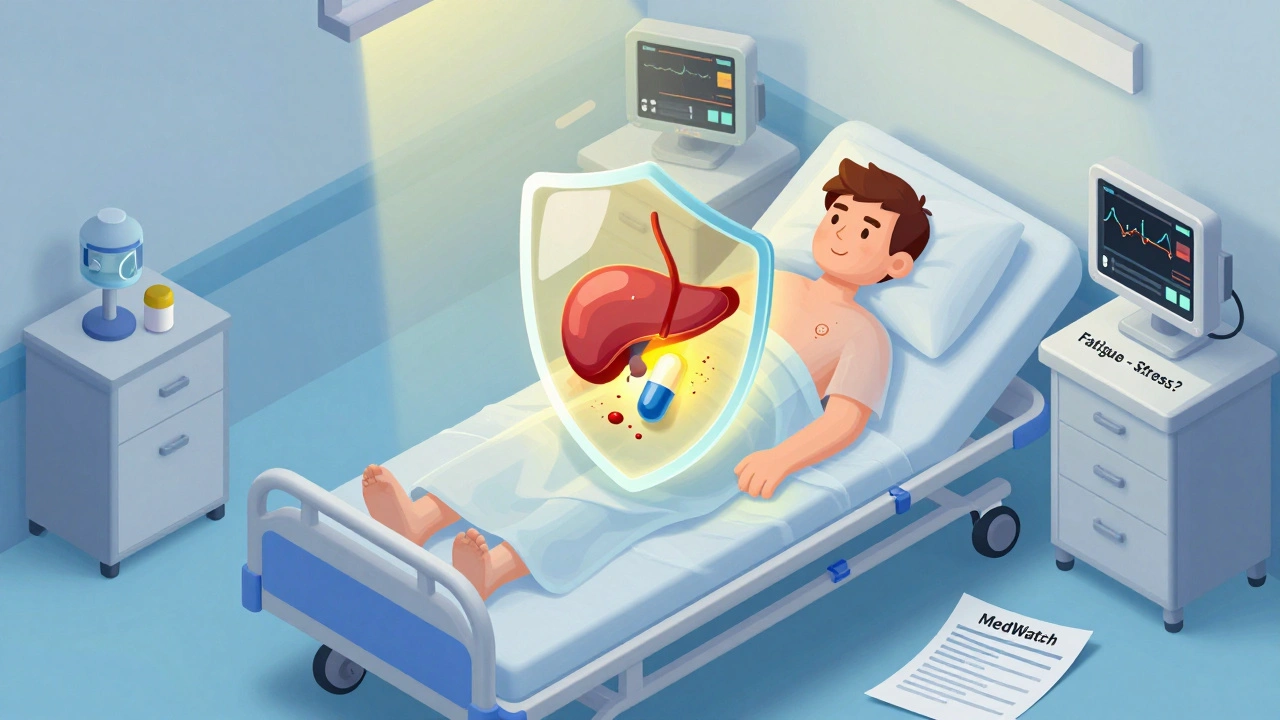
Patients on these drugs often need frequent blood tests to monitor levels. But even then, if the drug’s bioavailability changes between refills, doctors can’t always catch it. One patient, after a heart transplant, noticed her fatigue worsening. Her doctor blamed stress. Only when she switched back to the brand-name tacrolimus did her symptoms vanish. The generic she’d been given contained 15% less active ingredient than labeled.
The Supply Chain Is Broken
Most generic drugs aren’t made in the U.S. They come from India, China, and other countries where regulatory oversight is weaker. The FDA inspects only a fraction of foreign facilities each year. And even when inspections happen, they’re often announced in advance - giving manufacturers time to clean up.
Meanwhile, Pharmacy Benefit Managers (PBMs) - middlemen who negotiate drug prices for insurers - push pharmacies to dispense the cheapest generic, regardless of quality. The system is designed to save money, not to save lives. The result? A race to the bottom. Companies cut corners on packaging, stability testing, and quality control to win contracts. And patients pay the price.
Recalls are common. In 2024, Glenmark pulled nearly 47 million doses of potassium chloride because the tablets weren’t dissolving. Patients with low potassium levels - often heart patients - were left without the medication they needed to survive. The same thing happened with valsartan, losartan, and ranitidine, all contaminated with cancer-causing nitrosamines. The FDA knew about the risks for years before acting.
What You Can Do
You don’t have to accept therapeutic failure as normal. Here’s what works:
- Ask your doctor if your drug is an NTI medication. If it is, ask whether a brand-name version is medically necessary.
- Check the pill. If the color, shape, or imprint changes between refills, ask your pharmacist why. It could be a different manufacturer.
- Track your symptoms. If you feel worse after switching to a generic - fatigue, dizziness, mood changes, seizures - document it. Bring it to your doctor. Don’t assume it’s your condition worsening.
- Request the brand. If your insurance denies it, ask for a prior authorization based on therapeutic failure. Many insurers will approve it if you have documented evidence.
- Report it. Use the FDA’s MedWatch system to report adverse effects from generics. These reports help trigger investigations.
Some patients have had success getting their insurers to cover the brand-name drug after just one failed switch. Others have been told to “just wait and see.” But waiting can be dangerous. In cancer treatment, a few weeks of underdosing can mean the difference between remission and progression.
It’s Not Just About Money
Generic drugs saved billions in healthcare costs. That’s not in dispute. But when cost-cutting leads to inconsistent dosing, ineffective treatment, or worse - when patients die because a pill didn’t dissolve properly - the system has failed.
The FDA’s standards were designed for the majority of drugs. They’re not built for the high-risk few. And until regulators demand tighter bioequivalence rules for NTI drugs, require full transparency from manufacturers, and enforce real-time quality monitoring - this problem won’t go away.
For now, patients must become their own advocates. Know your medication. Question changes. Speak up when something feels off. Because in the world of generics, the difference between life and death can be as small as a few percentage points - and no one else is watching closely enough to catch it.


