Author: Evelyn Ashcombe
-
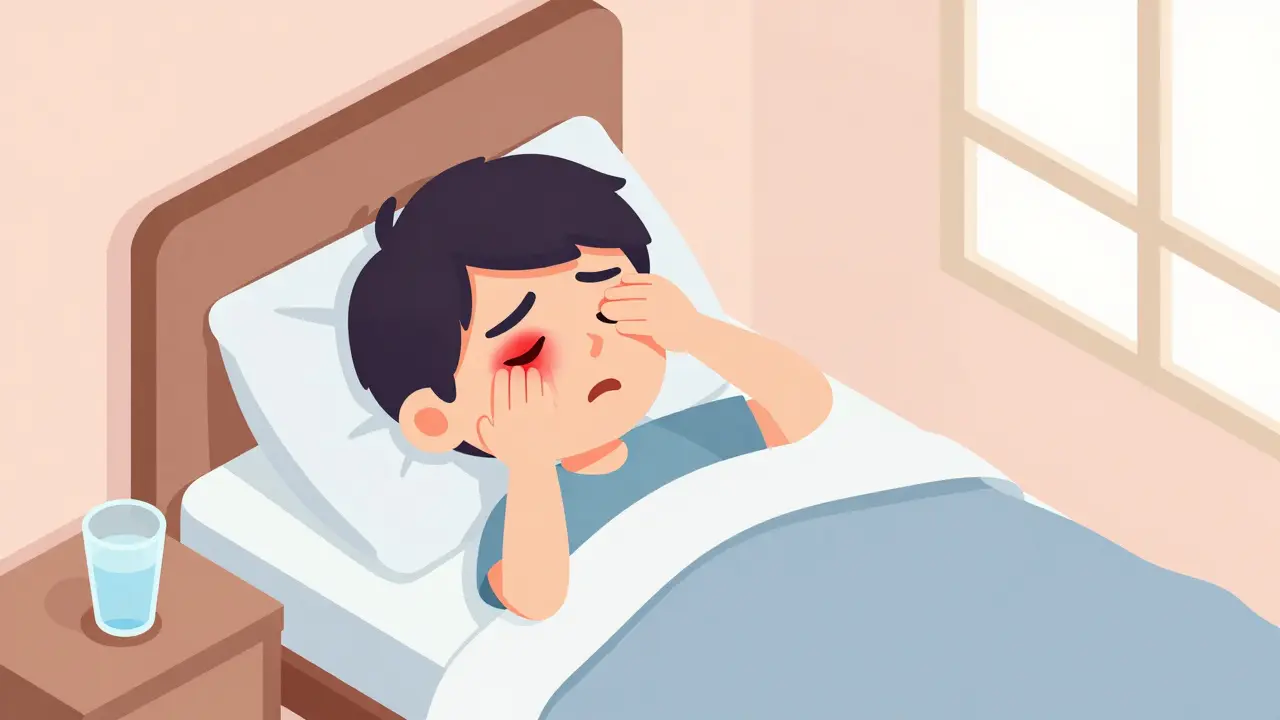
Corneal Ulcers: Warning Signs, Contact Lens Risks, and Emergency Care
Learn the critical difference between corneal ulcers and abrasions, why contact lenses increase risk by 100x, and the urgent steps needed to save your sight.
-
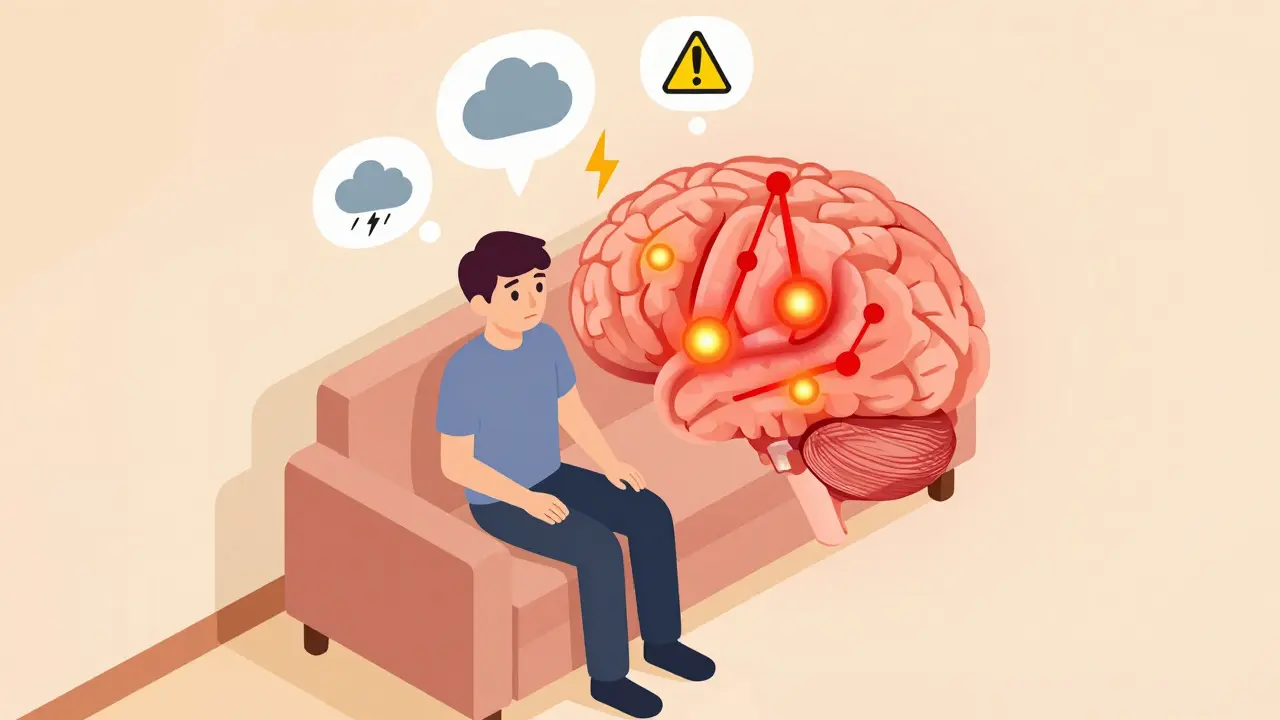
PTSD Treatment Guide: Trauma Processing, Medication Options, and Recovery Pathways
A comprehensive guide to treating Post-Traumatic Stress Disorder using medication and trauma processing therapy, including drug options, efficacy rates, and treatment pathways.
-
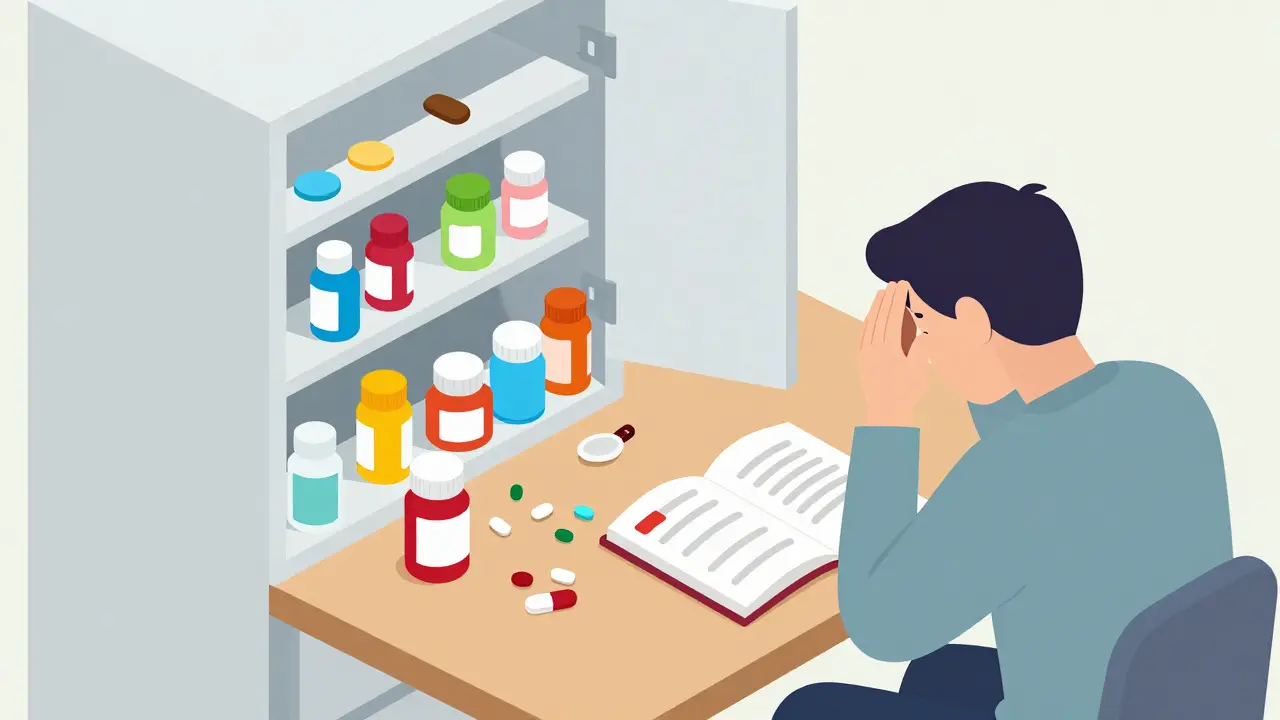
How Pharmacists Help You Take Medications Correctly
Discover how pharmacists actively help patients manage chronic conditions through medication adherence programs. Learn about proven strategies, cost benefits, and future trends in pharmacy care.
-
Prediabetes Reversal Guide: Lifestyle Strategies to Stop Type 2 Diabetes
Discover actionable steps to reverse prediabetes through proven lifestyle changes. Learn about diet, exercise, and medical insights to stop type 2 diabetes progression.
-
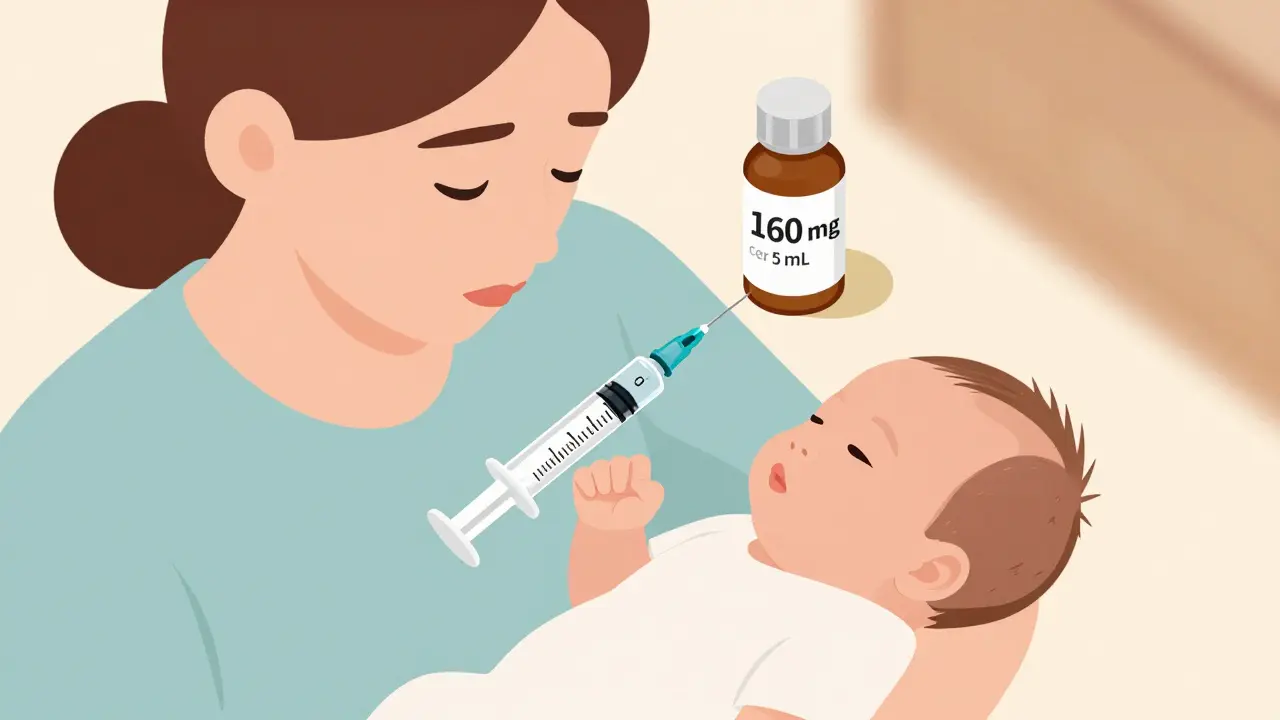
Infant Medication Safety: Drops, Concentrations, and Dosage
Infant medication safety depends on precise dosing, correct concentration, and proper measuring tools. Learn how to avoid deadly mistakes with acetaminophen, ibuprofen, and other liquid medicines for babies under 1 year.
-

Medications Safe While Breastfeeding: Evidence-Based Choices
Most medications are safe while breastfeeding. Learn which drugs are evidence-based choices for pain, infections, depression, allergies, and more-without stopping nursing.
-
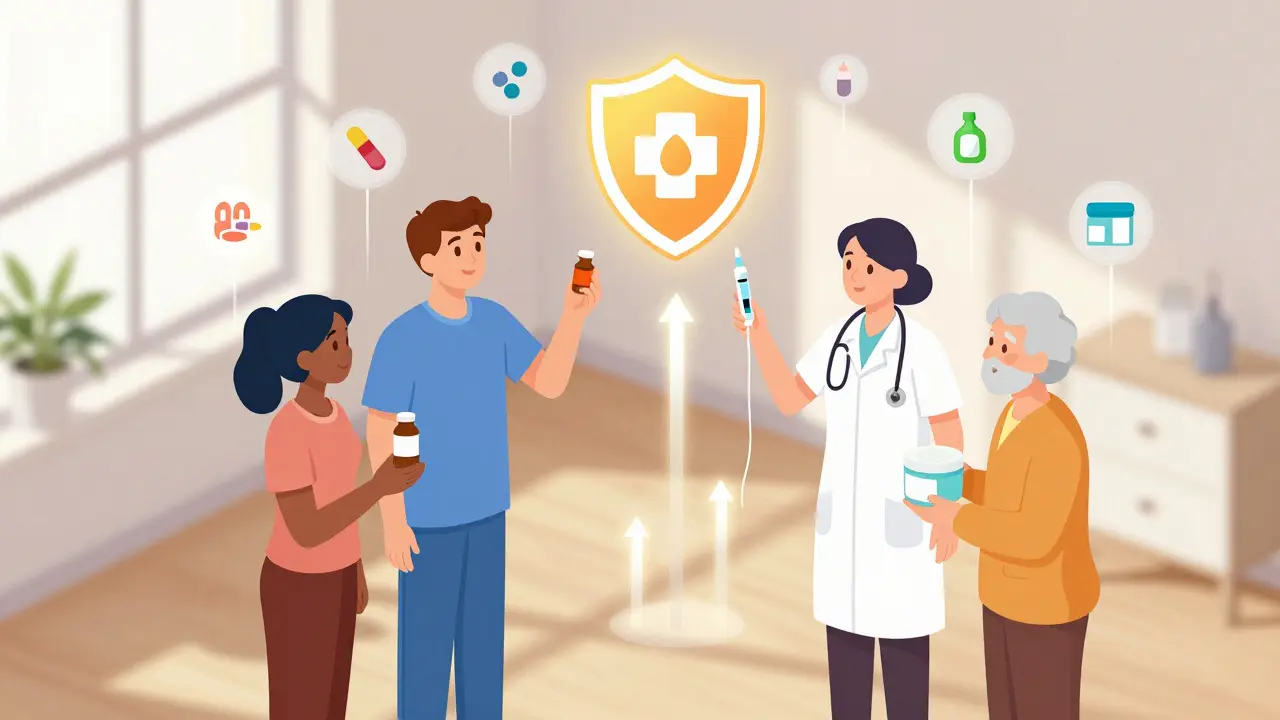
FDA MedWatch: How to Report Side Effects and Adverse Drug Reactions
Learn how to report side effects and adverse reactions to the FDA using MedWatch. Whether you're a patient or provider, your report helps improve drug and device safety. Simple steps, real impact.
-
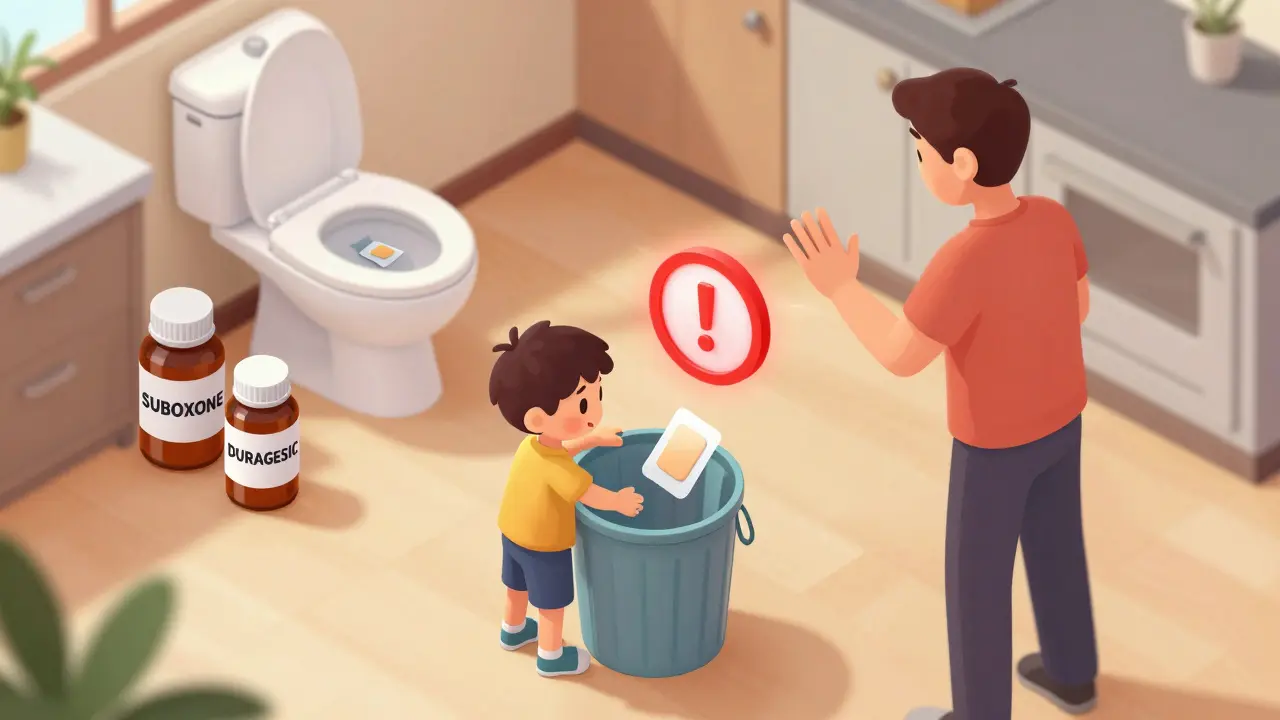
Medications Never to Put in Household Trash: A Safety List
Some medications are so dangerous they must be flushed down the toilet-not thrown in the trash. Learn which drugs are on the FDA's safety list and how to dispose of them properly to protect children and prevent overdoses.
-
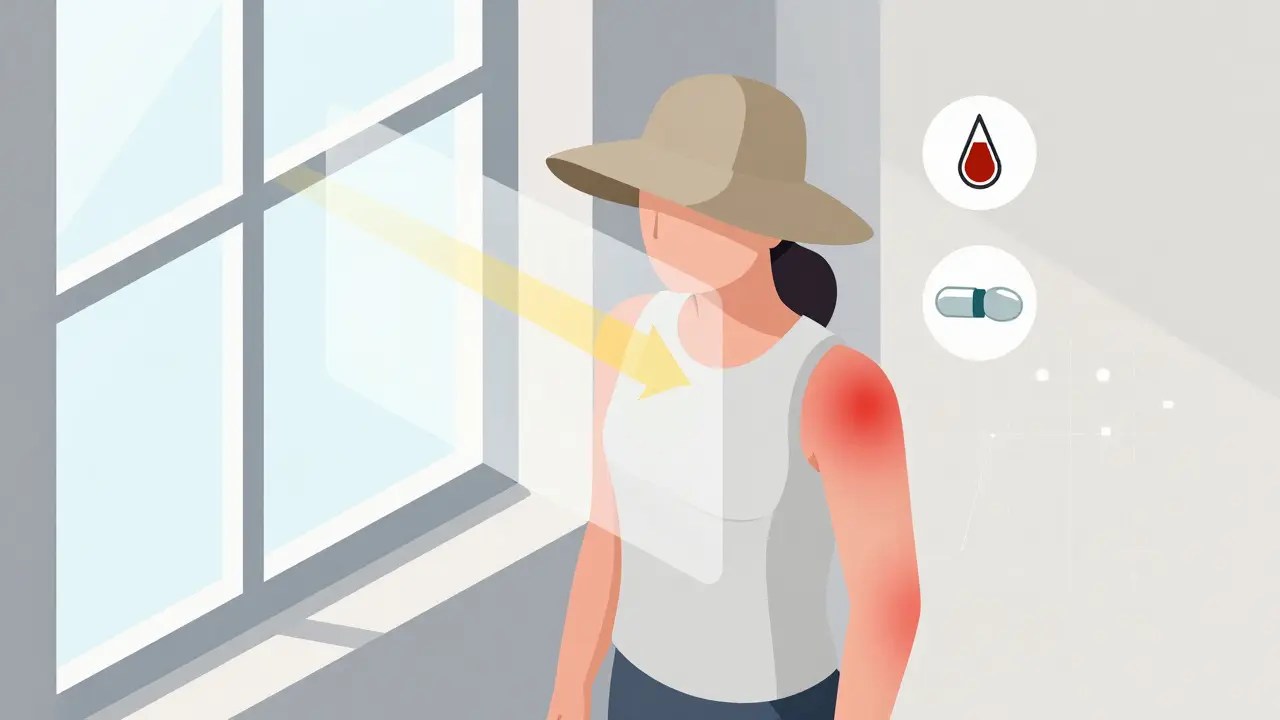
Photosensitivity from Medications: Sun Safety and Skin Protection Guide
Many common medications make your skin dangerously sensitive to sunlight. Learn which drugs cause photosensitivity, how to protect yourself with real sun safety strategies, and why regular sunscreen often isn't enough.
-
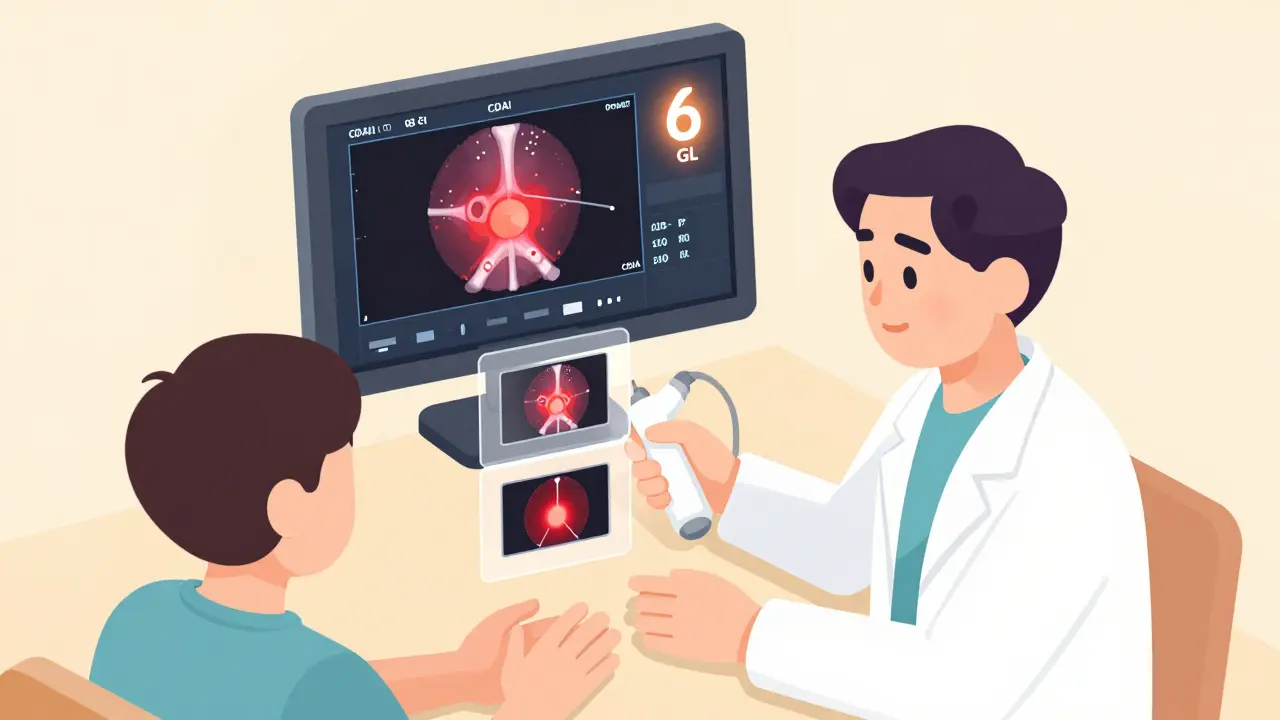
Rheumatoid Arthritis Monitoring: CDAI, DAS28, and Imaging Explained
CDAI, DAS28, and imaging are key tools for tracking rheumatoid arthritis. Learn how each works, when to use them, and what they reveal about your joint health beyond just pain levels.
-
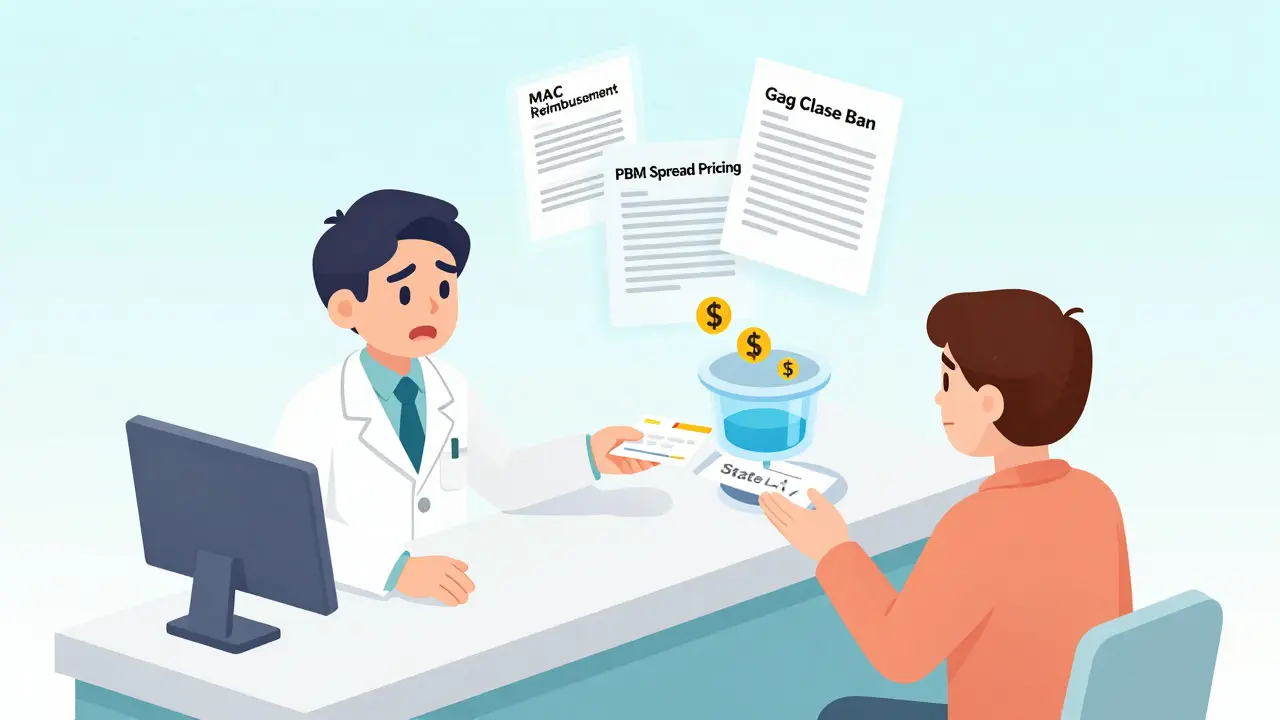
Pharmacy Reimbursement Models: How Laws Shape Generic Drug Payments
Pharmacy reimbursement models for generic drugs are shaped by federal laws, PBM practices, and state regulations. Learn how MAC pricing, Medicare Part D formularies, and spread pricing affect your out-of-pocket costs-and what’s changing in 2025.
-
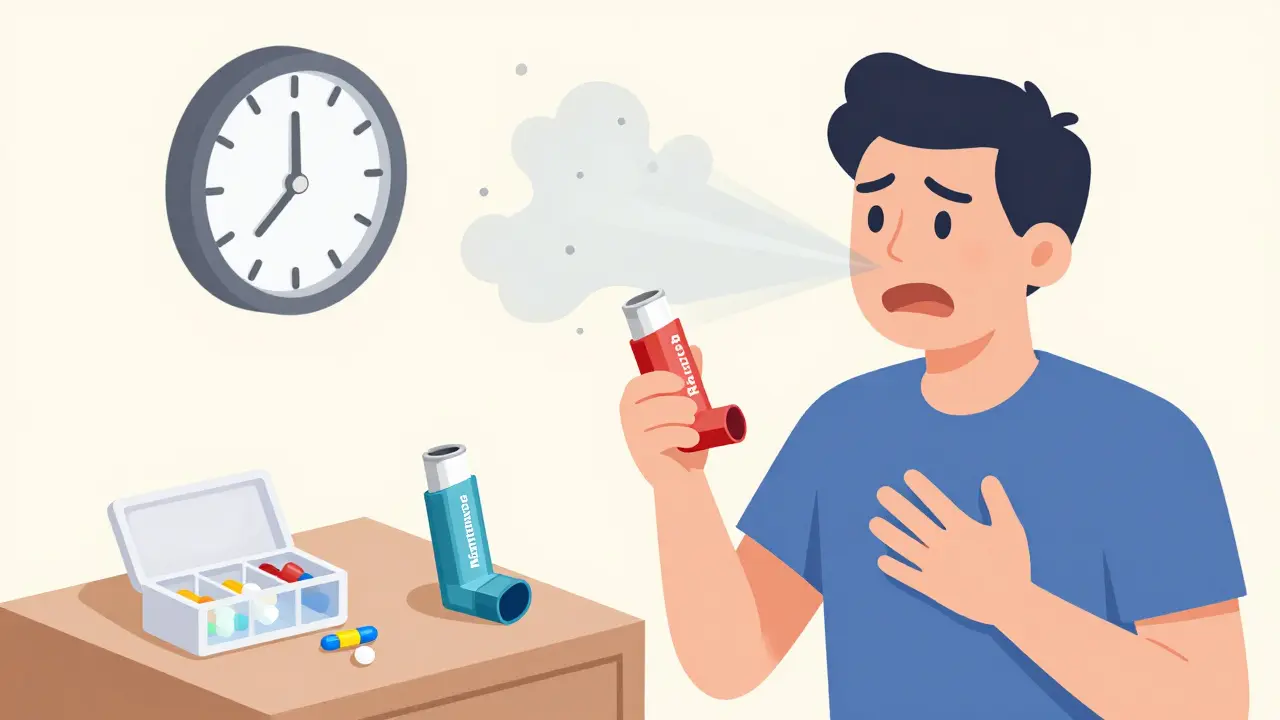
Inhalers Explained: Rescue Inhalers vs. Maintenance Inhalers
Rescue inhalers give instant relief during asthma attacks, while maintenance inhalers prevent symptoms over time. Knowing the difference can save your life. Learn how each works, why mixing them up is dangerous, and what modern guidelines now recommend.