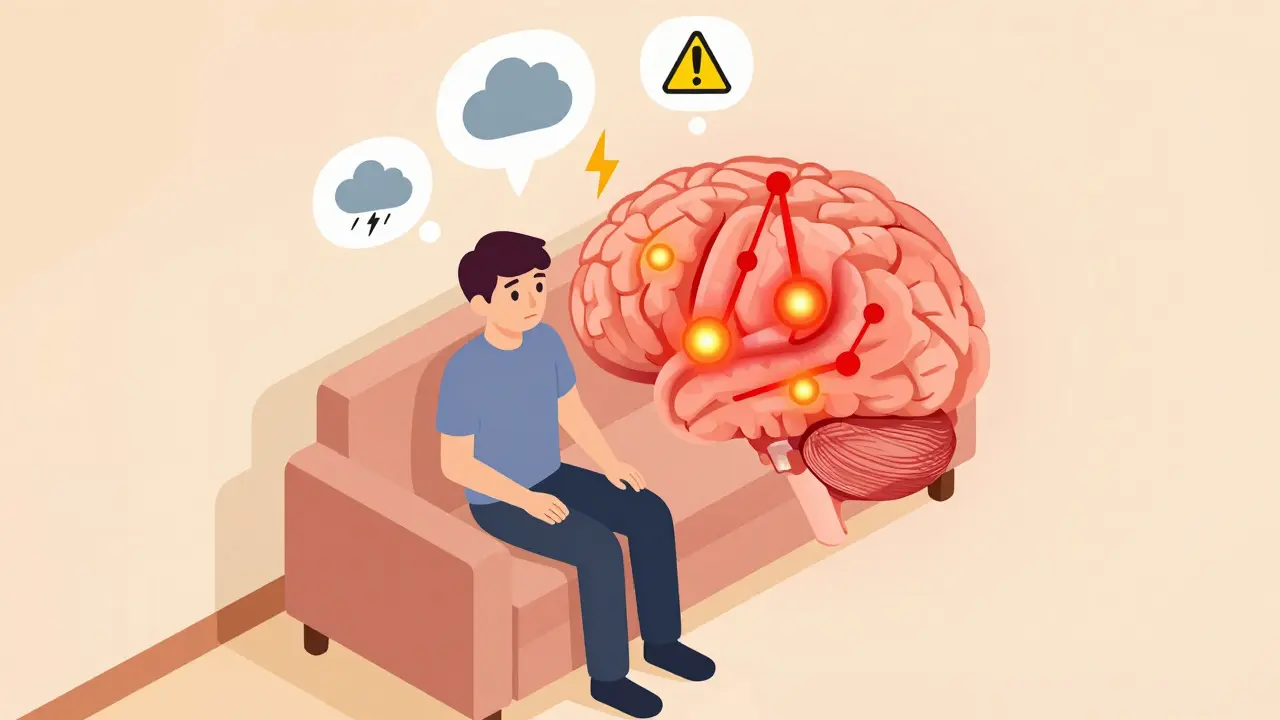
Imagine your alarm system gets stuck in the on position. Even when you’re safe on your sofa, your body screams danger. That is the daily reality for millions living with Post-Traumatic Stress Disorder, commonly known as a psychiatric condition triggered by exposure to traumatic events characterized by intrusion, avoidance, negative mood changes, and hyperarousal. PTSD. It affects roughly 3.6% of adults annually, yet many remain silent because standard treatments don’t always work as expected.
Quick Summary: What You Need to Know
- First-line treatment: Trauma-focused psychotherapy (like CPT or PE) is generally preferred over medication alone.
- Medication role: Selective Serotonin Reuptake Inhibitors (SSRIs) like sertraline are effective for symptom management but rarely resolve trauma on their own.
- Symptom targets: Medications are best for reducing nightmares, anxiety, and panic; therapy processes the underlying memory.
- Response rates: Only 20-30% of patients achieve complete remission on medication alone; combined approaches show higher success.
- Timeframe: Medication works faster (4-6 weeks) but therapy offers longer-lasting protection against relapse.
What Exactly Is PTSD?
To treat the problem, you need to define it clearly. Post-Traumatic Stress Disorder was formally recognized in 1980. It isn’t just “being sad” after a bad event. Your diagnostic criteria in the DSM-5-TR require symptoms lasting more than one month with significant functional impairment. You might experience flashbacks where the past feels present, or you avoid places that remind you of the event. This creates a cycle where you stay safe physically but remain trapped mentally.
The National Comorbidity Survey Replication found that 6.8% of U.S. adults will experience this during their lifetime. While numbers vary by region, the core experience remains consistent globally. In the UK, NICE Guidelines emphasize that psychological interventions should be the initial treatment, reserving medication for cases where therapy is declined or ineffective. This distinction is vital because simply suppressing symptoms doesn’t address the root cause.
How Medication Helps Regulate the Brain
When you walk into a psychiatrist’s office, Medication for PTSD often comes up immediately. Most doctors start here because it is accessible. However, the goal isn’t just chemical balance; it’s creating enough stability to engage in deeper healing. Currently, only two medications are FDA-approved specifically for this condition: sertraline and paroxetine. These belong to the SSRI class.
- Sertraline (Zoloft): Doses range from 50mg to 200mg daily. Studies show a 53% response rate in reducing symptoms.
- Paroxetine (Paxil): Typically prescribed between 20mg and 50mg. It shows a 60% reduction in responder rates compared to placebo.
Why do these work? They increase serotonin levels in the brain, which helps regulate mood and anxiety. But they have limits. Research from the 2022 Cochrane review indicates moderate efficacy with a risk ratio of 0.66 for improvement versus placebo. Many users stop taking them due to side effects like nausea or sexual dysfunction. If SSRIs don’t work, clinicians might try venlafaxine, an SNRI, which shows comparable efficacy despite lacking specific approval.
| Drug Class | Generic Name | Typical Dosage | Efficacy Rate | Common Side Effects |
|---|---|---|---|---|
| SSRI | Sertraline | 50-200 mg/day | 53% | Nausea, insomnia, sexual dysfunction |
| SSRI | Paroxetine | 20-50 mg/day | 60% | Weight gain, sedation, withdrawal difficulty |
| SNRI | Venlafaxine | 75-300 mg/day | 50-60% | Blood pressure elevation, sweating |
| Alpha-1 Blocker | Prazosin | 1-15 mg at night | 50% nightmare reduction | Dizziness, low blood pressure |
A specialized option involves alpha-1 blockers like prazosin. Unlike antidepressants that affect mood throughout the day, prazosin specifically targets trauma-related nightmares. Department of Veterans Affairs studies show combat veterans experiencing a 50% drop in nightmare frequency within four weeks. For those who cannot sleep due to fear, this is a game-changer.
Trauma Processing Through Psychotherapy
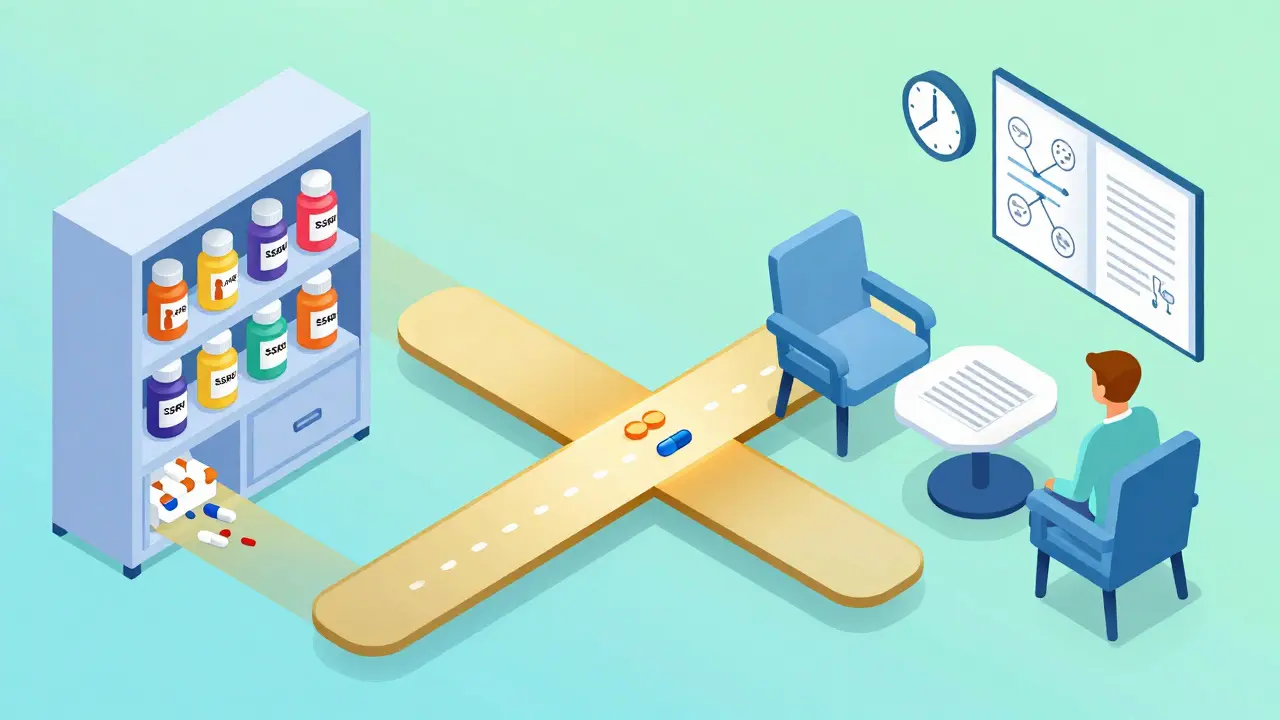
If medication manages the storm, psychotherapy helps you build shelter. This is why the VA/DoD Clinical Practice Guideline recommends starting with Trauma-Focused Psychotherapy. Two major evidence-based methods dominate the field.
- Cognitive Processing Therapy (CPT): This approach helps you challenge the unhelpful thoughts stemming from the trauma. It focuses on changing how you view yourself and the world after the event. Remission rates reach 60-70%, outperforming medication alone.
- Prolonged Exposure (PE): This involves gradually facing trauma reminders in a safe setting. The logic is simple: avoidance keeps fear alive. By confronting it, the fear signal weakens over time.
Dr. Matthew Friedman, former director of the National Center for PTSD, notes that medications treat symptoms but don’t process the trauma itself. You might still feel anxious, but CPT gives you tools to understand why. However, this takes time. Expect 8 to 12 weeks before seeing full effects. For people in crisis, this timeline can feel too slow, which is why combination treatments often get recommended.
Choosing Between Meds, Therapy, or Both
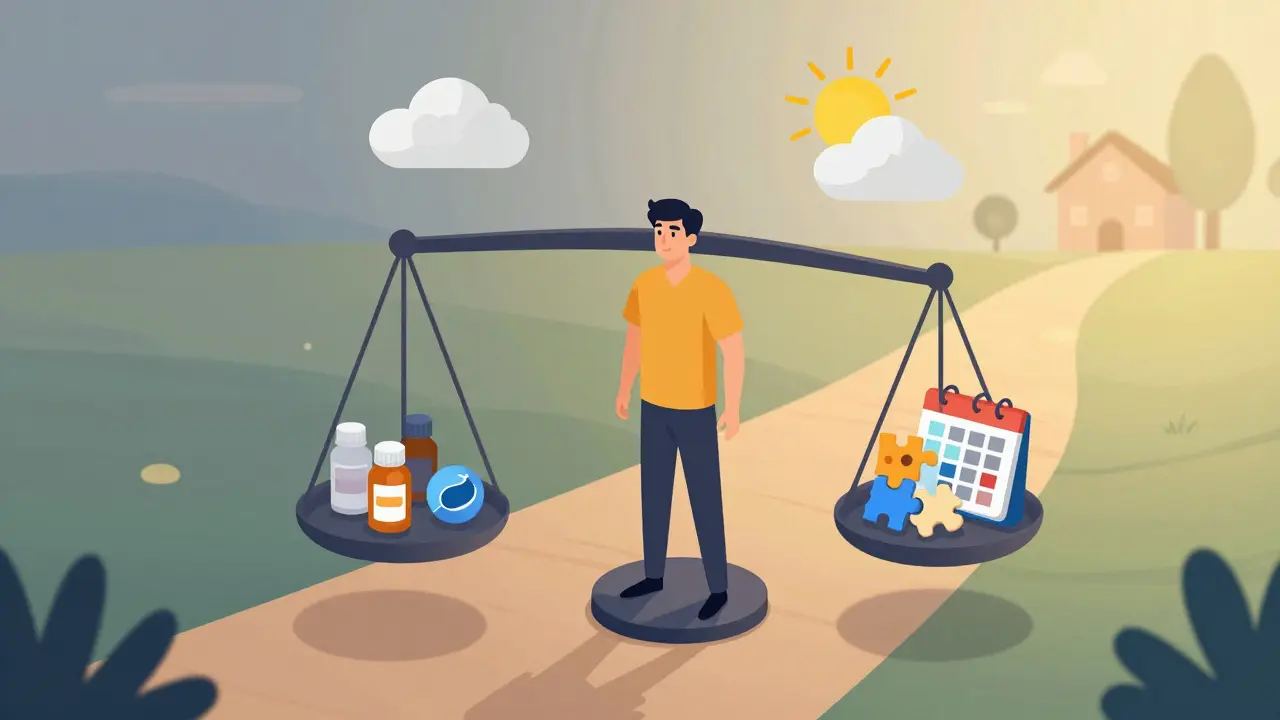
Your choice depends on severity and personal preference. Some patients report that SSRIs blunt the emotion needed for therapy. Conversely, severe hyperarousal might make sitting through 8 sessions of exposure impossible without medication support. The optimal path often involves stepping-care models used by 92% of VA medical centers.
A common strategy is to start therapy first. If progress stalls after 8-12 sessions, add medication. Or, begin both simultaneously if symptoms severely impact daily function. Combined treatment shows a 72% response rate compared to 58% for either method alone, according to JAMA Psychiatry data. Cost-wise, generic SSRIs are cheap ($4-$10 monthly), whereas psychotherapy sessions cost significantly more. Yet, therapy provides lasting skills, whereas stopping medication often leads to relapse.
Practical Implementation and Safety
Starting treatment requires patience. Doses usually start low (25mg) and increase weekly to minimize side effects. Do not rush the dosage; nausea and insomnia often subside within the first few weeks. Be aware of the black box warning regarding suicidality in patients under 25 during early treatment phases. Always keep open communication with your prescriber.
Monitoring adherence is crucial. About 31% of patients discontinue SSRIs due to side effects like emotional blunting or sexual dysfunction. If you feel numb or disconnected, tell your doctor. Adjustments or switching classes (like trying mirtazapine) can help maintain progress without sacrificing quality of life. Remember, recovery isn’t linear.
Frequently Asked Questions
Can medication cure PTSD completely?
Medication alone rarely provides a complete cure. Only about 20-30% of patients achieve full remission with drugs. It is best viewed as a bridge to enable deeper healing through therapy.
How long does it take for SSRIs to work?
You typically need to take SSRIs for 4-6 weeks at therapeutic doses before noticing significant symptom reduction. Doctors often recommend waiting 8-12 weeks before judging effectiveness.
Is cognitive behavioral therapy the same as trauma processing?
Not exactly. Standard CBT addresses general anxiety patterns. Trauma processing therapies like CPT and PE specifically target the traumatic memory and its associated beliefs.
Will I need to take medication forever?
Ideally, you taper off once stable. Relapse rates within 12 months of discontinuation are around 55%. Clinicians usually recommend staying on medication for at least 12 months after symptom remission.
Are there alternatives to traditional antidepressants?
Yes. Options include Prazosin for nightmares, Mirtazapine for sleep/mood, and emerging therapies like MDMA-assisted psychotherapy currently undergoing advanced trials.
Facing trauma is hard enough without fighting a broken nervous system. With the right combination of processing and stabilization, moving past the past is possible.


