The Hidden Cost of Missing Your Meds
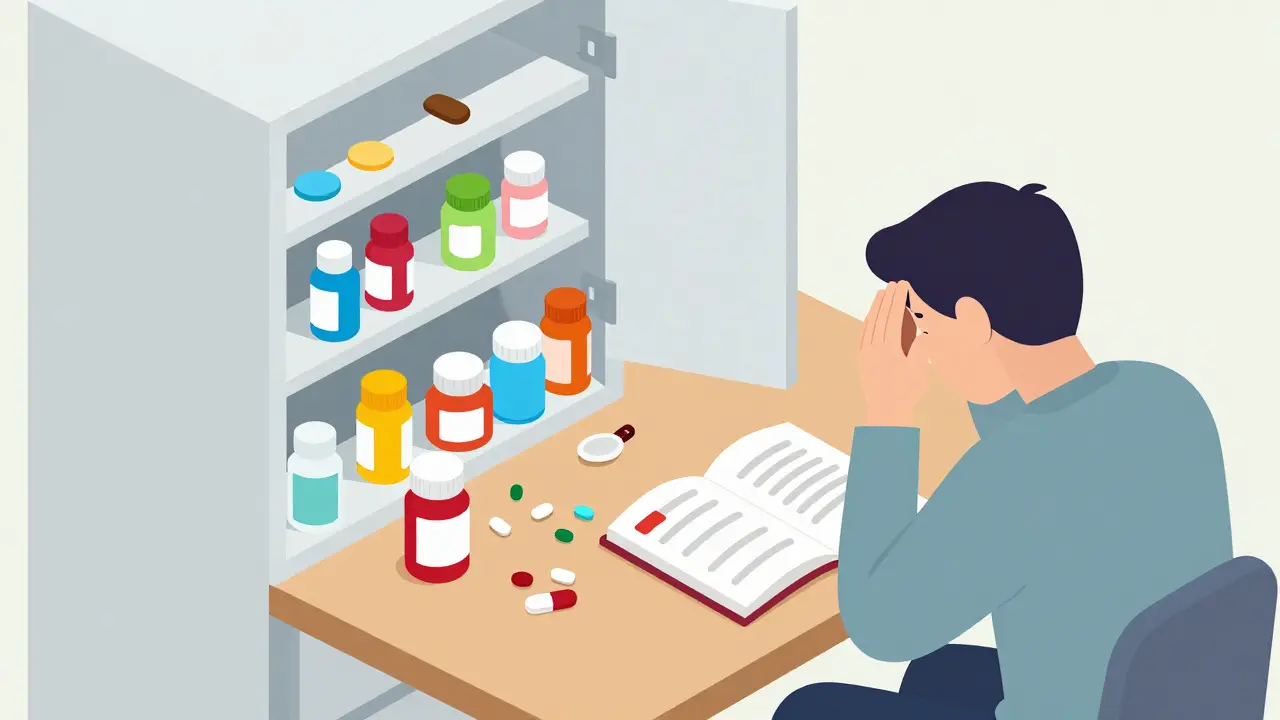
Think about the last time you took a pill just because a doctor said so. Did you really understand why? Many people don’t. This lack of understanding leads to a massive problem called non-adherence. When patients do not take their medications as prescribed, the U.S. healthcare system pays the price. In fact, missed doses cost billions of dollars every single year.
Medication Adherence is simply taking your medicine exactly how it was written on the prescription label. If you skip doses, stop early, or change the dose without asking, you aren’t adherent. About half of all patients with chronic diseases fall into this category. That’s 50% of people who are supposed to be managing conditions like diabetes or high blood pressure but aren’t actually doing it correctly.
Why does this happen? It’s rarely just forgetfulness. People often struggle with the cost of the drug. Sometimes the schedule feels impossible to keep up with a busy life. Other times, side effects are uncomfortable, and patients decide to stop taking the drug on their own. Without support, these barriers pile up until the treatment fails entirely.
| Metric | Statistic |
|---|---|
| Annual Cost to U.S. System | $300 Billion |
| Patient Non-Adherence Rate | ~50% of Chronic Conditions |
| Pharmacist Intervention ROI | $7.43 Saved per $1 Invested |
This is where the story changes. We often view pharmacists as just “pill counters” waiting behind a glass counter. But that view is outdated. Modern pharmacy practice involves active care. Let’s look at what Pharmacist-Led Interventions actually look like in practice.
What Is a Pharmacist-Led Adherence Intervention?
A formal term like “intervention” sounds scary, but here it means a structured plan to help you. These programs have existed since the late 20th century, gaining real traction in the early 2000s when healthcare leaders realized standard prescribing wasn’t enough. By 2026, these programs are a normal part of many medical systems.
You can find these services in various places. About 78% of Veterans Affairs Medical Centers use them. They are also common in hospital systems and community chains. When you hear about a “medication review,” that is often one part of this bigger picture. A pharmacist doesn’t just check if the bottle is full; they talk to you about your life, your budget, and your health goals.
These structured healthcare services involve pharmacists implementing evidence-based strategies to help patients take medications as prescribed.
Consider a patient named “John.” John has high blood pressure. His doctor prescribes a pill. John takes it for two weeks, feels dizzy, and stops. He goes back to his doctor months later with a reading of 160/90. The doctor blames the condition, but the pharmacist sees the gap in refills. The pharmacist notices the pattern. With an intervention program, the pharmacist calls John immediately.
This call isn’t a reprimand. The pharmacist asks: “Is the dizziness happening right after you take it?” John says yes. The pharmacist then talks to the doctor, and they switch him to a different medication. Because the pharmacist bridged that gap, John stays healthy and avoids a stroke. That connection is the core value of these services.
Proven Methods That Improve Results
How do pharmacists actually make a difference? It isn’t magic; it is method. Research shows specific actions lead to better outcomes. One study covering over 300,000 patients found that specific support increased adherence rates significantly. Let’s break down the tools used:
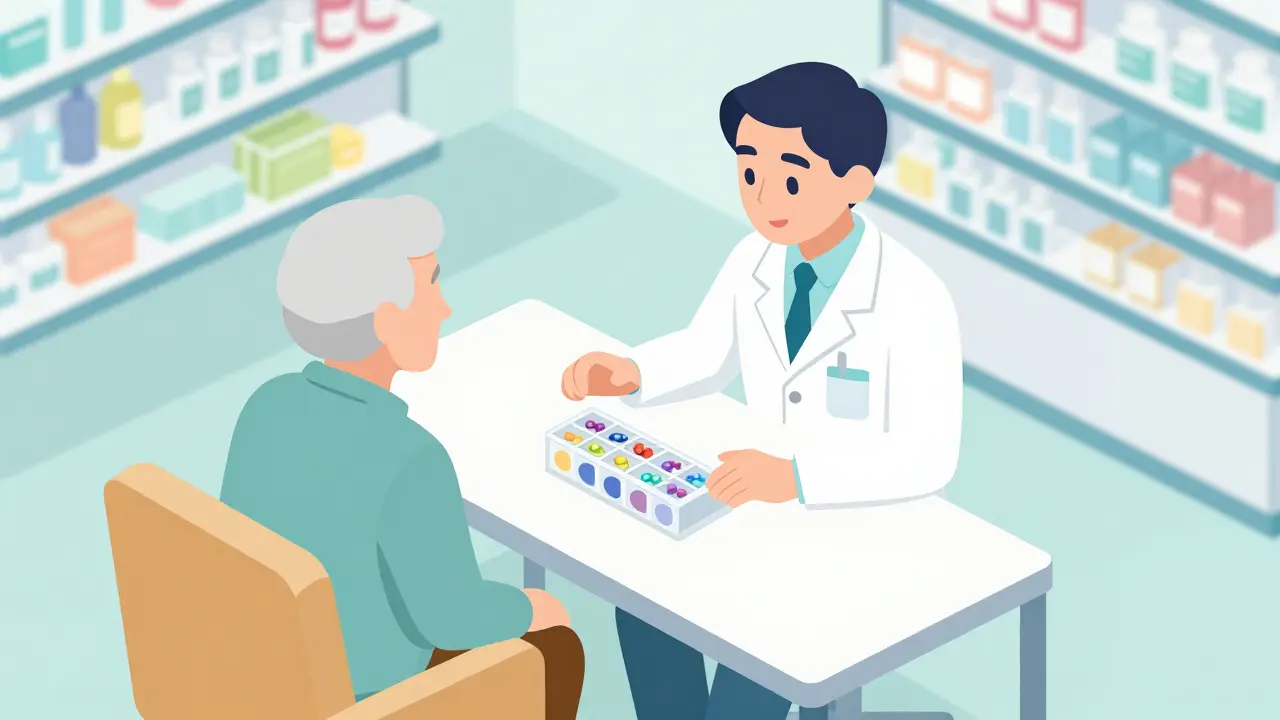
- Counseling Sessions: Pharmacists sit down for 15 to 20 minutes to explain the "why" behind the drug. This addresses health literacy issues.
- Synchronization: Imagine getting four bottles on the same day every month instead of four separate trips to the pharmacy. Scheduling makes refills easier.
- Reminder Calls: Simple automated or live calls before a refill runs out. This tackles forgetfulness.
- Cost Assistance: Helping patients find coupons or insurance changes so money isn’t the reason they skip a dose.
- Depression Screening: Mental health affects physical health. Using tools like PHQ-2 helps identify if sadness is causing missed meds.
The numbers back this up. For hypertension alone, having a pharmacist involved meant a 30-45% higher likelihood of controlling blood pressure. A 2024 analysis showed significant savings. Every $1 spent on these pharmacist activities generated about $7.43 in avoided healthcare costs. That’s a huge return for the patient and the system.
The Gap Between Clinic and Home
Hospitals do great work while you are there. But discharge is dangerous. Leaving the hospital is a top time for errors. Studies suggest that within 7 to 10 days of leaving the hospital, patients need reconciliation. This means checking that the pills they were sent home with match what they were taking at home.
If you miss this check, you might take too much of one drug and none of another. Pharmacists play a crucial role here. In Veterans Affairs hospitals, adherence rates for high-risk cardiac patients were nearly 90% when pharmacists managed the care, compared to about 74% in usual care settings. That difference prevents readmissions. When patients get readmitted, it hurts recovery and strains emergency rooms.
Collaborative practice agreements allow pharmacists to prescribe or adjust certain treatments directly without waiting for a doctor’s approval. This is standard for things like adjusting insulin or anticoagulants. This speed matters. Waiting weeks for a doctor’s appointment to fix a dosing issue leaves patients vulnerable.
Real-Life Experiences and Feedback
Does everyone love these services? Mostly, yes. A patient named Sarah in a 2023 review mentioned how her pharmacist noticed she wasn’t refilling her blood pressure meds. The copay was $50, which she couldn’t afford. The pharmacist got her onto a patient assistance program. Her blood pressure has been controlled for eight months since then. That kind of practical problem-solving is rare in other parts of medicine.
There are challenges. Some patients feel monitored rather than supported. Tracking devices (like MEMS caps on bottles) can make some people feel guilty. About 12% of patients in older studies reported feeling this way. It is important that the focus remains on partnership, not policing.
Also, access varies. While VA centers have 100% implementation, not every neighborhood pharmacy offers deep counseling. Insurance plans differ, too. As of 2026, Medicare Part D plans include these services widely, but private insurance coverage for the actual counseling session still varies by region.
Barriers You Might Face
If you want to use these services, you should know the hurdles. The biggest one is time. Busy lives mean 20-minute calls sometimes don’t fit. Another barrier is documentation. Pharmacists spend a lot of time writing notes so they get paid. Some pharmacies haven’t fixed this yet, meaning they offer free advice that isn’t always reimbursable.
Complexity plays a role too. If you have severe cognitive impairment, the success rate drops. Studies show adherence improves only 4.2% in these cases versus 12.7% in cognitively intact patients. This means caregivers need to be heavily involved. Standard advice doesn’t always reach those who need it most.
Funding is also shifting. We are moving toward “outcome-based payments.” Instead of paying the pharmacist just to give advice, payers (like insurers) will pay based on whether the patient gets healthier. More than 17 Medicare Advantage plans have started piloting this model recently. This ensures the quality of care improves rather than just the number of hours worked.
Future Trends for Medication Support
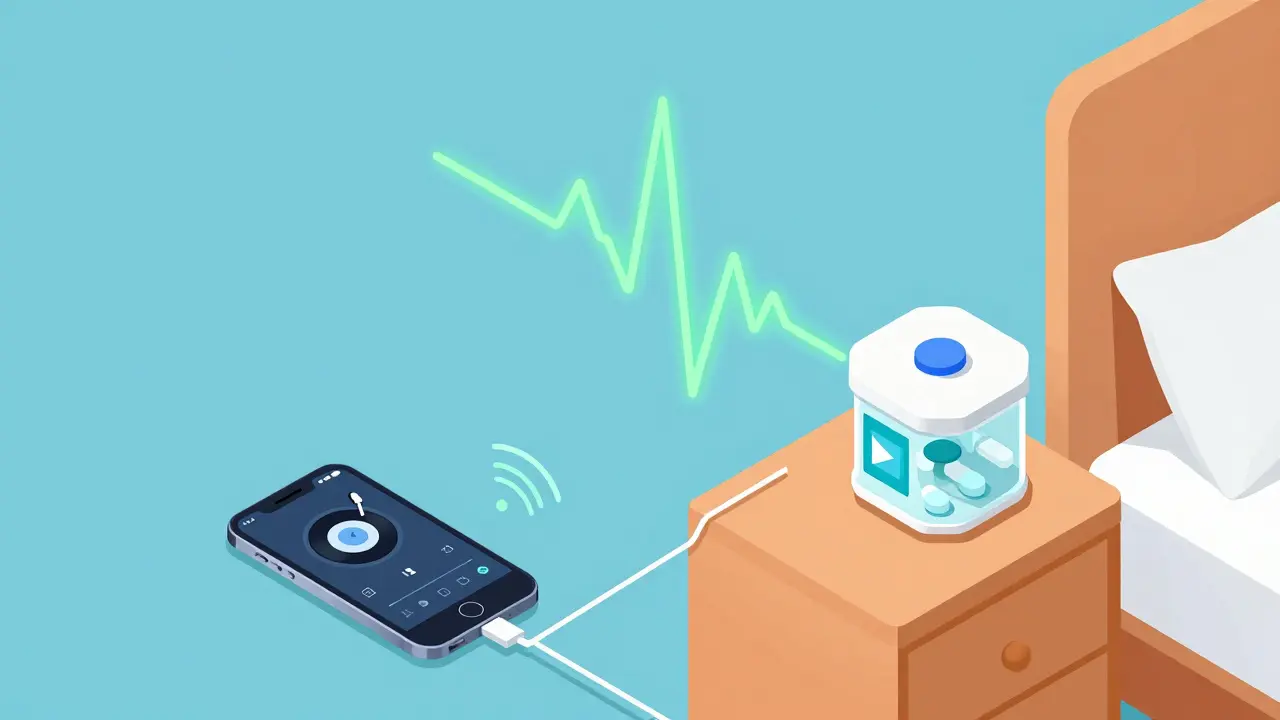
We are entering a blended era. Digital apps alone aren’t enough, but neither is just talking. Combining both works best. About 67% of adherence programs now use app-based reminders alongside human contact. This tech handles the boring stuff (reminders), freeing the pharmacist to handle complex questions.
By 2030, widespread adoption could prevent thousands of deaths. The CDC projects preventing 23,000 premature deaths annually from heart disease alone through these interventions. That’s not just a statistic; it’s neighbors, friends, and family members staying alive longer.
Can my local pharmacist help me even if I don’t have a big plan?
Yes. Even smaller pharmacies often provide basic adherence counseling. Ask specifically for a medication sync or review. While insurance reimbursement might vary, the service itself is available to improve safety.
How much does a medication review cost?
Many are covered under Medicare Part D or private PDP plans. If not, some offer it as a paid MTM service, typically between $50 to $100, depending on the complexity of your medication list.
What is Medication Therapy Management (MTM)?
MTM is a formalized service where a pharmacist looks at all your drugs-prescription and over-the-counter-to ensure they work well together and aren’t causing harm. It is the official billing code for these comprehensive reviews.
Will my primary care doctor know if I speak to the pharmacist?
They should. In integrated systems, the pharmacist updates your electronic health record. Even in independent settings, they will usually send a report to your doctor so everyone is aligned on your treatment plan.
Are there digital tools I can use on my phone?
Many pharmacies now offer free apps that link to your profile for refill reminders. However, research shows these work 22% better when combined with personal calls from a pharmacist.


