Welcome to Six Degree Health – Your Trusted Source for Medicine and Wellness
Looking for straight‑forward info on a prescription, a health condition, or a supplement? You’re in the right place. Our articles break down complex topics into plain English so you can act with confidence.
What We Offer
We cover everything from how a drug works to what side effects to expect. Each guide includes dosage basics, red‑flag warnings and easy checklists. Want to compare two medications? We’ve got side‑by‑side tables that show the key differences without the jargon.
How to Use Our Tools
Start by typing the name of a medication or supplement in our search box. The result page will show a quick fact sheet, an interaction checker and links to deeper articles. You can also browse our disease library for symptom guides and lifestyle tips. All content is backed by recent scientific research, so you know it’s trustworthy.
Use Six Degree Health to stay informed, avoid risky purchases and make smarter health choices every day.
-
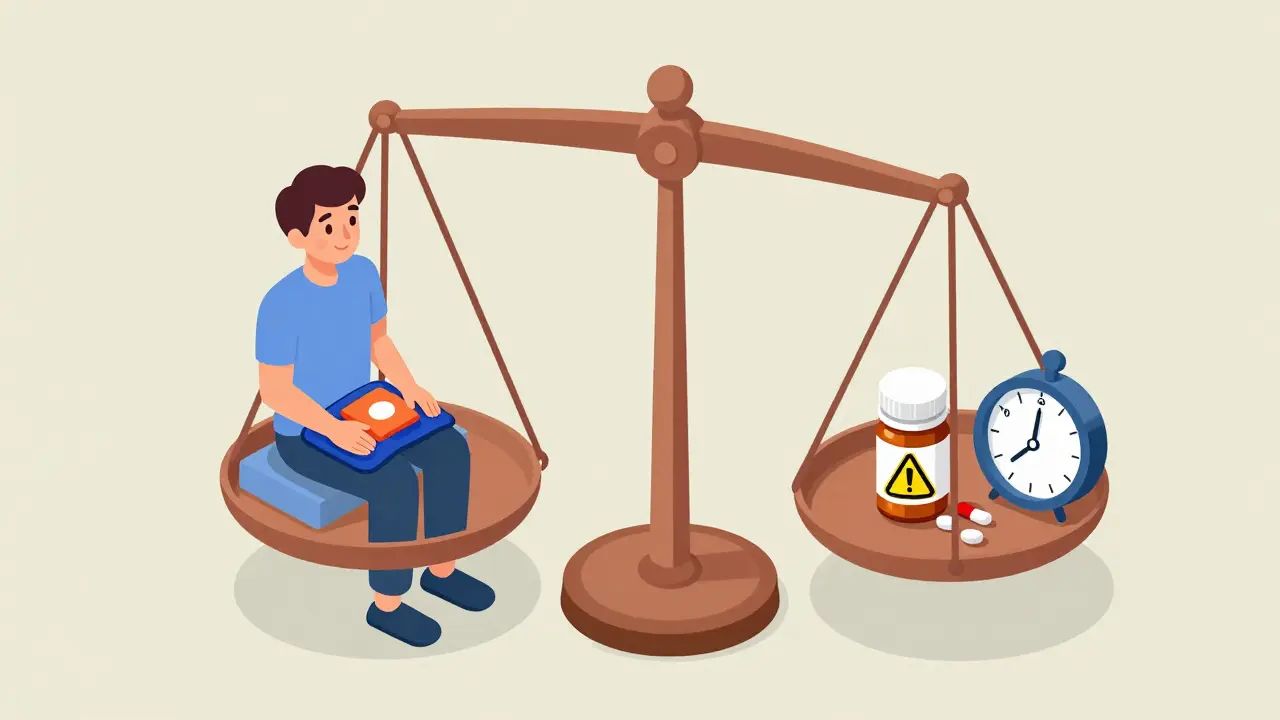
Opioid Therapy: When It’s Appropriate and How to Manage Dependence Risks
Opioid therapy can help with severe pain, but it carries serious risks of dependence and overdose. Learn when it’s appropriate, how to spot danger signs, and what safer alternatives exist.
-
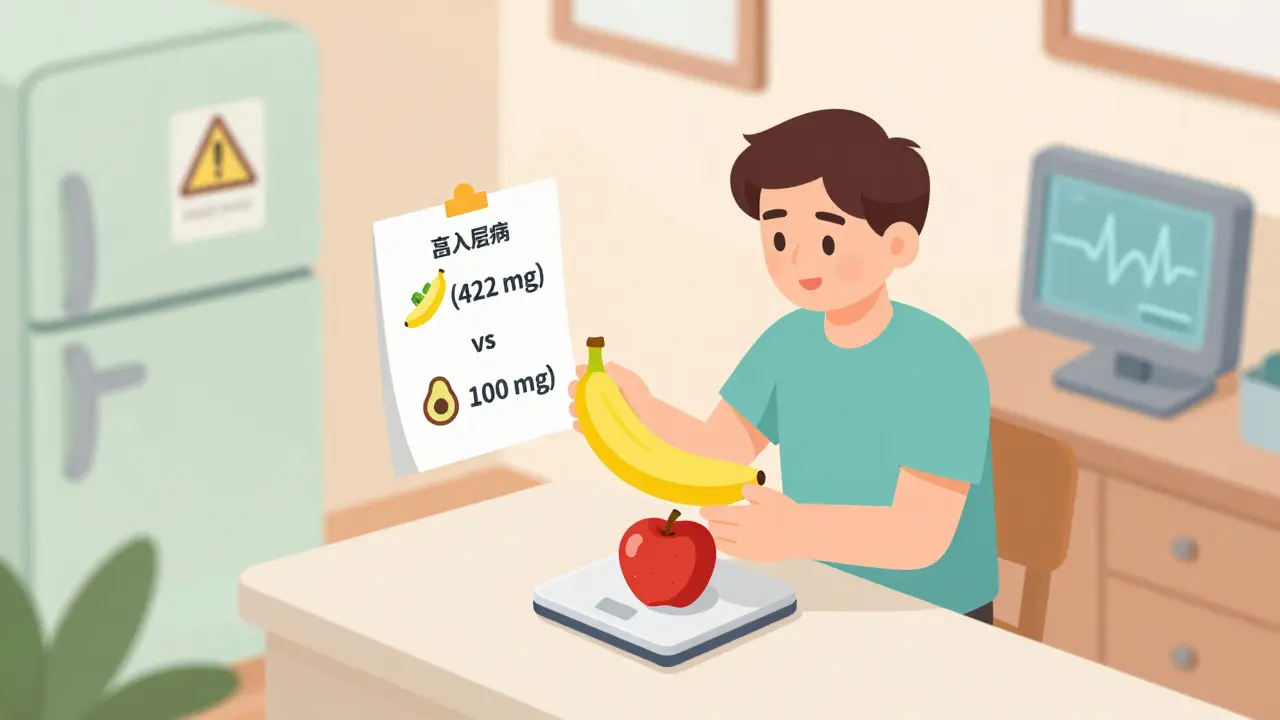
Hyperkalemia in CKD: Diet Limits and Emergency Treatment
Hyperkalemia in CKD is a dangerous but manageable condition. Learn safe potassium limits, emergency treatments, and how modern binders let you keep life-saving heart meds without risking your health.
-
When to Avoid a Medication Family After a Severe Drug Reaction
Not all severe drug reactions mean avoiding an entire medication family. Learn when true allergies require avoidance and when other drugs in the class are still safe, based on reaction type, cross-reactivity, and new diagnostic tools.
-
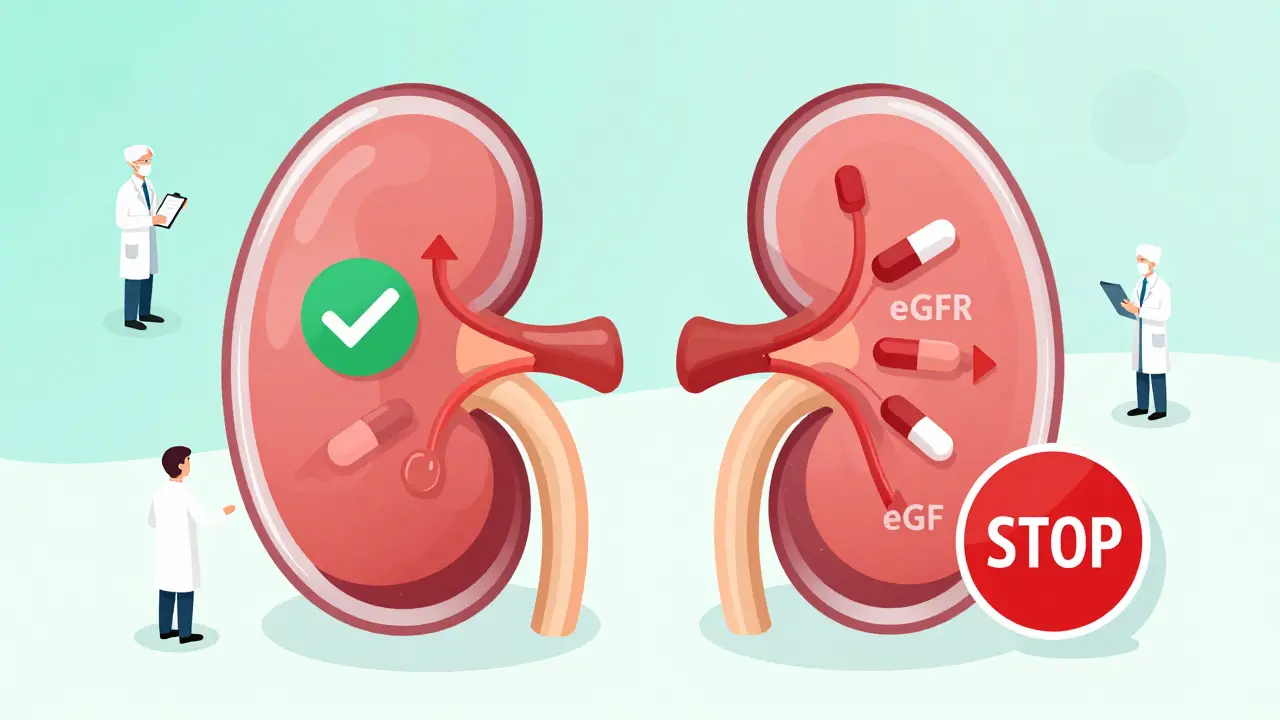
Anticoagulation in Kidney and Liver Disease: What Doctors Really Do
Managing blood thinners in kidney and liver disease is complex. Apixaban is often the safest DOAC option, but warfarin still has a role. Bleeding risk must be weighed against stroke prevention in real-world patients.
-
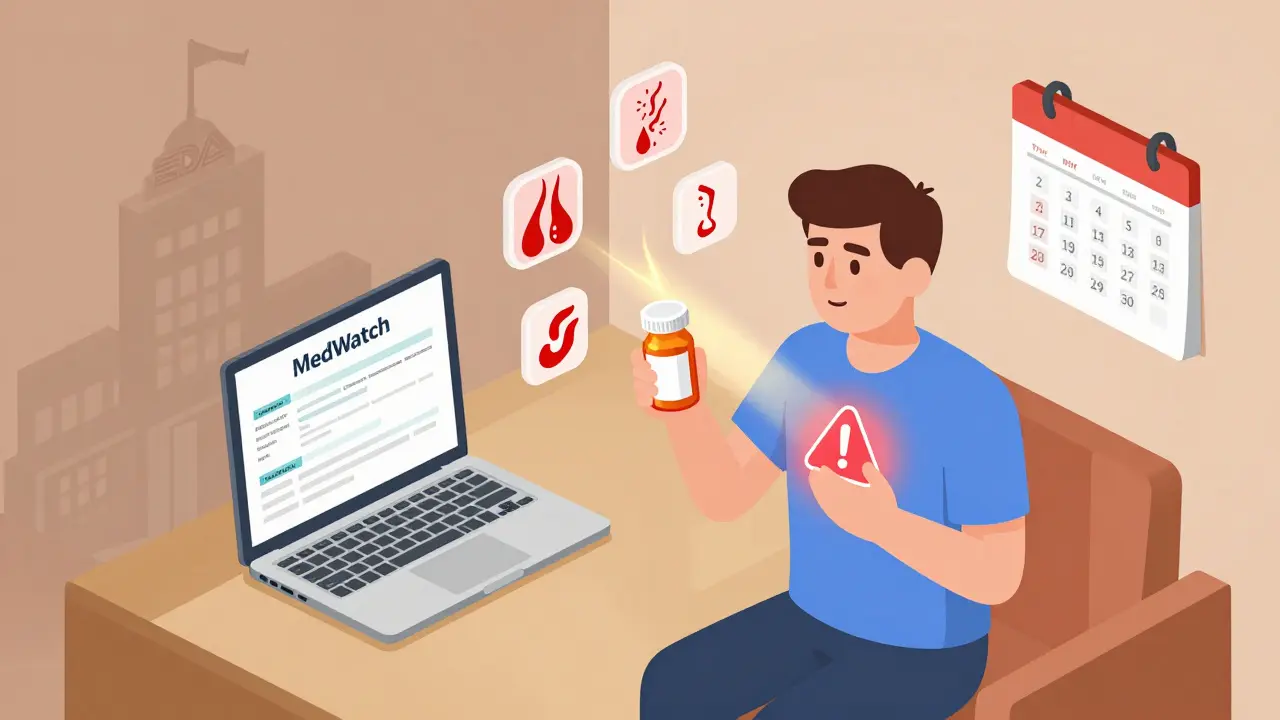
How to Report Adverse Events to the FDA for Medications: A Step-by-Step Guide
Learn how to report medication side effects to the FDA using MedWatch. Step-by-step guide for patients, families, and caregivers on submitting adverse event reports to improve drug safety.
-
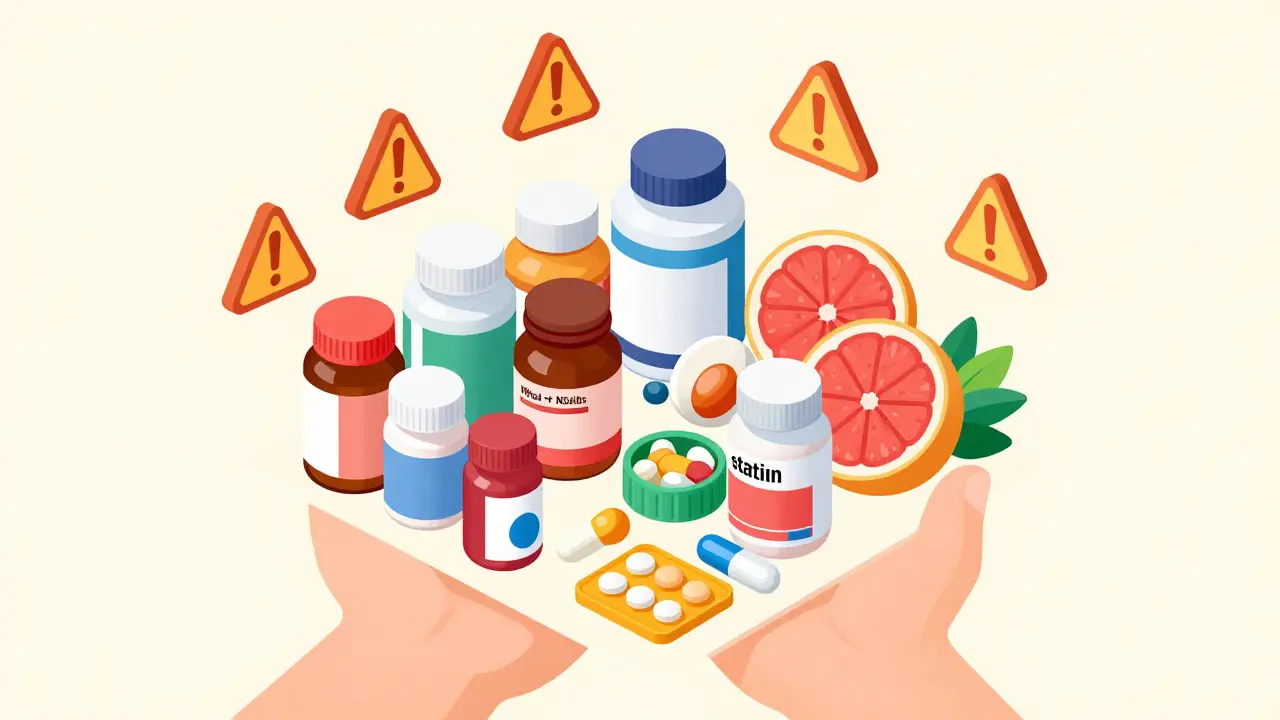
How to Check for Drug Interactions Before Starting New Medications: A Step-by-Step Guide
Learn how to check for dangerous drug interactions before starting any new medication. Follow practical steps to avoid life-threatening side effects and keep your treatment safe.
-
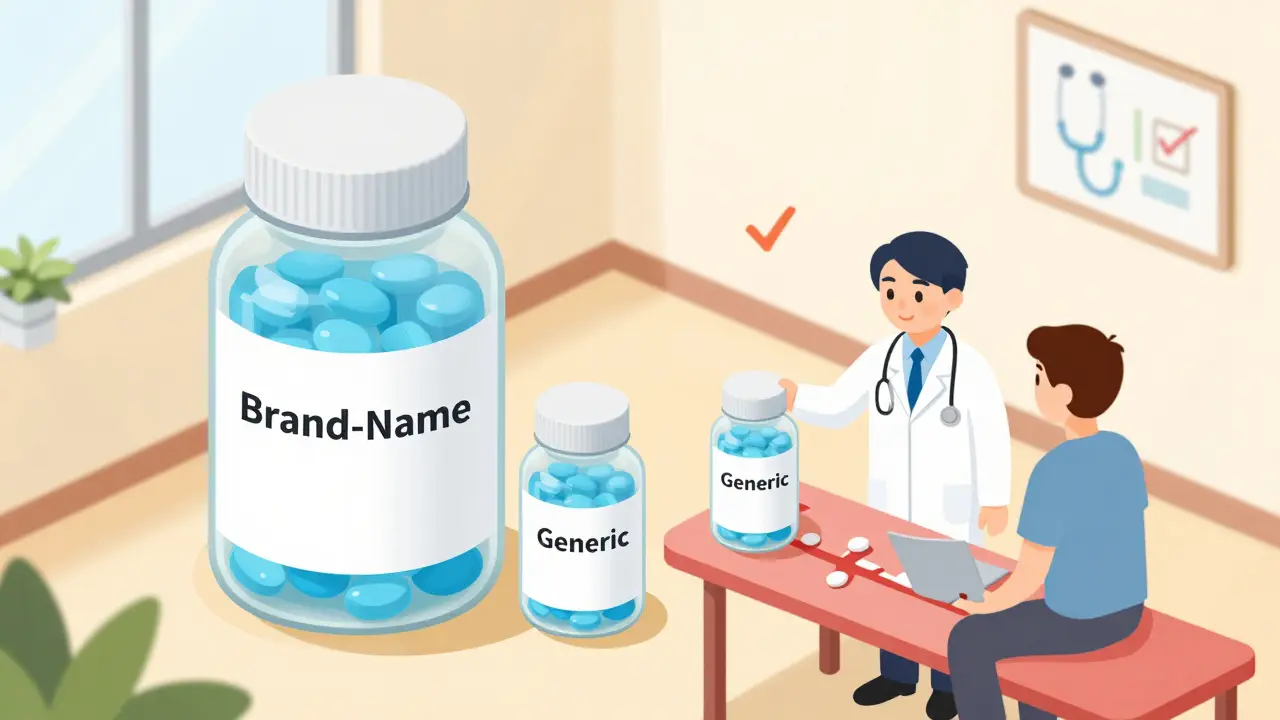
Why Doctors Recommend Generic Medications - And Why Patients Still Hesitate
Doctors overwhelmingly support generic medications for their effectiveness and cost savings, yet patient hesitation and prescribing habits still limit their use. Here’s why generics are just as safe - and how better communication can improve adherence.
-

Brain Tumors: Types, Grades, and Multimodal Treatments Explained
Brain tumors are classified by type and grade using the WHO CNS5 system, which now includes molecular markers like IDH mutation and 1p/19q codeletion. Treatment has shifted from one-size-fits-all to personalized approaches, with new drugs like vorasidenib improving outcomes for low-grade gliomas.
-
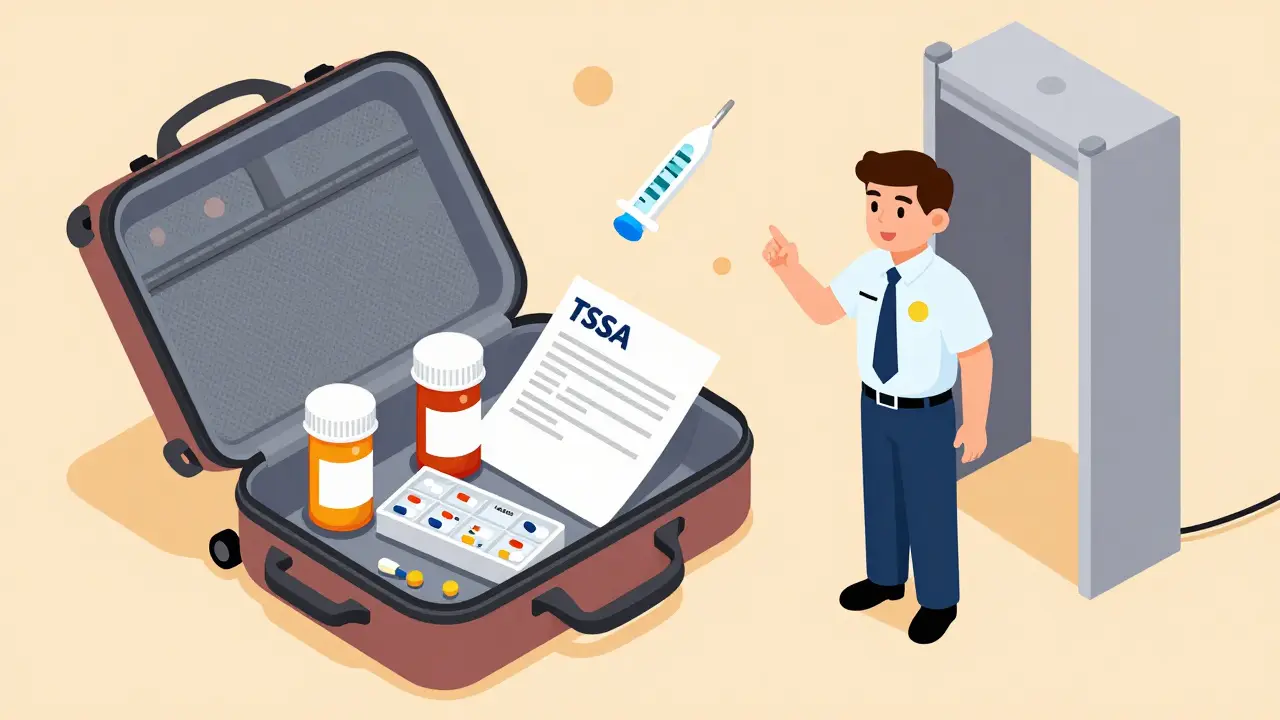
Carrying Medications in Original Containers While Traveling: What You Need to Know
Learn why carrying medications in original containers while traveling is essential for avoiding delays, legal issues, and dangerous situations abroad. Get the real rules for flying with pills, liquids, and controlled substances.
-
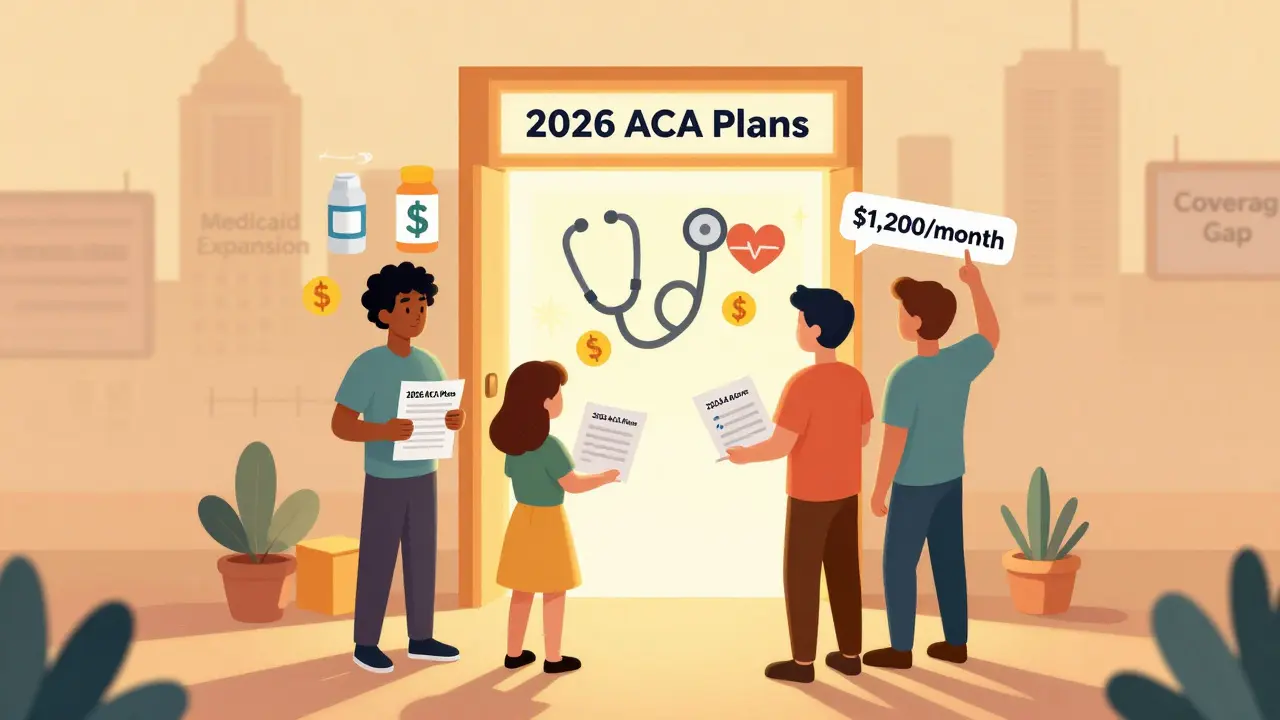
ACA Plans and Generic Coverage: What You Get Under the Affordable Care Act in 2026
Learn how ACA Marketplace plans work in 2026, including essential benefits, subsidy changes, metal tiers, and what happens when enhanced tax credits expire. Know what you're covered for - and what could cost you more.
-
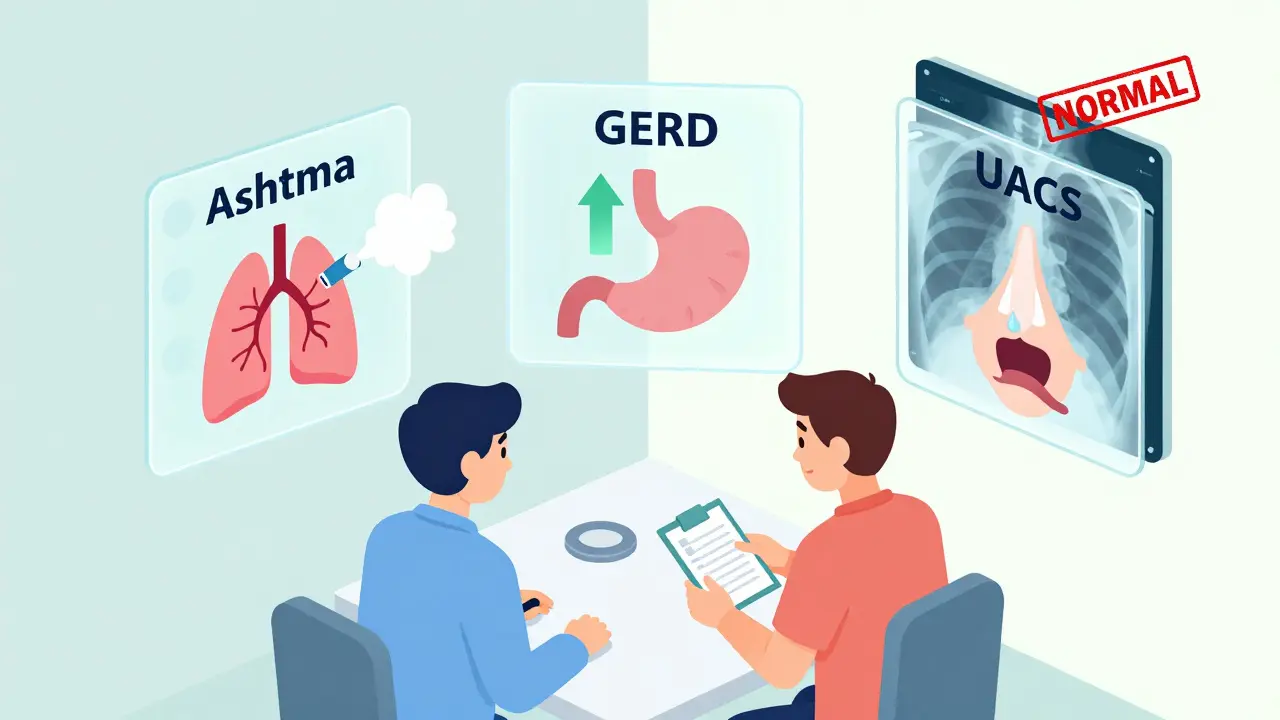
Chronic Cough Workup: How to Diagnose GERD, Asthma, and Postnasal Drip
Chronic cough lasting more than 8 weeks is often caused by GERD, asthma, or postnasal drip. Learn the step-by-step diagnostic workup backed by current guidelines to identify and treat the real cause - without unnecessary tests.
-
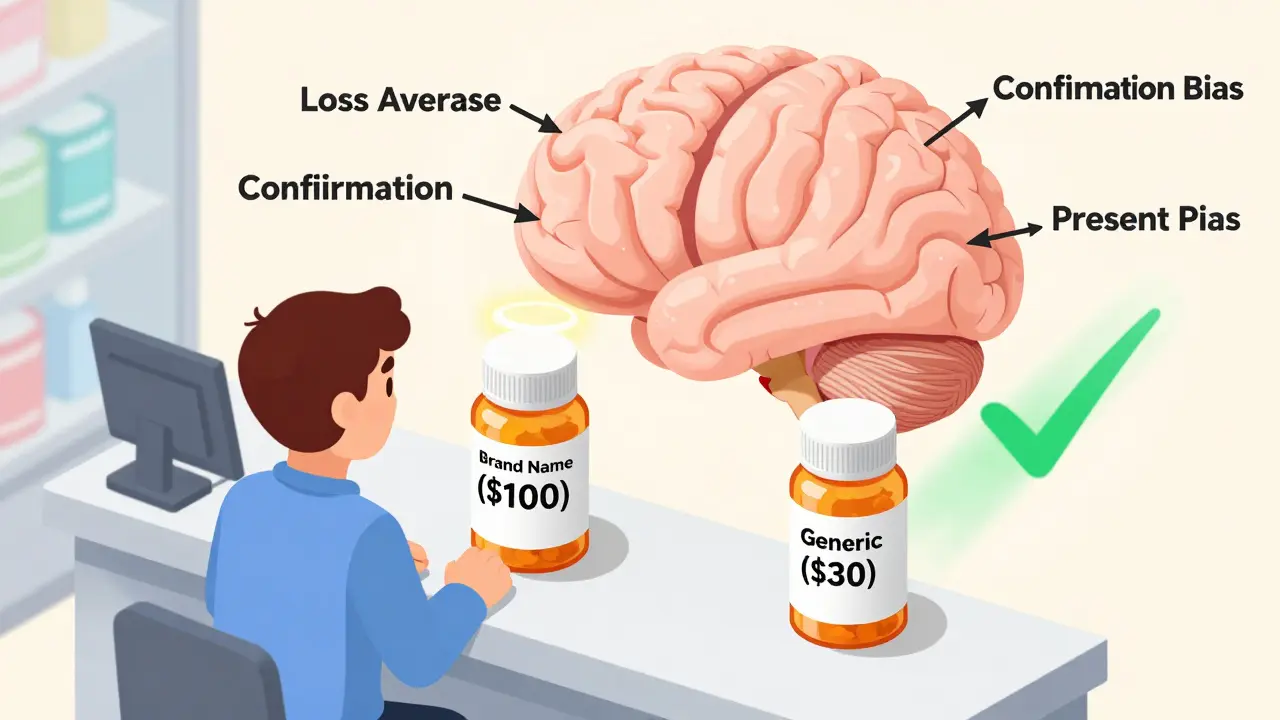
Behavioral Economics: Why Patients Choose Certain Drugs Over Others
Behavioral economics reveals why patients choose expensive drugs over cheaper generics-due to fear, trust, and mental shortcuts-not logic. Learn how nudges like defaults and loss aversion improve adherence and save lives.