Key Takeaways
- Vaping is less harmful than combustible tobacco but is not risk-free.
- Chemicals like acrolein and formaldehyde can cause permanent lung damage.
- E-cigarette use is linked to a 48% higher risk of developing COPD compared to non-users.
- Vapor suppresses the lung's immune system, making you more prone to pneumonia.
- Vitamin E acetate in some THC vapes was the primary cause of the EVALI outbreak.
What's Actually Inside the Vapor?
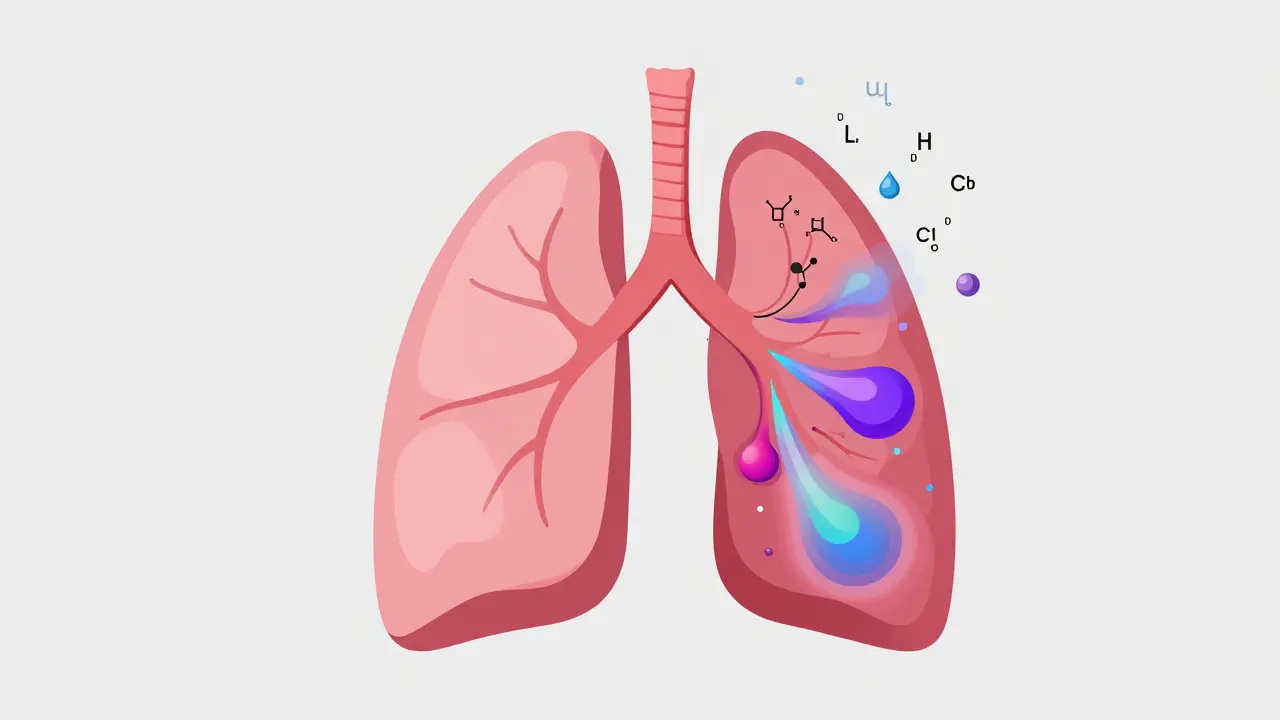
When you vape, you aren't breathing in water vapor. You're inhaling an aerosol-a suspension of fine particles and gas. The base of most e-liquids consists of Propylene Glycol and vegetable glycerin. While these are common in food, breathing them deep into your lungs is a different story. Research from the University of North Carolina shows that as you add more ingredients to the liquid, the toxicity to your cells increases. Then there are the volatile organic compounds. We're talking about Benzene, a chemical found in car exhaust, and heavy metals like nickel, tin, and lead. You also have flavorings like diacetyl, which has been linked to serious lung disease. While some countries have banned diacetyl, the mix of other chemicals like acetaldehyde and acrolein still puts your airway under constant stress. These substances don't just sit there; they irritate the lining of your lungs, leading to inflammation and a gradual decline in how well you can breathe.The Spectrum of Lung Damage: From Irritation to COPD
For most vapers, the damage starts slow. You might notice a persistent cough or a bit of wheezing that you write off as a cold. This is often the result of chronic airway inflammation. Your lungs are trying to protect themselves from the chemical irritation, but over time, this constant state of alarm can lead to permanent scarring. One of the most concerning findings comes from NIH studies regarding COPD (Chronic Obstructive Pulmonary Disease). Current e-cigarette users have a significantly higher risk of developing this condition-about 48% higher than those who don't vape. While traditional smoking is still the biggest driver of COPD, vaping isn't a "safe harbor." If you're a non-smoker who vapes, you're essentially introducing a risk factor that your body isn't equipped to handle.| Feature | Traditional Cigarettes | E-Cigarettes (Vaping) |
|---|---|---|
| Primary Harmful Agent | Tar and Carcinogens | Chemical Aerosols & Heavy Metals |
| Immune System Impact | General Suppression | Specific Suppression of Lung Defenses |
| Acute Risk | Slow progression of disease | Potential for sudden injury (EVALI) |
| COPD Risk | Very High | Elevated (approx. 48% vs non-users) |
Understanding EVALI: The Wake-Up Call
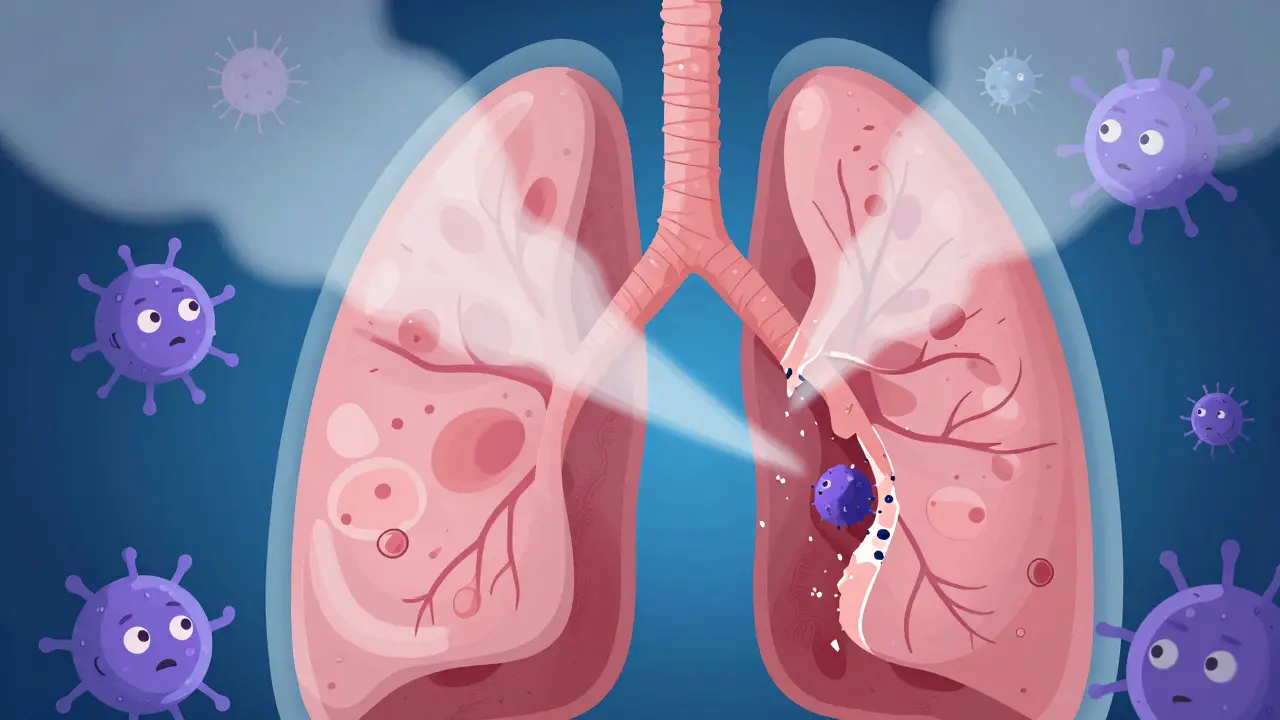
If you remember 2019, you'll recall the headlines about EVALI, E-cigarette or Vaping Use-Associated Lung Injury. This wasn't your typical slow-burn lung disease; it was an acute crisis. Thousands of people, many of them young adults, ended up in hospitals with lungs that looked like they had severe pneumonia, but antibiotics didn't work. Investigators found that the culprit was often Vitamin E Acetate, a thickening agent used in some THC-containing vaping products. This substance coated the alveoli in the lungs, preventing oxygen from reaching the bloodstream. It served as a brutal reminder that the vaping market is often unregulated. When you buy an e-liquid, you're trusting that the label is accurate, but the EVALI outbreak proved that dangerous additives can slip in, causing irreversible lung damage in a matter of days.The Hidden Danger: Your Immune System
Beyond the chemical burns and the risk of acute injury, there's a silent problem: your lungs' ability to fight back. The American Thoracic Society has highlighted that e-cigarette vapor suppresses key immune defenses. Normally, your lungs have a sophisticated cleaning system to get rid of bacteria and viruses. Vaping disrupts this process. By weakening the immune response in the pulmonary region, vapers become much more vulnerable to respiratory infections like pneumonia and bronchitis. This is why some vapers find themselves catching "every cold that goes around" or struggling to recover from a simple chest infection. You aren't just adding chemicals to your lungs; you're taking away their armor.
Signs You Need to See a Doctor
Because lung damage often happens gradually, it's easy to ignore the warning signs. However, there are specific red flags that mean you should book an appointment with a pulmonary specialist immediately. Don't wait for the symptoms to become debilitating; early intervention can sometimes reverse inflammation before it becomes permanent scarring. Keep an eye out for these symptoms:- A persistent, dry cough that doesn't go away with over-the-counter meds.
- Shortness of breath during activities that used to be easy, like climbing a flight of stairs.
- Chest tightness or a feeling of pressure when breathing deeply.
- Recurring bouts of bronchitis or pneumonia.
- Decreased exercise tolerance (you get winded much faster than you used to).
The Path Forward: Harm Reduction or Total Cessation?
There is a lot of debate about whether vaping is a valid tool for quitting cigarettes. From a purely statistical standpoint, vaping is less harmful than smoking combustible tobacco because it lacks the tar and many of the most potent carcinogens. For a lifelong pack-a-day smoker, switching to vaping might reduce some immediate risks. However, the goal should always be total cessation. As experts like Dr. NeSmith point out, no matter how you get nicotine into your system-via smoke or vapor-you are putting your lungs under stress. The safest choice is to quit both. The long-term effects of vaping are still being studied because the products are relatively new. We don't yet know what happens to a 20-year vaper's lungs after three decades of use. Why be a part of that experiment?Can vaping cause "popcorn lung"?
Popcorn lung, or bronchiolitis obliterans, is linked to the chemical diacetyl. While there was a huge scare early on, most countries have banned diacetyl in e-liquids. Interestingly, evidence shows that traditional cigarette smokers actually ingest much more diacetyl than vapers do, yet there have been very few reported cases of popcorn lung in either group. The risk exists, but it's not the primary concern for most vapers today.
Is vaping safer for asthma patients?
No. For people with asthma, vaping can be particularly dangerous. The aerosols can irritate the airway lining and trigger asthma exacerbations (attacks). The CDC notes that breathing in these aerosols can exacerbate both asthma and bronchitis, making it a risky choice for anyone with a pre-existing respiratory condition.
Does vaping affect your heart as well as your lungs?
Yes. The nicotine in e-cigarettes is a stimulant that increases heart rate and raises blood pressure. Combined with the inflammation caused by the other chemicals in the vapor, this can put significant stress on the cardiovascular system, increasing the risk of heart-related issues over time.
Will my lungs recover if I quit vaping now?
Some recovery is possible. Many of the inflammatory changes in the lungs are reversible once the irritant is removed. However, if the vaping has led to permanent scarring (fibrosis) or severe damage like that seen in EVALI, those changes may be permanent. The sooner you quit, the higher the chance of restoring your lung function.
Are nicotine-free vapes safe?
Not necessarily. While you remove the addiction and the cardiovascular stress of nicotine, you are still inhaling propylene glycol, vegetable glycerin, flavorings, and potentially heavy metals. The respiratory irritation and the suppression of the immune system are caused by the aerosol itself, not just the nicotine.


