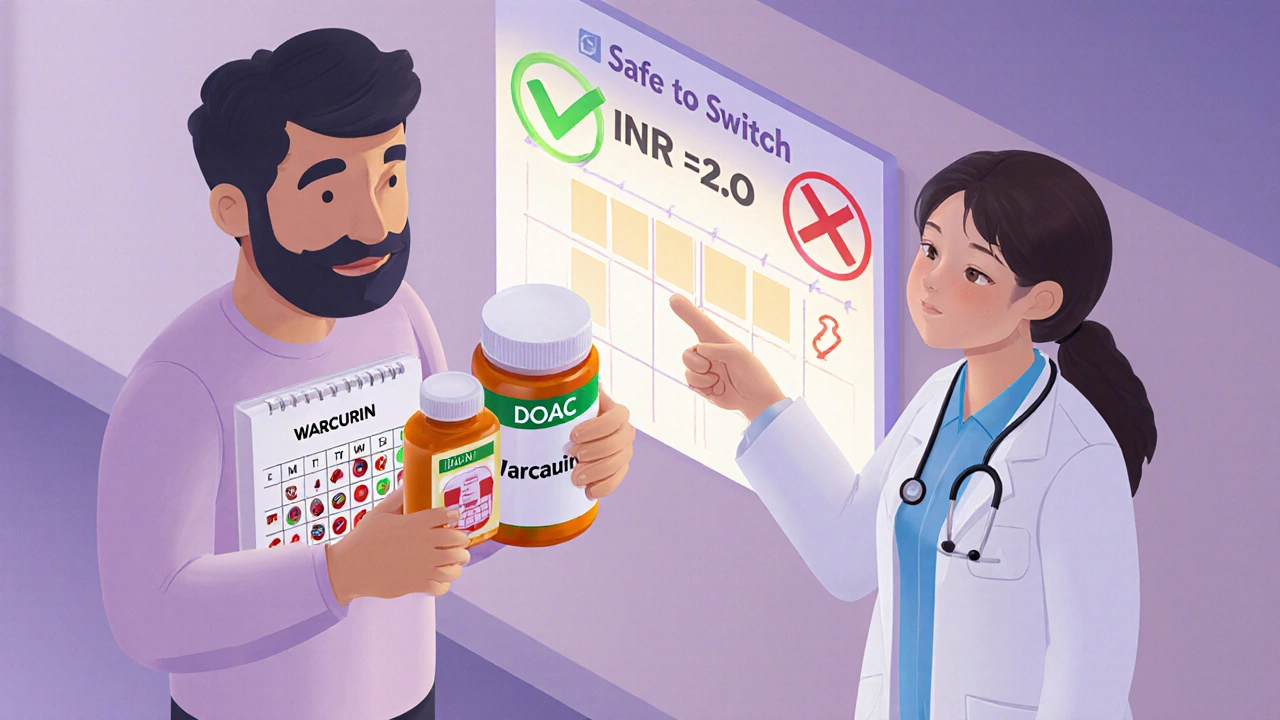
Warfarin to DOAC Switch Calculator
This tool calculates when to safely switch from warfarin to a DOAC based on your latest INR reading. Follow the American Heart Association guidelines to minimize bleeding or clotting risks.
Switch Recommendation
Enter your INR and DOAC type to see timing guidance.
Switching from warfarin to a direct oral anticoagulant (DOAC) can simplify your life-but only if done right. Millions of people take blood thinners to prevent strokes, clots, or other dangerous events. For decades, warfarin was the only option. Now, DOACs like apixaban, rivaroxaban, dabigatran, and edoxaban are replacing it for many patients. But this isn’t just a pill swap. Get the timing wrong, ignore your kidney function, or skip the lab tests, and you could end up with a stroke-or a bleed.
Why Switch at All?
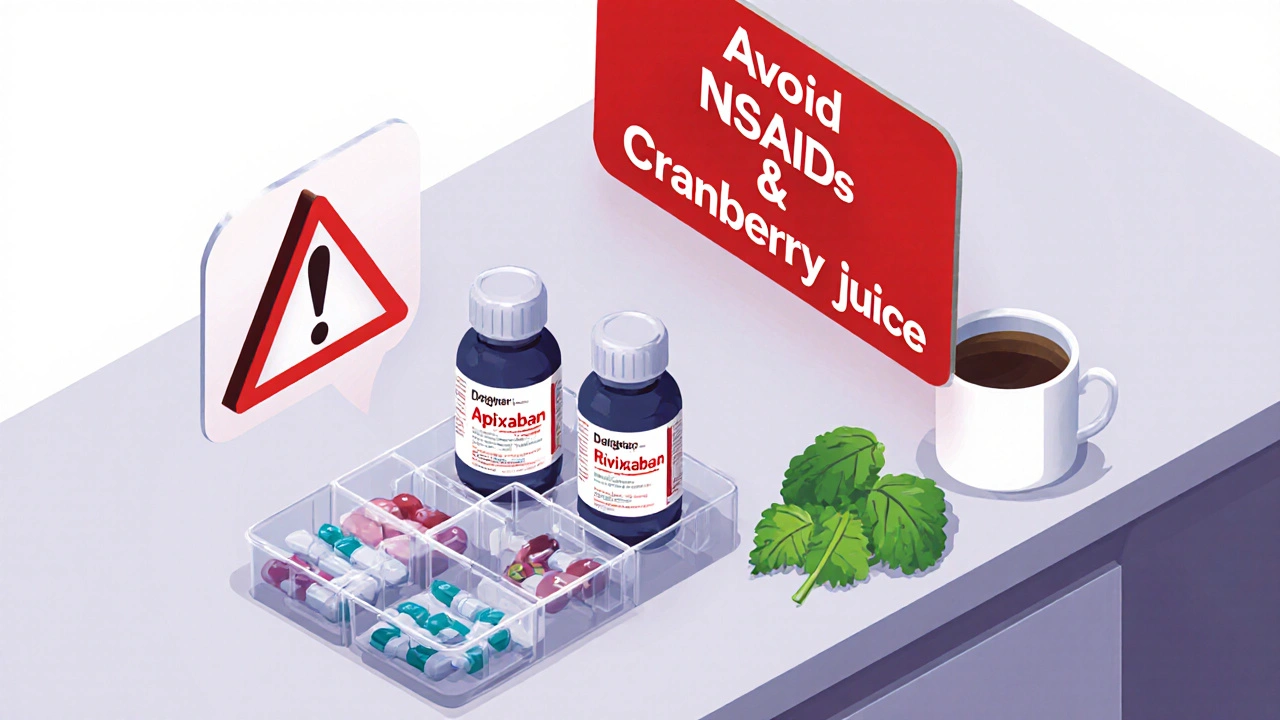
Warfarin works, but it’s messy. You need blood tests every few weeks to check your INR (International Normalized Ratio). That’s 12 to 24 visits a year just to make sure your dose is still safe. Your diet matters too-leafy greens, alcohol, even cranberry juice can throw off your levels. And warfarin interacts with over 100 common medications, from antibiotics to painkillers. DOACs don’t need those regular blood tests. They work more predictably. You take the same dose every day. Food doesn’t interfere. Fewer drug interactions. And most importantly, they reduce your risk of brain bleeds by about 30% compared to warfarin, based on data from the RE-LY trial. For most people with atrial fibrillation, deep vein thrombosis, or pulmonary embolism, switching makes life easier and safer.Who Shouldn’t Switch?
Not everyone is a candidate. If you have a mechanical heart valve, DOACs are not an option. They don’t work well enough to protect you. The same goes for people with severe kidney disease-CrCl under 15 mL/min for most DOACs. If your kidneys are barely working, the drug builds up and increases bleeding risk. Liver disease is another red flag. If you have Child-Pugh Class C cirrhosis, DOACs aren’t safe. Pregnant or breastfeeding women should avoid them too. There’s not enough data to say they’re safe for the baby. Even body weight matters. If you weigh less than 60 kg or more than 150 kg, the studies that proved DOACs are safe didn’t include many people like you. Your doctor may still prescribe one, but they’ll need to be extra careful.The Critical Timing Rule: INR Is Your Guide
This is where most mistakes happen. You can’t just stop warfarin and start a DOAC the next day. The timing depends on your last INR reading.- If your INR is ≤2.0: Start the DOAC right away.
- If your INR is 2.0-2.5: Start the DOAC the same day or wait until the next day.
- If your INR is 2.5-3.0: Wait 1-3 days, then retest. Don’t start the DOAC until the INR drops.
- If your INR is ≥3.0: Wait 3-5 days and retest. Starting too soon risks bleeding.
What Happens If You Don’t Test Your INR?
Some clinics skip the test because it’s inconvenient. Don’t let that happen. If you don’t know your INR, you’re flying blind. The European Heart Journal says: if you can’t get an INR test, wait 2-3 days after your last warfarin dose before starting the DOAC. But if you’re older, have kidney problems, or your last INR was high, you might need to wait longer-up to 5 days. Warfarin sticks around in your body for 36 to 48 hours. If you don’t wait, you could overdose. And here’s a hidden danger: DOACs can temporarily raise your INR. That doesn’t mean they’re not working. It’s a lab artifact. So if your doctor checks your INR after you start the DOAC and sees a number of 2.8, don’t panic. That doesn’t mean you’re over-anticoagulated. It just means the test isn’t reliable anymore.Side Effects: What to Watch For
DOACs are safer than warfarin overall, but they’re not risk-free.- Gastrointestinal bleeding is more common with DOACs than warfarin-especially with dabigatran. If you notice dark stools, vomiting blood, or sudden stomach pain, get help immediately.
- Renal issues: Since DOACs are cleared by the kidneys, your function needs checking every 6-12 months. If your creatinine rises, your dose may need to drop.
- Reversal agents: If you bleed badly, there are antidotes-but only for some DOACs. Idarucizumab reverses dabigatran. Andexanet alfa reverses apixaban and rivaroxaban. Edoxaban has no approved antidote. Warfarin can be reversed with vitamin K and fresh plasma, which is more widely available.
Special Situations: Surgery, Kidneys, and Age
If you need surgery or a dental procedure, you’ll need to pause your DOAC. But how long? For a low-risk procedure (like a tooth extraction) and normal kidney function (CrCl >90 mL/min): hold dabigatran for 24-36 hours. For a high-risk surgery (like a hip replacement) and moderate kidney impairment (CrCl 30-50 mL/min): hold dabigatran for 96-108 hours. These numbers come from British Columbia’s official switch protocol. They’re not guesses-they’re based on how long the drug stays active in your body. If you stop too soon, you risk a clot. Stop too late, and you bleed. Older adults are at higher risk of bleeding. That doesn’t mean they can’t switch-but their kidneys need closer monitoring, and their doses may need to be lower. Apixaban is often preferred for patients over 80 because it’s been shown to cause fewer bleeds in this group.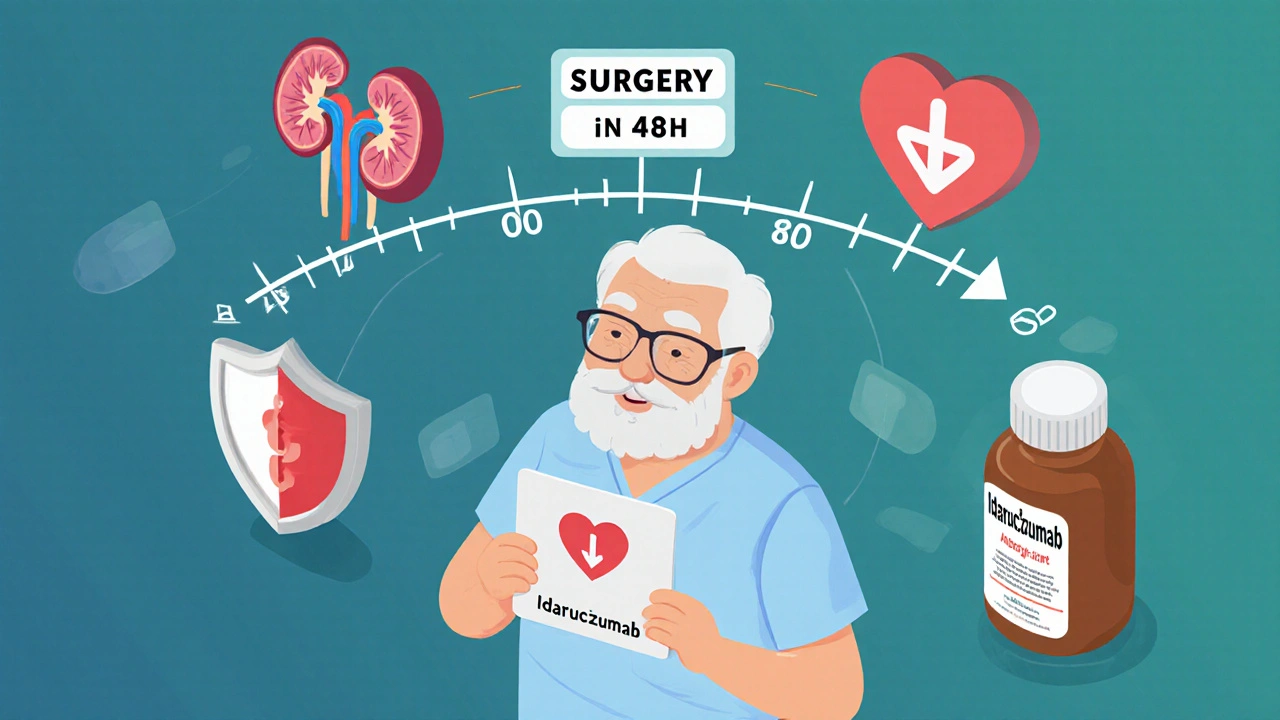
What to Do After the Switch
Your job doesn’t end when you pick up your new prescription.- Take your DOAC at the same time every day. Missing a dose or taking it late can drop your protection.
- Get your kidney function checked every 6-12 months. Even if you feel fine.
- Carry an anticoagulant alert card. Emergency responders need to know you’re on a blood thinner.
- Keep your pharmacist informed. They can catch dangerous drug interactions you might miss.
- Don’t start any new medication-prescription, OTC, or herbal-without checking with your doctor first.
Cost and Access: The Real-World Challenge
DOACs cost $500-$700 a month in the U.S. Warfarin? $10-$30. That’s a big difference. Insurance often covers DOACs, but you might still pay hundreds out of pocket. If cost is a barrier, talk to your doctor. Some manufacturers offer patient assistance programs. Sometimes, sticking with warfarin-even with the frequent testing-is the smarter financial choice. But don’t let cost make you skip the switch if you’re a good candidate. The long-term cost of a stroke, a major bleed, or hospitalization far exceeds the monthly price of a DOAC.Final Thought: This Is a Team Effort
Switching from warfarin to a DOAC isn’t something you do on your own. It needs a doctor who knows the guidelines, a lab that tests INR on time, a pharmacist who checks for interactions, and you-paying attention to your body. When done right, this switch means fewer blood tests, fewer dietary restrictions, and a lower risk of brain bleeds. But when done wrong, it can be dangerous. Follow the numbers. Trust the process. And never skip the INR check before you start.Can I switch from warfarin to a DOAC on my own?
No. Switching requires precise timing based on your INR level, kidney function, and medical history. Only clinicians trained in anticoagulation management should make this change. Doing it without guidance increases your risk of stroke or serious bleeding.
Do I still need blood tests after switching to a DOAC?
You won’t need INR tests anymore, but you do need kidney function checks-usually every 6 to 12 months. DOACs are cleared by your kidneys, so if your kidney function drops, your dose may need to be adjusted. Some doctors also check liver function or blood counts annually.
What if I miss a dose of my DOAC?
If you miss a dose, take it as soon as you remember-unless it’s close to your next scheduled dose. Never double up. DOACs leave your system quickly-within 12 to 24 hours-so missing a dose leaves you unprotected. If you miss two doses in a row, contact your doctor.
Are DOACs safe for elderly patients?
Yes, but with caution. Apixaban is often preferred for older adults because clinical trials showed lower bleeding rates compared to other DOACs. Dose adjustments are common based on age, weight, and kidney function. Regular monitoring is essential-kidney function declines with age, and that affects how the drug works.
Can I take NSAIDs like ibuprofen while on a DOAC?
Avoid NSAIDs like ibuprofen, naproxen, or aspirin unless your doctor says it’s safe. These drugs increase bleeding risk, especially in the stomach. Use acetaminophen (Tylenol) for pain instead. Always check with your doctor or pharmacist before taking any new medication, even over-the-counter ones.
What should I do if I have surgery or a dental procedure?
Tell your surgeon or dentist you’re on a DOAC. They’ll tell you when to stop it based on the procedure’s bleeding risk and your kidney function. Never stop it on your own. For low-risk procedures, you might stop 24-36 hours before. For major surgery, you may need to stop for 2-5 days. Your doctor will give you exact instructions.


