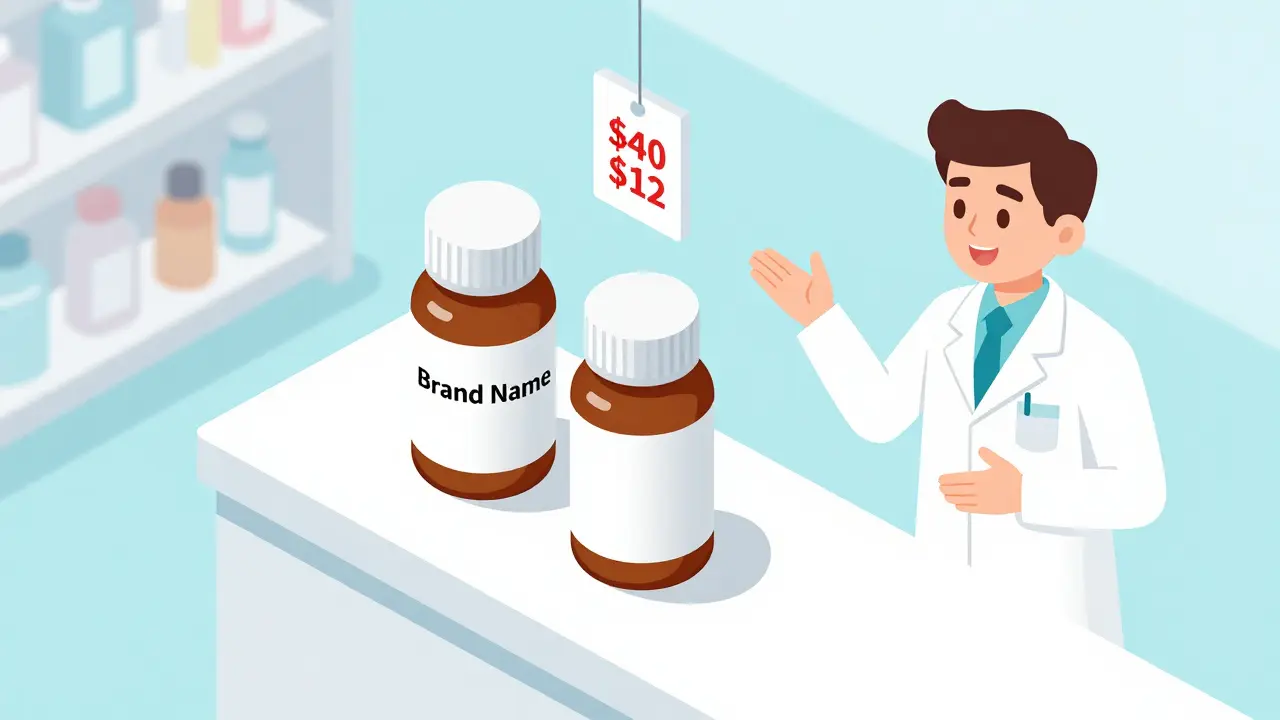
When your prescription switches from the brand-name drug you’ve been taking to a cheaper version, it’s easy to panic. Did they give you the wrong medicine? Is it less effective? What if it doesn’t work the same way? The truth is, if you’re getting an authorized generic, you’re getting the exact same drug - same active ingredients, same manufacturing process, same factory - just without the brand name on the bottle.
What Exactly Is an Authorized Generic?
An authorized generic is not a traditional generic. It’s the brand-name drug, made by the same company, in the same facility, using the same recipe, but sold under a different label. Think of it like buying a Coca-Cola bottle with no logo on it - same soda, same ingredients, same taste. The FDA requires these to be identical in every way to the original brand. They’re listed in the FDA’s Orange Book and must be reported quarterly. Unlike regular generics, which go through a separate approval process to prove they’re bioequivalent, authorized generics skip that step because they’re literally the same product.Why Do Authorized Generics Exist?
They weren’t created to help patients save money - at least not at first. They came about because of the 1984 Hatch-Waxman Act, which gave the first generic company to challenge a patent 180 days of exclusive market access. But brand-name manufacturers quickly realized they could undercut that exclusivity by launching their own generic version - an authorized generic - right when the clock started ticking. Suddenly, instead of one cheaper option, you had two: the first generic and the brand’s own version. That doubled the competition, and prices dropped even faster.How Much Money Can You Save?
The savings are real. When an authorized generic enters the market, retail prices typically drop by 8% to 18%. For a common medication like simvastatin (the generic version of Zocor), switching to an authorized generic can cut your monthly cost from $40 to $12. Medicare Part D data from 2022 shows patients save an average of $15 to $30 per prescription when an authorized generic replaces the brand. In some cases, the price drops so low that it’s cheaper than the original brand’s co-pay. And because authorized generics are often covered at the lowest tier by insurance, you might not even need to file a prior authorization.How to Tell If It’s an Authorized Generic
Not every generic is an authorized generic. Many look different - different color, shape, or markings - because they’re made by another company. But authorized generics often look identical to the brand. The only way to know for sure is to check the FDA’s quarterly list of authorized generics. You can find it on the FDA’s website under "Approved Drug Products with Therapeutic Equivalence Evaluations." Look up your drug, and if you see a listing that says "Authorized Generic" under the brand name, you’ve got it. Your pharmacist can also tell you - just ask, "Is this an authorized generic?"What If It Looks Different?
Sometimes, even authorized generics change their appearance. Why? Because the brand company might switch packaging suppliers or update the pill imprint. That doesn’t mean the drug changed. It’s still the same formula, same dose, same everything. But if you’ve been taking the same pill for years and suddenly see a different color or shape, it’s natural to feel uneasy. Pharmacists report that 65% of patient questions about generics are about appearance. The fix? Ask your pharmacist to explain the change. Most will show you the FDA’s official listing to prove it’s identical. Keep the original bottle as a reference until you’re confident.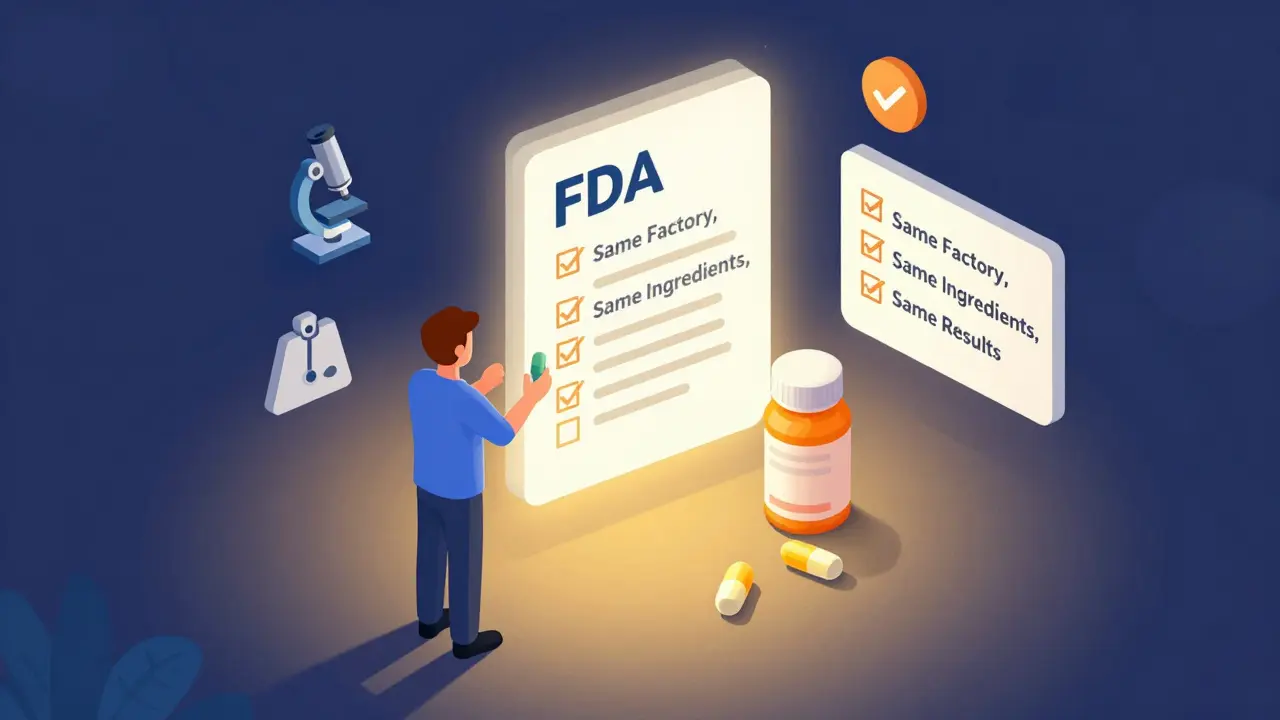
Insurance and Pharmacy Rules
Most insurance plans automatically switch you to an authorized generic if one exists - no paperwork needed. In fact, 80% to 90% of prescriptions for drugs with an authorized generic are filled as such. But if you’re on a specialty medication or have a high-deductible plan, check your formulary. Some plans still prefer the brand name unless you specifically request the generic. If your doctor wrote the prescription for the brand, the pharmacy might not substitute it automatically. Call ahead and say, "I’d like the authorized generic if it’s available."Will It Work the Same?
Yes. Studies show no difference in effectiveness or side effects between brand-name drugs and their authorized generics. A 2018 study published in the National Center for Biotechnology Information tracked over 12,000 patients switching from brand to authorized generic. Results showed identical rates of hospital visits, medication adherence, and discontinuation. You’re not trading quality for price. In fact, because authorized generics are made in the same facility as the brand, they often have fewer manufacturing variations than traditional generics. That means less chance of batch inconsistencies.When to Avoid Switching
There are rare cases where switching might cause concern. If you have a severe allergy to a specific inactive ingredient - like lactose or dye - you should always check the full ingredient list. While authorized generics match the brand exactly, traditional generics might use different fillers. For most people, this isn’t an issue. But if you’ve had reactions before, ask your pharmacist for the ingredient sheet. Also, if you’re taking a narrow-therapeutic-index drug - like warfarin, levothyroxine, or phenytoin - some doctors prefer to keep you on the same version consistently. Even with authorized generics, it’s worth discussing with your provider if you’re on one of these.How to Talk to Your Doctor
You don’t need to ask permission to switch. Pharmacists can substitute authorized generics unless the prescription says "Dispense as Written" or "Do Not Substitute." But if you’re unsure, it’s fine to say: "I’ve heard about authorized generics. Can we confirm this is the same as my brand?" Most doctors know the difference and support the switch. They’ve seen patients save hundreds a year without losing effectiveness. If your doctor is hesitant, ask them to check the FDA’s Orange Book. It’s public information. No guesswork needed.
What to Do When You Get Your Prescription
When you pick up your medication, take a second to compare the bottle to your last one. Does it have the same pill shape and color? If not, ask the pharmacist to confirm it’s an authorized generic. If it’s not, ask if one is available. If your insurance doesn’t cover it, ask if the pharmacy can order it - many can. Some pharmacies even have a list of authorized generics on hand. Don’t assume the cheapest option is the right one. Ask for the authorized version. It’s often the best balance of cost and consistency.Common Myths About Authorized Generics
- Myth: "Generics are weaker." Truth: Authorized generics are the brand drug - no difference.
- Myth: "The brand is better quality." Truth: Same factory, same equipment, same inspectors.
- Myth: "I’ll get side effects from switching." Truth: Studies show no increase in side effects.
- Myth: "My doctor doesn’t know about them." Truth: They’re listed in the FDA’s public database - your doctor can look them up in seconds.
What’s Next for Authorized Generics?
The number of authorized generics is growing. In 2022, 42% of top-selling brand drugs that lost patent protection introduced an authorized version within six months. The FDA now requires more detailed reporting, and pharmacy systems are starting to flag authorized generics automatically during dispensing. By 2025, experts predict more than half of new generic entries will be authorized. For patients, that means more savings, more transparency, and fewer surprises. The goal isn’t to replace the brand - it’s to make the same drug affordable.Are authorized generics the same as regular generics?
No. Regular generics are made by different companies and must prove they work the same as the brand through testing. Authorized generics are made by the original brand company, using the exact same formula, ingredients, and manufacturing process. They’re the same drug, just sold without the brand name.
Can I trust an authorized generic if it looks different?
Yes. Even though the pill might be a different color or shape, the active ingredients and dosage are identical. Changes in appearance are usually due to packaging updates or different imprinting - not a change in the drug itself. Always check the FDA’s authorized generic list or ask your pharmacist to confirm.
Will my insurance cover an authorized generic?
Almost always. Most insurance plans automatically prefer authorized generics because they’re the cheapest option that’s still identical to the brand. You’ll usually pay the lowest co-pay tier. If your plan doesn’t cover it, ask your pharmacist if they can order it - many pharmacies can source it directly.
Do authorized generics have the same side effects as the brand?
Yes. Since they’re made from the exact same formula and in the same facility, side effects are identical. Studies tracking thousands of patients show no increase in adverse reactions after switching to an authorized generic.
How do I find out if my drug has an authorized generic?
Go to the FDA’s website and search the Orange Book for your drug. If an authorized generic is listed, it will say so clearly. You can also ask your pharmacist - they have access to the same database and can confirm if one is available.


