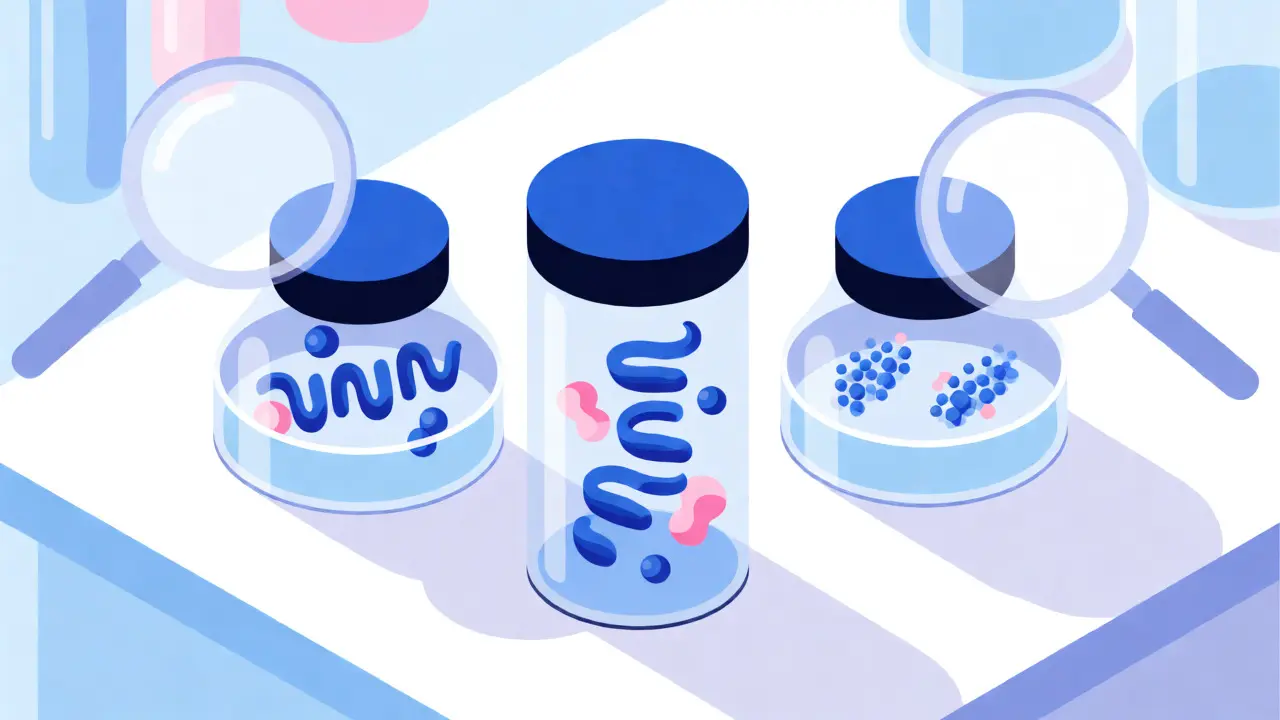
You might feel perfectly fine, yet still be carrying a bacterial infection that could quietly damage your reproductive health or even your heart. Sexually Transmitted Infections (STIs) are not just minor inconveniences; they are serious public health challenges. Among the most common bacterial culprits are Chlamydia, Gonorrhea, and Syphilis. These three infections account for hundreds of millions of new cases globally every year. The tricky part? They often show no symptoms at all until significant damage has occurred.
Why does this matter to you right now? Because untreated infections can lead to infertility, chronic pain, and increased susceptibility to HIV. But here is the good news: these are bacterial infections, which means they are curable with antibiotics. The challenge lies in catching them early enough. This guide breaks down exactly what these infections are, how to spot them, and what modern medical guidelines say about treating them effectively in 2026.
The Silent Spreaders: Understanding the Big Three
Let’s look at the numbers. According to the World Health Organization, there were an estimated 374 million new infections of four major STIs in recent years. Chlamydia alone accounts for roughly 129 million of those cases. It is caused by the bacterium Chlamydia trachomatis. If you think you need to see discharge or feel pain to know something is wrong, think again. Up to 70-95% of women and 50% of men with chlamydia have zero symptoms. It is often called a "silent" epidemic for a reason.
Gonorrhea, caused by the bacterium Neisseria gonorrhoeae, is the second most common bacterial STI in many developed nations. Like chlamydia, it frequently flies under the radar. When symptoms do appear, they include yellow discharge, painful urination, and rectal discomfort. However, gonorrhea carries a higher risk of spreading through the bloodstream, leading to Disseminated Gonococcal Infection (DGI), which affects joints and skin in rare but severe cases.
Then there is Syphilis, caused by Treponema pallidum. Unlike the other two, syphilis progresses through distinct stages if left untreated. Primary syphilis presents as a single, painless sore called a chancre. Secondary syphilis brings rashes and flu-like symptoms. Tertiary syphilis, which can occur years later, attacks the heart, brain, and nerves. It was historically known as the "great imitator" because its symptoms mimic so many other diseases.
Risk Factors and Who Is Most Vulnerable
Who gets these infections? While anyone sexually active is at risk, data shows a stark disparity. Young people aged 15-24 represent only about 25% of the sexually active population but account for nearly half of all new STI cases. Why? Biological factors, inconsistent condom use, and limited access to healthcare play roles.
Geographic and demographic trends also matter. In the United States, racial disparities remain pronounced. Black Americans experience chlamydia rates 5.6 times higher and gonorrhea rates 6.7 times higher than White Americans. These gaps highlight the need for targeted screening and accessible care, rather than blaming individual behavior alone.
Transmission happens through unprotected vaginal, anal, or oral sex. You cannot catch these from toilet seats, swimming pools, or sharing utensils. Mother-to-child transmission during childbirth is another critical route, especially for syphilis, which can cause congenital defects or stillbirth if untreated.
Diagnosis: How to Know for Sure
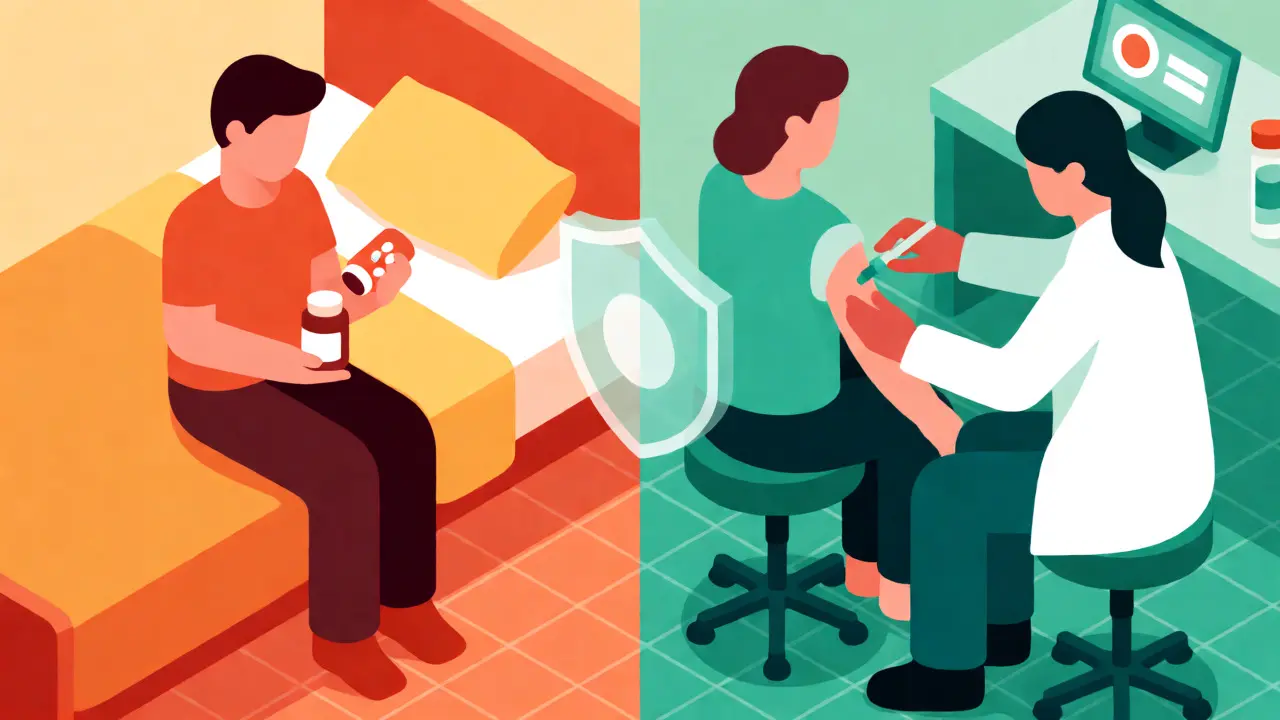
Guessing isn’t good medicine. Because symptoms are unreliable, testing is the only way to know. Here is how diagnosis differs for each:
- Chlamydia and Gonorrhea: Urine tests are the standard for urogenital infections. Swabs may be used for throat or rectal sites, especially after oral or anal sex.
- Syphilis: Blood tests are required. Doctors typically use a two-step process involving non-treponemal and treponemal tests to confirm active infection.
If you have had a new partner or multiple partners since your last test, get screened. Many clinics offer free or low-cost testing. Remember, a negative test today doesn’t protect you tomorrow. Retesting is crucial, particularly for young women, where reinfection rates with chlamydia hit 14-20% within 12 months.
Treatment Protocols and Antibiotic Resistance
Treatment has changed rapidly in recent years due to antibiotic resistance. This is particularly true for gonorrhea, which the CDC classifies as an "urgent threat."
| Condition | First-Line Treatment | Notes on Resistance/Efficacy |
|---|---|---|
| Chlamydia | Doxycycline (100 mg orally twice daily for 7 days) | Cure rates exceed 95%. Azithromycin (1 g single dose) is an alternative but less effective for rectal infections. |
| Gonorrhea | Ceftriaxone (500 mg intramuscularly as a single dose) | Azithromycin co-treatment is sometimes added, but resistance is growing. Test-of-cure recommended for pharyngeal infections. |
| Syphilis (Early) | Benzathine penicillin G (2.4 million units IM, single dose) | Penicillin remains highly effective. Late-stage syphilis requires weekly injections for three weeks. |
For chlamydia, doxycycline is now preferred over azithromycin for uncomplicated cases due to higher efficacy. For gonorrhea, the reliance on ceftriaxone is becoming precarious. New drugs like zoliflodacin showed promise in trials, but widespread availability lags behind clinical needs.
A major development is DoxyPEP (doxycycline post-exposure prophylaxis). Trials showed that taking doxycycline within 72 hours of condomless sex reduced STI incidence by 47-73% in men who have sex with men (MSM) and transgender women. However, studies in cisgender women did not show the same benefit, highlighting that one size does not fit all.
Prevention and Partner Management
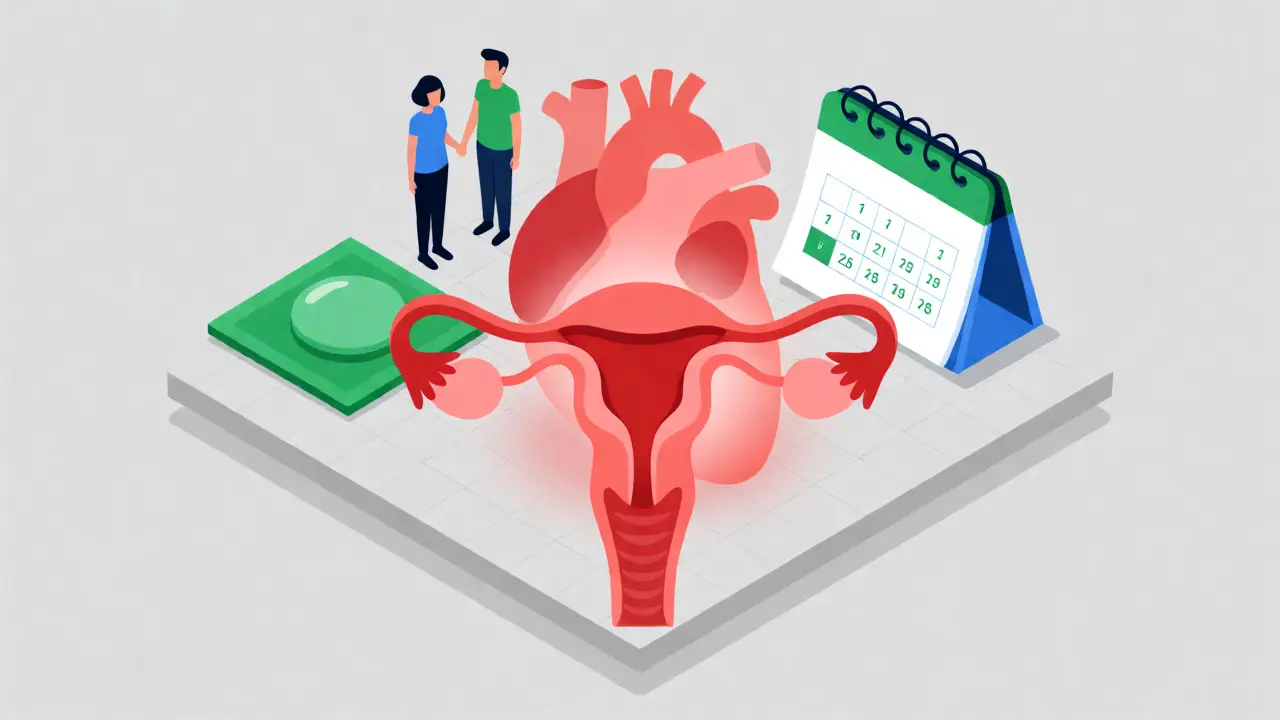
Treating yourself is only half the battle. If you don’t treat your partners, you will likely get reinfected. CDC guidelines recommend notifying all sexual partners from the past 60 days for chlamydia and gonorrhea, and up to 90 days for syphilis. Many regions allow expedited partner therapy (EPT), where you can deliver medication to your partner without them seeing a doctor first, though laws vary by location.
Condoms remain your best physical barrier. Consistent use reduces chlamydia and gonorrhea transmission by 60-90%. However, condoms do not cover all skin-to-skin contact areas, which is why syphilis can still transmit if sores are outside the covered area.
Consider vaccination status and PrEP. While there is no vaccine for chlamydia or gonorrhea, being on HIV PrEP indicates high-risk exposure, making regular STI screening even more vital. Untreated STIs increase HIV acquisition risk by 2-5 fold due to inflammation and open sores.
The Long-Term Impact of Untreated Infections
Ignoring these infections has costs beyond the immediate. Untreated chlamydia leads to pelvic inflammatory disease (PID) in 10-15% of women. PID causes scarring in the fallopian tubes, increasing ectopic pregnancy risk six-fold and causing tubal factor infertility in up to 20% of cases.
Gonorrhea can spread to the epididymis in men, causing pain and potential infertility. Syphilis, if it reaches the tertiary stage, can cause blindness, dementia, and cardiovascular collapse. The economic burden is staggering, with direct medical costs exceeding $16 billion annually in the US alone.
We are also seeing a resurgence in congenital syphilis, with cases rising sharply in recent years. This underscores the importance of screening pregnant women at their first prenatal visit and again at 28 weeks in high-prevalence areas.
Can I get tested for STIs at home?
Yes, home testing kits are widely available. They usually involve collecting a urine sample or self-swabbing and mailing it to a lab. Results are sent via email or app. Ensure the kit is CLIA-certified for accuracy.
How long after exposure should I wait to test?
There is a "window period." For chlamydia and gonorrhea, nucleic acid amplification tests (NAATs) are accurate 1-2 weeks after exposure. For syphilis, blood tests may take 3-6 weeks to turn positive. Testing too early can result in false negatives.
Are these STIs curable?
Yes, chlamydia, gonorrhea, and syphilis are bacterial and fully curable with appropriate antibiotics. Viral STIs like herpes and HIV are manageable but not curable. Early treatment prevents permanent damage.
What is DoxyPEP and should I take it?
DoxyPEP involves taking doxycycline after sex to prevent STIs. Current guidelines primarily recommend it for MSM and transgender women on HIV PrEP. Evidence for effectiveness in cisgender women is lacking, so consult your provider before starting.
Can I get infected again after treatment?
Absolutely. Having an STI once does not give you immunity. Reinfection is common, especially if partners are not treated. Retesting 3 months after treatment is standard advice for young adults.


