Serotonin Syndrome Symptom Checker
Select Your Symptoms
MENTAL STATUS
NEUROMUSCULAR
AUTONOMIC
GI & OTHER
Risk Assessment
Hunter Criteria Score Scale
Disclaimer: This tool is for educational purposes only and does not constitute medical advice. If you suspect Serotonin Syndrome, seek emergency medical attention immediately.
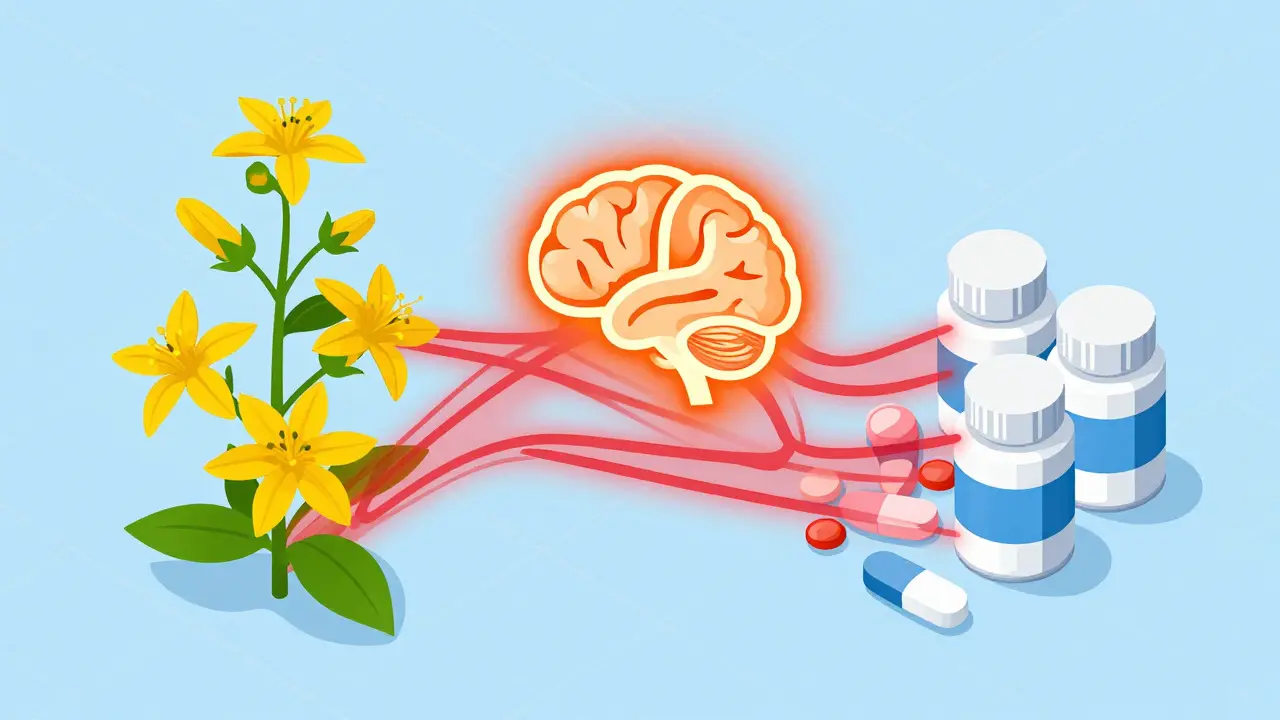
You might think that because it comes from a plant, St. John’s Wort is a harmless herbal supplement for mild depression. You’re not alone in thinking that. Millions of people reach for this yellow-flowered herb when they want a "natural" alternative to prescription antidepressants. But here is the hard truth: mixing St. John’s Wort with Selective Serotonin Reuptake Inhibitors (SSRIs) is not just ineffective-it can be deadly.
This combination creates a perfect storm inside your body known as Serotonin Syndrome, a potentially life-threatening condition caused by excessive serotonin accumulation. It’s not a rare side effect; it’s a predictable chemical clash. If you are taking medications like sertraline, fluoxetine, or paroxetine, adding this herb to your routine could trigger symptoms ranging from severe agitation to organ failure. Understanding exactly how this happens-and why doctors warn against it-is crucial for your safety.
Why Mixing Herbs and Meds Is Dangerous
To understand the risk, we need to look at what these substances actually do. SSRIs, such as Sertraline (Zoloft), Fluoxetine (Prozac), and Citalopram (Celexa), work by blocking the reabsorption of serotonin in your brain. This keeps more serotonin available to help regulate your mood. St. John’s Wort does something similar. It also inhibits serotonin reuptake, but it goes further by acting as a weak monoamine oxidase inhibitor (MAOI).
When you combine them, you aren’t getting a gentle boost. You are doubling down on serotonin production without a brake pedal. Imagine pouring two full cups of coffee into one mug-the liquid doesn’t just get stronger; it spills over. In your nervous system, that overflow causes cells to become overstimulated. This isn’t about efficacy; it’s about toxicity. The European Psychiatric Association’s 2025 review highlighted that nearly all severe cases of serotonin syndrome involving this herb occurred alongside SSRI use. The body simply cannot handle that much neurotransmitter activity at once.
The Hidden Mechanism: Enzyme Induction
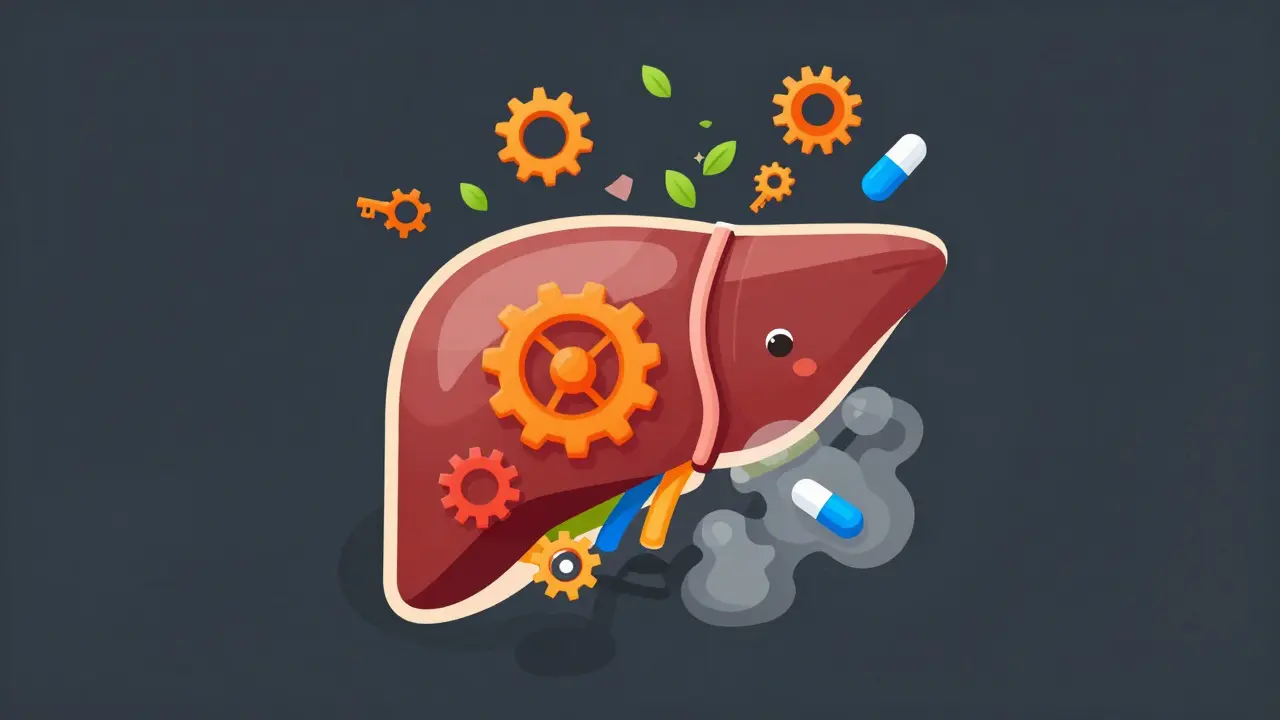
There is another layer to this danger that most people miss. It’s not just about serotonin levels; it’s about how your liver processes drugs. St. John’s Wort contains a compound called Hyperforin, which activates the pregnane X receptor (PXR) in the liver. Think of PXR as a switch that turns up the volume on your liver’s detoxification enzymes, specifically the Cytochrome P450 family (like CYP3A4 and CYP2C19).
When these enzymes are hyperactive, they metabolize other medications too quickly. For some SSRIs, this means the drug leaves your system before it can work, leading to a sudden return of depressive symptoms. For others, the interaction is chaotic. While the herb speeds up the breakdown of certain drugs, its direct pharmacodynamic effect still pumps up serotonin. This dual action-changing drug levels while simultaneously increasing neurotransmitter activity-creates an unpredictable and dangerous physiological state. A study published in *JAMA Internal Medicine* in 2021 found that only about 33% of patients disclose their herbal supplement use to doctors, largely because they view herbs as "safe." This silence is what makes these interactions so frequent and often undiagnosed until it’s too late.
Recognizing Serotonin Syndrome Early
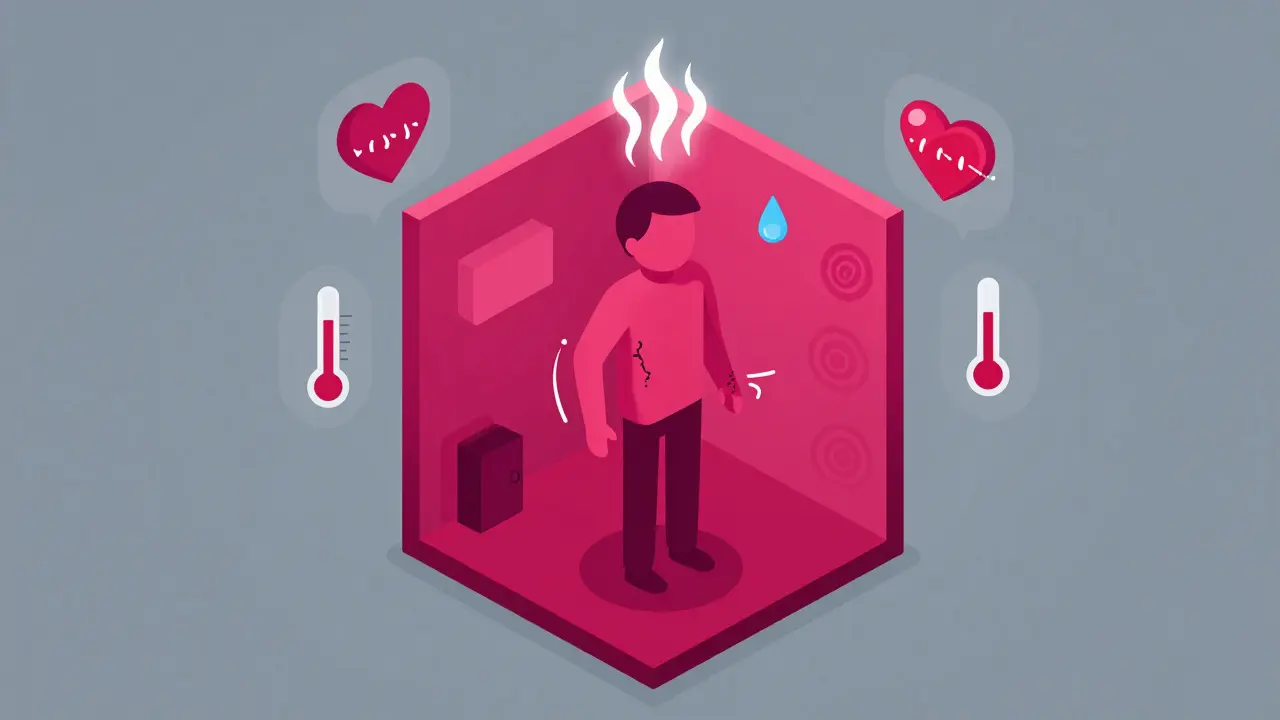
Serotonin syndrome doesn’t always announce itself with dramatic flair. It often starts subtly, mimicking anxiety or a bad case of the flu. Knowing the signs can save your life. The Hunter Serotonin Toxicity Criteria helps clinicians diagnose this condition, but you should watch for these red flags yourself:
- Mental Status Changes: Sudden confusion, agitation, or feeling "out of it."
- Neuromuscular Issues: Tremors, muscle rigidity, twitching (myoclonus), or loss of coordination.
- Autonomic Dysfunction: Heavy sweating (diaphoresis), rapid heart rate, high blood pressure, or dilated pupils.
- Gastrointestinal Distress: Nausea, vomiting, or diarrhea.
- Fever: In severe cases, body temperature can spike dangerously high (>41°C / 106°F).
If you start taking St. John’s Wort alongside an SSRI and notice any combination of these symptoms within 24 hours to two weeks, seek medical attention immediately. Severe cases can progress to rhabdomyolysis (muscle breakdown), kidney failure, and disseminated intravascular coagulation (blood clotting issues). This is not a "wait and see" situation.
Which SSRIs Are Most Risky?
Not all SSRIs interact in the exact same way, but all carry significant risk. The danger depends partly on which liver enzyme breaks down your specific medication.
| SSRI Medication | Primary Metabolism Pathway | Interaction Type | Risk Level |
|---|---|---|---|
| Sertraline (Zoloft) | CYP2C19 / CYP3A4 | Pharmacokinetic + Pharmacodynamic | High |
| Paroxetine (Paxil) | CYP2D6 | Primarily Pharmacodynamic | High |
| Fluoxetine (Prozac) | CYP2D6 / CYP2C9 | Primarily Pharmacodynamic | High |
| Escitalopram (Lexapro) | CYP2C19 / CYP3A4 | Pharmacokinetic + Pharmacodynamic | High |
| Citalopram (Celexa) | CYP2C19 / CYP3A4 | Pharmacokinetic + Pharmacodynamic | High |
Medications like sertraline and escitalopram are metabolized by CYP2C19 and CYP3A4, enzymes that St. John’s Wort aggressively induces. This can lower the blood levels of the drug, making it seem like the medication isn’t working, prompting patients to increase their dose-which then spikes serotonin levels dangerously when the herb’s effects fluctuate. Paroxetine and fluoxetine rely more on CYP2D6, which is less affected by the herb’s enzyme induction, but they still pose a massive risk due to the additive serotonin effect. The bottom line? There is no "safe" SSRI to mix with this herb.
Beyond Antidepressants: Other Dangerous Interactions
The danger of St. John’s Wort extends far beyond mental health medications. Because it supercharges liver enzymes, it reduces the effectiveness of many critical drugs. If you take any of the following, adding this herb could lead to treatment failure:
- Hormonal Contraceptives: Studies show St. John’s Wort can reduce birth control pill effectiveness by 30-50%, leading to unplanned pregnancies. Documented cases show pregnancy rates rising significantly among users.
- Immunosuppressants: Drugs like cyclosporine and tacrolimus, used by transplant patients, can drop by 50-70% in blood concentration, risking organ rejection.
- Anticoagulants: Warfarin levels can decrease, reducing its ability to prevent blood clots.
- Antiseizure Medications: Phenytoin and carbamazepine levels may drop by 20-40%, increasing seizure risk.
- HIV Protease Inhibitors: Drug absorption can plummet, compromising viral suppression.
This broad impact is why regulatory bodies like the FDA and the European Medicines Agency treat St. John’s Wort with extreme caution. In Canada, it was restricted to prescription-only status in 2023 after multiple reports of severe adverse events. In the US, it remains an over-the-counter supplement, which creates a dangerous gap between availability and safety awareness.
What Should You Do Instead?
If you are struggling with depression and looking for alternatives, don’t gamble with your neurochemistry. Here is a safer approach:
- Consult Your Doctor First: Never start an herbal supplement without telling your prescriber. Be honest about everything you put in your body.
- Consider Therapy: Cognitive Behavioral Therapy (CBT) and other talk therapies have strong evidence bases for mild to moderate depression without physical side effects.
- Review Your Current Meds: If your current SSRI isn’t working, ask about switching classes (e.g., to SNRIs or atypical antidepressants) rather than adding unregulated supplements.
- Use Standardized Sources: If you must use St. John’s Wort for mild symptoms *without* prescription meds, ensure it is standardized to 0.3% hypericin, but stop immediately if you feel unusual agitation or physical changes.
The Cleveland Clinic explicitly states that the risks of combining St. John’s Wort with SSRIs significantly outweigh any potential benefits. The American Psychiatric Association’s 2022 guidelines contraindicate this combination entirely. Your brain chemistry is complex enough without introducing wildcards. Stick to proven treatments and keep your healthcare team in the loop.
Can I take St. John’s Wort if I stopped my SSRI last week?
No. Most SSRIs have long half-lives, meaning they stay in your system for days or even weeks after your last dose. For example, fluoxetine can remain active for several weeks. Experts recommend a washout period of at least two weeks after stopping an SSRI before starting St. John’s Wort, and vice versa, to avoid residual interactions. Always consult your doctor for a specific timeline based on your medication.
Is St. John’s Wort effective for depression on its own?
Research suggests it may be effective for mild to moderate depression, showing comparable results to some standard antidepressants in European studies. However, it is generally not recommended for severe depression. Its efficacy varies widely due to lack of strict manufacturing standards, and it carries significant interaction risks that limit its safe use.
How quickly does serotonin syndrome develop?
Symptoms can appear rapidly, often within 24 hours to 14 days of starting the combination. Because onset can be delayed, monitor yourself closely during the first two weeks of any new supplement regimen, especially if you are on psychiatric medications.
Are there safer herbal alternatives to St. John’s Wort?
Some herbs like saffron extract have shown promise for mild depression with fewer known severe drug interactions, though data is still emerging. However, "natural" does not mean "interaction-free." Always verify with a pharmacist or doctor before trying any herbal remedy alongside prescription drugs.
Why is St. John’s Wort sold over-the-counter in the US?
Under the Dietary Supplement Health and Education Act of 1994 (DSHEA), supplements like St. John’s Wort do not require pre-market approval for safety or efficacy by the FDA. They are regulated differently than pharmaceutical drugs, which allows them to be sold without prescriptions, despite known serious risks.