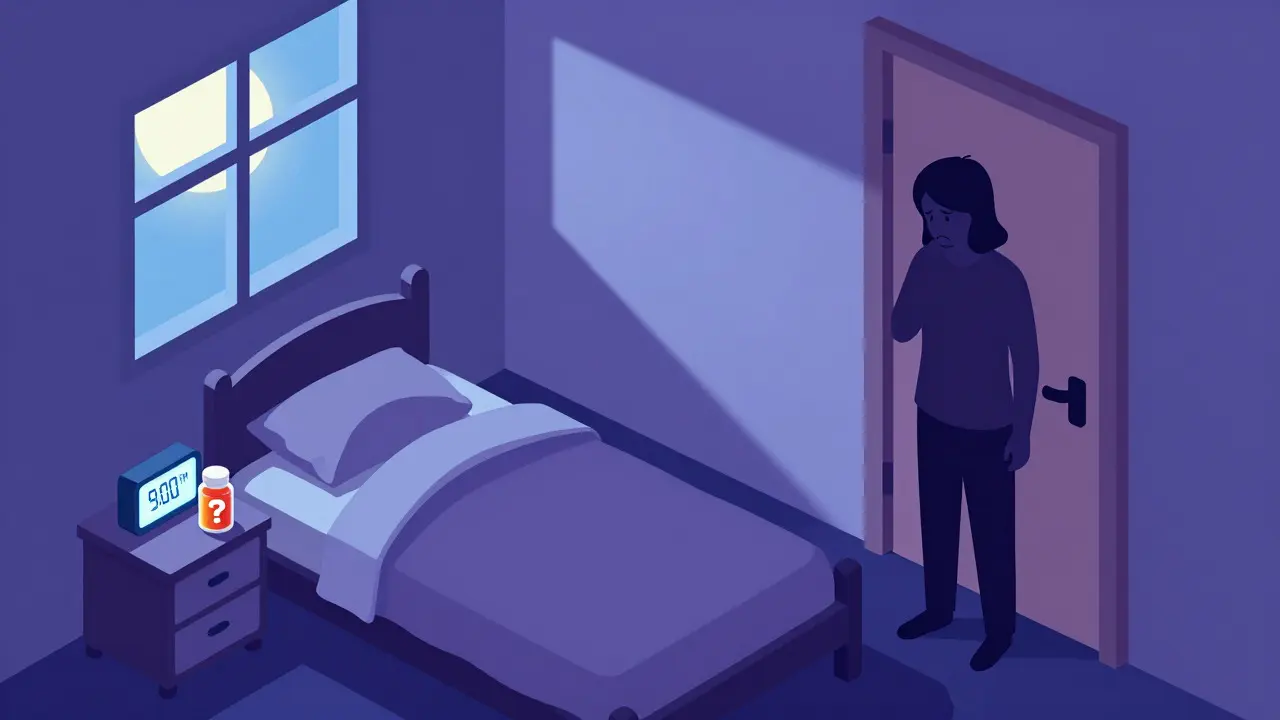
It is nearly 9 PM. Your child is wide awake, bouncing off the walls, while you are counting down the minutes until your own head hits the pillow. The temptation to reach for that bottle of gummy bears labeled Melatonin, a hormone supplement often marketed as a gentle sleep aid is strong. It feels natural. It is over-the-counter. Surely it cannot be harmful?
Here is the hard truth: we do not actually know if long-term melatonin use is safe for children. While short-term use appears generally low-risk under medical supervision, the data on growing bodies taking this hormone nightly is thin. Yet, usage has skyrocketed. According to data from the Centers for Disease Control and Prevention (CDC), melatonin use among children jumped by 530% between 1999-2000 and 2011-2012. Today, roughly 3.1% of children aged 4 to 17 take it regularly.
This article cuts through the marketing hype and conflicting advice to give you the facts about dosing, timing, safety risks, and when to put the bottle back on the shelf.
Understanding Melatonin: Hormone vs. Supplement
To understand why caution is necessary, you first need to understand what melatonin actually is. It is not a sedative like an adult sleeping pill. It is a hormone produced naturally by the pineal gland, a small structure in the brain that regulates circadian rhythms. Its job is to signal to the body that it is dark outside and time to prepare for sleep. It was first isolated by researchers at Yale University in 1958.
The confusion arises because of how it is regulated. In the United States, melatonin is classified as a dietary supplement under the Dietary Supplement Health and Education Act (DSHEA) of 1994. This means it does not undergo the rigorous testing required for pharmaceuticals before hitting store shelves. In contrast, in the United Kingdom and many European countries, melatonin is a prescription-only medication. This regulatory gap creates a false sense of security for American parents who assume "natural" equals "safe."
The American Academy of Pediatrics (AAP) explicitly states that melatonin should be considered a medication, not a benign candy. Their 2023 position statement emphasizes that while short-term use seems relatively safe, "more research is needed about its long-term use." There are no FDA-approved specific dosage recommendations for children because the evidence simply isn't there yet.
Dosage Confusion: Starting Low and Going Slow
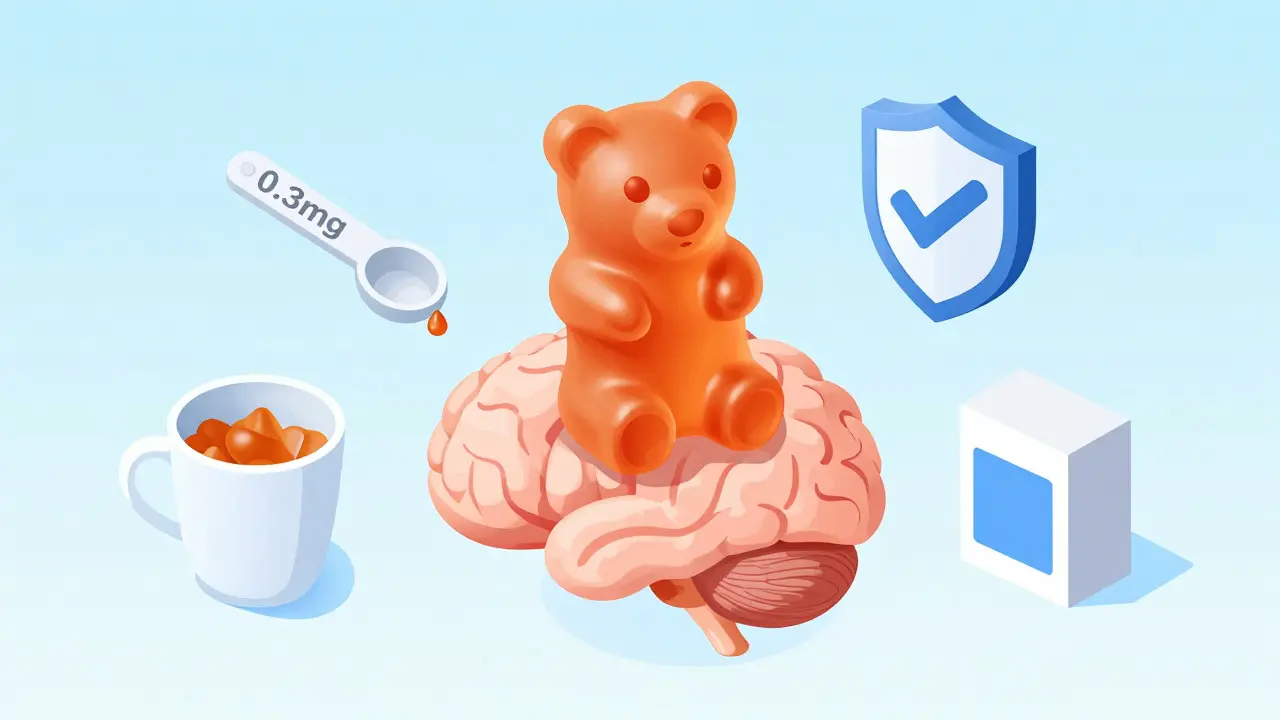
If you decide, with your pediatrician's approval, to try melatonin, the most common mistake parents make is giving too much. You might see bottles with 5 mg, 10 mg, or even higher doses per gummy. For a child, this is often excessive.
Physiologically, the human body produces very small amounts of melatonin. A 2024 systematic review published in PubMed Central noted that administering just 0.3 mg can reach levels similar to what the body makes naturally. Doses above 1 mg are already above physiologic levels. Taking more than 10 mg can result in concentrations in the blood that persist for over 24 hours-levels more than 100 times higher than what adults normally experience.
| Age Group | General Recommendation (mg) | Maximum Cautionary Limit |
|---|---|---|
| Under 3 years | Avoid unless prescribed | N/A |
| Toddlers/Preschool (3-5 years) | 1 - 3 mg | Consult Pediatrician |
| School-Age (6-12 years) | 1 - 5 mg | Start at lowest dose |
| Adolescents (13-18 years) | 1 - 10 mg | 12 mg (per CHOA) |
Note the variation in expert advice. Children's Healthcare of Atlanta suggests up to 5 mg for ages 5-10, while the Sleep Foundation recommends a stricter 1-3 mg for school-age children. The Canadian Paediatric Society recommends even lower doses, starting at 1 mg for infants and 2.5-3 mg for older children. The golden rule across all these sources is simple: start at the lowest possible dose and increase gradually only if necessary. Most children respond well to lower doses compared to higher ones.
Timing Matters: When to Give It
Giving melatonin at the wrong time can disrupt your child's sleep cycle rather than help it. Since melatonin signals the onset of sleepiness, timing is critical. The consensus among sleep specialists, including those at Children's Colorado and the NHS, is to administer the dose 30 to 60 minutes before bedtime. Some experts extend this window to 90 minutes depending on the formulation.
Why this window? Pharmacokinetic studies show that oral melatonin takes time to absorb and peak in the bloodstream. If you give it right as they get into bed, it may not kick in until they are already frustrated and wired. If you give it too early, the effects might wear off before they are ready to sleep, or worse, cause grogginess the next morning.
Special Populations: Autism and ADHD
The conversation changes slightly for children with neurodevelopmental disorders. Children diagnosed with Autism Spectrum Disorder (ASD), a developmental condition affecting communication and behavior or Attention-Deficit/Hyperactivity Disorder (ADHD), a disorder characterized by inattention and hyperactivity often have significant sleep onset difficulties. Studies suggest that for these groups, the benefits of quality sleep outweigh the theoretical risks of melatonin.
A 2015 study documented that dosages for children with special needs can vary widely, from 0.5 mg to 10 mg, reflecting the need for individualized care. Dr. Sarah Malik from Children's Healthcare of Atlanta notes that kids with ADD or ASD may take melatonin for longer periods than the typical two-to-three-week trial recommended for neurotypical children. However, this should always be done under strict medical supervision, as these children may also be taking other medications that could interact with melatonin.
Safety Risks and Quality Control
Even though melatonin is "natural," it is not without risks. One major issue is product quality. Because the US market is unregulated, a 2022 study in JAMA Network Open found significant discrepancies between the amount of melatonin listed on the label and what was actually in the bottle. Some products contained far less, while others had much more than advertised. To mitigate this, the American Academy of Sleep Medicine (AASM) recommends selecting products with the USP Verified Mark, which ensures the contents match the label.
Overdose symptoms, while rare, can be serious. They include vomiting, rapid heart rhythm, and low blood pressure. If your child accidentally consumes a large amount, seek immediate medical attention. Additionally, melatonin is generally not recommended for children under age 3. At this age, sleep issues often resolve naturally with time and routine adjustments, and the long-term impact on their developing hormonal systems is unknown.
Sleep Hygiene: The First Line of Defense
Before reaching for any supplement, experts agree that you must exhaust all behavioral strategies. Melatonin should never be used to force a child to sleep or as a substitute for a good bedtime routine. The AASM’s 2023 Health Advisory stresses that many sleep problems are better managed by changing schedules, habits, or behaviors.
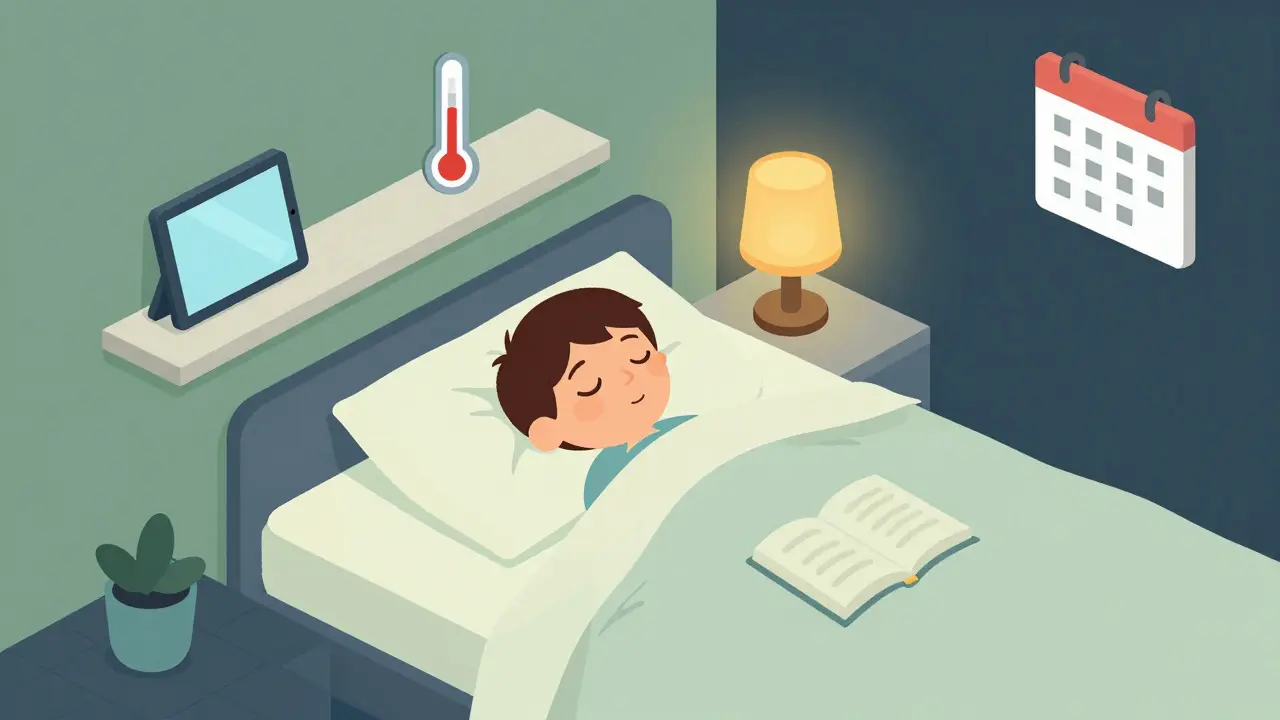
- Consistent Schedule: Wake up and go to bed at the same time every day, even on weekends.
- Light Management: Limit screen time (phones, tablets, TV) at least one hour before bed. Blue light suppresses natural melatonin production.
- Calm Environment: Ensure the bedroom is cool, dark, and quiet.
- Routine: Establish a predictable wind-down ritual, such as reading a book or taking a warm bath.
If these steps are in place and your child still struggles, then-and only then-should you consider discussing melatonin with your pediatrician. Remember, the goal is healthy sleep habits, not dependency on a supplement.
Is melatonin safe for toddlers under 3 years old?
Generally, no. Major health organizations, including Children's Health, recommend against using melatonin for children under 3 unless specifically directed by a pediatrician. Sleep issues in this age group often resolve naturally, and the long-term effects on developing brains are not well understood.
How long can a child take melatonin?
For most children, melatonin should be used short-term, typically no longer than two to three weeks. It is intended to help reset the sleep cycle, not as a permanent solution. Children with neurodevelopmental disorders like ASD or ADHD may use it longer under strict medical supervision.
What are the side effects of melatonin in children?
Common side effects can include morning grogginess, headaches, dizziness, or stomach upset. In cases of overdose or sensitivity, symptoms may include vomiting, rapid heart rate, and low blood pressure. Long-term side effects remain largely unstudied.
Does the FDA regulate melatonin supplements?
No. In the United States, melatonin is regulated as a dietary supplement, not a drug. This means manufacturers do not need FDA approval before selling it, and quality control is not strictly enforced. Look for third-party verification like the USP Verified Mark to ensure accuracy.
When should I talk to my doctor about melatonin?
You should always consult your pediatrician before starting melatonin, especially if your child is under 12, has underlying health conditions, takes other medications, or has been struggling with sleep for more than a few weeks despite good sleep hygiene practices.


