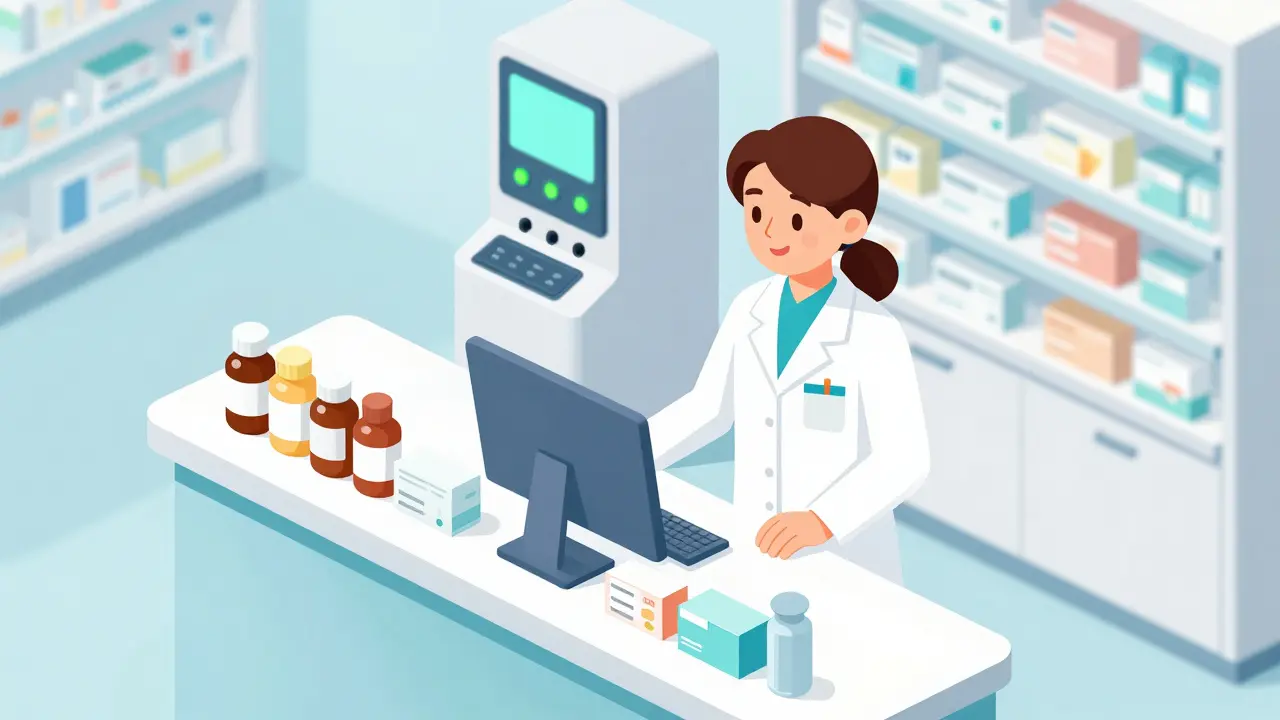
Medication errors are not just statistics; they are preventable tragedies that happen when systems fail. In the United States alone, these errors contribute to approximately 250,000 deaths annually, a figure that has driven healthcare organizations to adopt stricter protocols. At the heart of this effort are the National Patient Safety Goals, specifically designed by The Joint Commission to standardize care and protect patients from harm during critical processes like medication dispensing.
If you work in pharmacy practice or healthcare administration, understanding these goals is no longer optional-it is a regulatory requirement and a moral imperative. The landscape of patient safety has evolved significantly since the Institute of Medicine’s landmark 1999 report, *To Err Is Human*. Today, we have specific, measurable targets to reduce risks associated with high-alert medications, automated dispensing cabinets, and communication breakdowns.
Understanding the Core Framework of National Patient Safety Goals
The National Patient Safety Goals (NPSGs) are annual objectives established by The Joint Commission, a healthcare accrediting body founded in 1951. First implemented in 2003, these goals provide a common improvement framework for healthcare organizations to focus on timely and crucial safety issues. While there are six primary areas-identifying patients correctly, improving staff communication, using medicines safely, preventing infection, identifying patient safety risks, and preventing surgical mistakes-the goal most relevant to pharmacy practice is NPSG.03: Use Medicines Safely.
This specific goal targets reducing errors across the entire medication use process: ordering, dispensing, administering, and monitoring. According to 2021 data from the Agency for Healthcare Research and Quality (AHRQ), medication-related errors contribute to at least 1 out of every 131 outpatient deaths and 1 in every 8,548 inpatient deaths. The 2025 NPSGs continue to prioritize this area, introducing updated standards to address emerging risks such as automated dispensing cabinet overrides and the management of high-alert medications.
| Framework | Authority | Adoption Rate | Primary Focus |
|---|---|---|---|
| NPSGs | The Joint Commission | Mandatory for accredited hospitals (~96% of U.S. acute care) | Minimum compliance standards |
| ISMP Best Practices | Institute for Safe Medication Practices | Voluntary (~68% of large hospital systems) | Targeted interventions for high-risk scenarios |
| Five Rights | Traditional Nursing Standard | Universal but criticized as insufficient | Individual verification steps |
Critical Standards for Medication Dispensing and Labeling
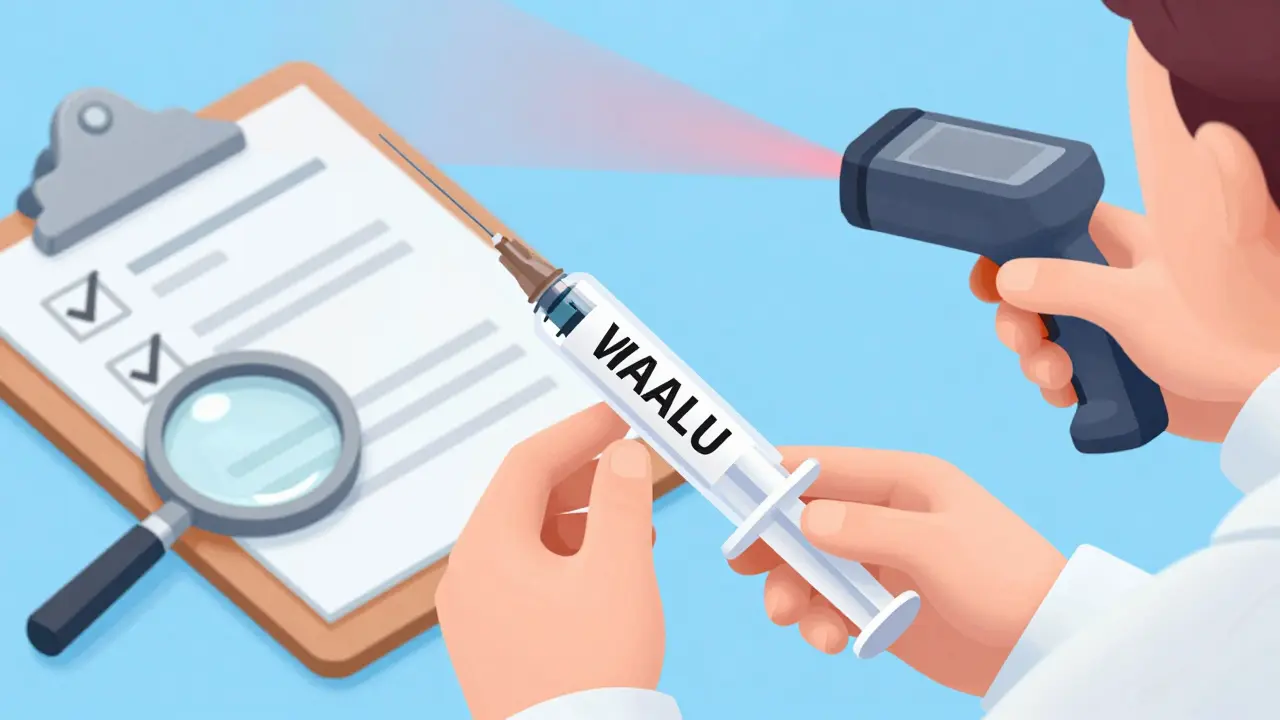
One of the most tangible aspects of the NPSGs is NPSG.03.04.01, which mandates that all medications, medication containers, and other solutions be labeled correctly. This applies both on and off the sterile field in perioperative settings. Why is this so critical? Misidentified medications are a leading cause of adverse drug events. The standard requires labels to include the drug name, strength, and concentration, using a minimum 10-point font size for readability. Despite this clear directive, 27% of operating rooms still use unlabeled syringes, highlighting a significant gap between policy and practice.
Another key component is NPSG.03.05.01, which focuses on reducing harm from anticoagulant therapy. Anticoagulants are high-alert medications where small dosing errors can lead to severe bleeding or thrombosis. Compliance requires standardized practices including patient education, International Normalized Ratio (INR) monitoring protocols, and documentation of therapeutic ranges. Facilities aim for a 95% compliance rate, measured quarterly. This isn't just about paperwork; it's about creating a system where the right dose is verified through multiple checks before it ever reaches the patient.
High-Alert Medications and Automated Dispensing Cabinets
The rise of technology in pharmacy has introduced new risks alongside benefits. Automated dispensing cabinets (ADCs) have streamlined access to medications, but they also present unique challenges. The 2025 NPSGs emphasize the need for robust override management. An "override" occurs when a clinician bypasses the ADC's security protocols to access a medication, often during emergencies. However, facilities with override rates exceeding the recommended 5% threshold show 3.7 times more medication errors. Currently, 34% of pharmacists report override rates above this limit, primarily for "stat" medications.
To mitigate this, pharmacies must implement proactive risk assessments for emergent medication needs. This includes ensuring that emergency kits are stocked appropriately so that overrides are truly reserved for life-threatening situations rather than convenience. Additionally, the ISMP Targeted Medication Safety Best Practices identify 19 specific high-risk scenarios requiring intervention. One notable example is preventing serious tissue injuries from injectable promethazine, which caused 37 documented amputations between 2006 and 2018 due to improper injection techniques. Verifying patient opioid status before administration is another critical step to prevent respiratory depression and overdose.
Beyond the Five Rights: A System-Level Approach
For decades, the "Five Rights of Medication Administration" (right patient, right drug, right dose, right route, right time) have been considered the gold standard. However, modern safety science suggests this approach is insufficient on its own. The Institute for Healthcare Improvement (IHI) notes that 83% of medication errors occur despite nurses confirming all five rights. Why? Because the Five Rights place undue responsibility on individual clinicians rather than addressing system design flaws.
A 2023 survey of 1,200 nurses published in the *American Journal of Nursing* found that 78% believe the Five Rights framework fails to account for real-world constraints, such as 12-hour shifts with high patient loads. Instead, experts advocate for a system-level approach, similar to Australia's ASHP guidelines, which emphasize standardized procedures, barcode systems, and staff training. This shift moves the focus from blaming individuals to fixing processes. For instance, implementing barcode-assisted medication administration technology has reduced wrong-drug errors by 86% in some hospitals, although it may increase workflow time slightly.
Implementation Strategies and Challenges
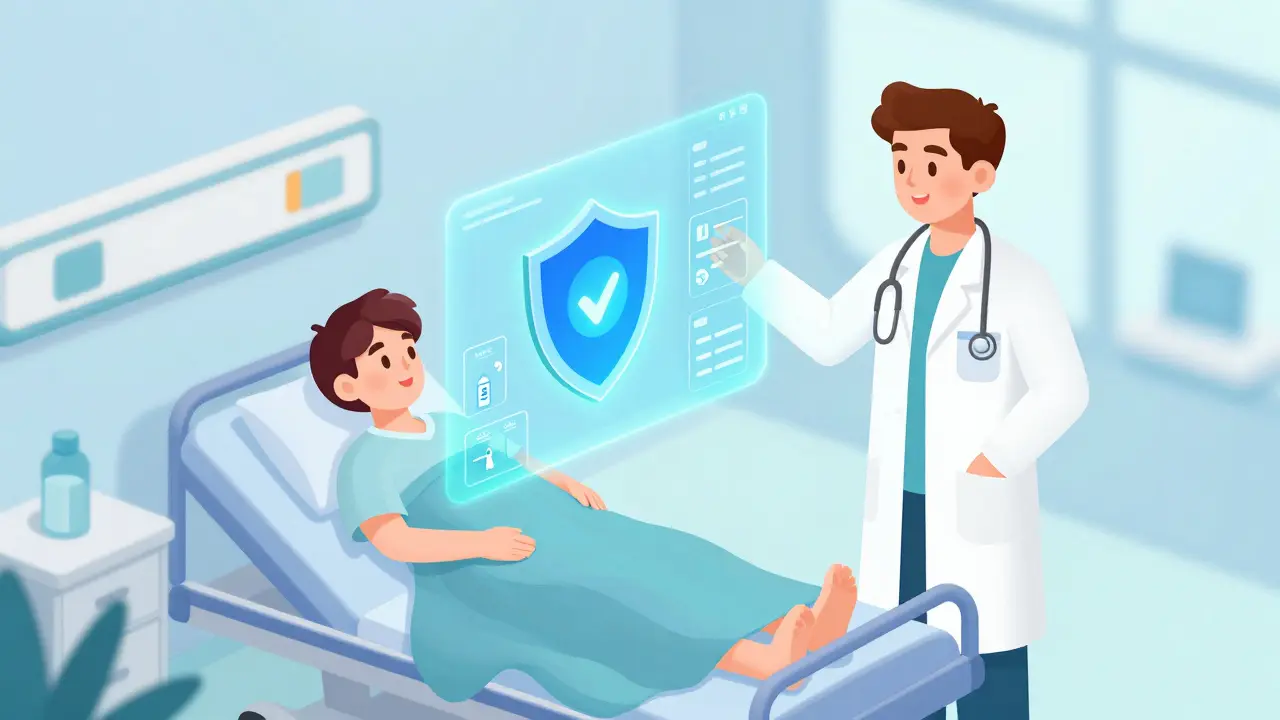
Implementing these safety goals is not a quick fix. The Joint Commission recommends a 12-18 month timeline for full integration. Initial assessment takes 2-4 weeks, followed by staff training requiring 8-12 hours per clinician. Full system integration, including electronic health record (EHR) connectivity and clinical decision support systems, can take 6-12 months. Common challenges include insufficient staff training-with 38% of facilities reporting less than 4 hours of annual medication safety training per staff member-and inadequate leadership support.
Success stories demonstrate what is possible with dedicated resources. Children's Hospital of Philadelphia implemented the Pediatric Medication Safety Model, which includes weight-based dosing protocols and double-check requirements for high-alert medications. This reduced weight-based dosing errors by 91%. Key to their success was executive sponsorship and dedicated pharmacy leadership. KLAS Research indicates that medication safety programs with these elements achieve an 89% sustainability rate beyond five years, compared to only 42% for programs without them.
The Role of Technology and AI in Future Safety
As we look toward 2026 and beyond, technology will play an increasingly vital role in patient safety. The global patient safety software market, valued at $1.87 billion in 2022, is projected to reach $4.03 billion by 2028. Artificial intelligence is emerging as a powerful tool for predictive error detection. Pilot programs at Mayo Clinic have shown a 47% reduction in potential adverse drug events through AI-powered clinical decision support. These systems can analyze patient history, current medications, and lab results to flag potential interactions before a prescription is even dispensed.
Furthermore, the World Health Organization's Global Patient Safety Action Plan 2021-2030 calls for universal adoption of medication safety standards by 2030. While high-income countries have achieved a 63% adoption rate, low- and middle-income nations lag at 22%. Bridging this gap requires not just technology, but also education and infrastructure development. For pharmacy practitioners, staying ahead means embracing these technologies while maintaining a human-centered approach to care.
What are the National Patient Safety Goals (NPSGs)?
The NPSGs are annual objectives developed by The Joint Commission to address critical areas of patient safety in healthcare settings. They cover six primary areas, including correct patient identification, staff communication, safe medicine use, infection prevention, risk identification, and surgical mistake prevention. For pharmacy practice, the goal focused on using medicines safely is particularly relevant.
Why are automated dispensing cabinet (ADC) overrides a concern?
ADC overrides allow clinicians to bypass security protocols to access medications quickly. While necessary in emergencies, high override rates (above 5%) are correlated with a 3.7-fold increase in medication errors. This suggests that overrides are often used for convenience rather than true emergencies, increasing the risk of dispensing the wrong drug or dose.
Are the Five Rights of Medication Administration still sufficient?
While the Five Rights (right patient, drug, dose, route, time) remain foundational, they are no longer considered sufficient on their own. Studies show that 83% of medication errors occur even when these rights are confirmed. Modern safety frameworks emphasize system-level interventions, such as barcode scanning and standardized protocols, to reduce reliance on individual memory and vigilance.
How do high-alert medications impact patient safety goals?
High-alert medications, such as anticoagulants and opioids, carry a higher risk of causing severe patient harm if used incorrectly. The NPSGs require specific protocols for these drugs, including double-checks, specialized labeling, and strict monitoring. For example, NPSG.03.05.01 mandates standardized practices for anticoagulant therapy to reduce harm.
What is the role of AI in medication safety?
Artificial intelligence is being integrated into clinical decision support systems to predict and prevent medication errors. By analyzing patient data in real-time, AI can flag potential drug interactions, dosing errors, or allergies before a medication is dispensed. Pilot programs have shown significant reductions in adverse drug events, making AI a promising tool for future pharmacy practice.