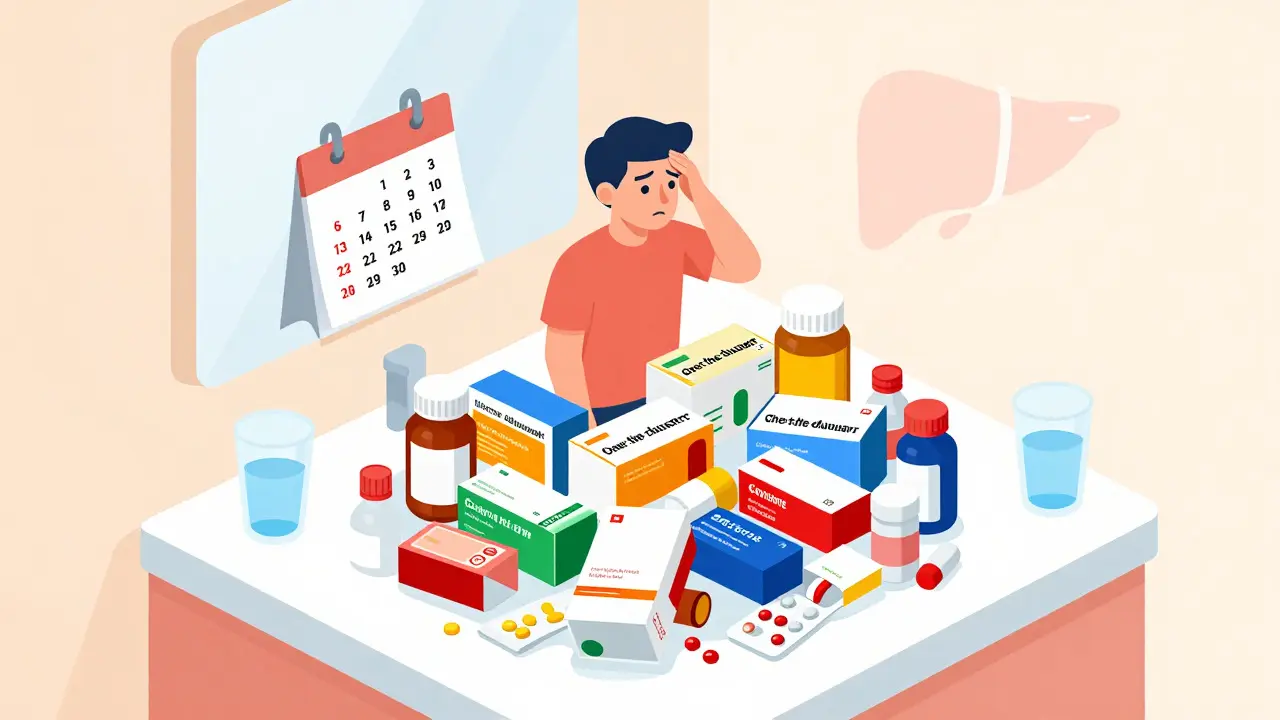
You might think that taking an extra painkiller because the first one didn't work is just a minor slip-up. In reality, it could be the difference between managing a headache and ending up in the emergency room with gastrointestinal bleeding. Medication safety isn't just about following instructions; it's about understanding why those instructions exist. Many dangerous health outcomes stem not from bad drugs, but from good intentions based on wrong assumptions.
Every year, millions of people make choices about their health that are rooted in myths rather than facts. From believing that over-the-counter (OTC) meds are risk-free to assuming that herbal supplements never interact with prescriptions, these misconceptions are widespread. If you take any kind of medication, whether prescribed or bought off the shelf, knowing the truth behind these common beliefs can save your life. Here is what the data actually says versus what we often hear.
The "Safe" OTC Trap
One of the most persistent myths is that if you can buy a medicine without a prescription, it must be completely safe. A 2023 survey found that 72% of patients believe this. However, acetaminophen is a widely used pain reliever and fever reducer available over the counter. It is also known as paracetamol in many countries. While effective, it has a narrow safety margin. The FDA recommends a maximum daily dose of 3,000mg, yet many products contain 500mg or 650mg per tablet. It is easy to accidentally exceed this limit by combining different cold and flu remedies that all contain acetaminophen.
Exceeding the limit doesn't just mean you feel better; it means your liver works overtime. Acetaminophen overdose accounts for approximately 56,000 emergency room visits and 500 deaths annually in the US. Pharmacist Marcia Wyman notes that the recommended dose is a careful calculation based on years of research, not a suggestion. So, when you reach for that second box of cold medicine, check the label. If it contains acetaminophen, count the milligrams, not the pills.
More Isn't Always Better
We have all been there: the pain isn't going away, so we take another pill. This logic leads to the myth that higher doses equal faster relief. But for many drugs, the benefit plateaus while the side effects skyrocket. Take ibuprofen, for example. It is a non-steroidal anti-inflammatory drug (NSAID). Most people know they shouldn't take too much, but few realize how quickly the risk changes. A study in JAMA Internal Medicine showed that taking more than 1,200mg of ibuprofen in 24 hours increases the risk of gastrointestinal bleeding by 4.5 times.
This isn't just theoretical. For patients with existing stomach issues or those who take blood thinners, this jump in risk is critical. The body absorbs only a certain amount of the active ingredient effectively. Once you pass that threshold, you aren't getting more pain relief; you are just adding stress to your kidneys and stomach lining. Stick to the labeled dose, and if it’s not working after a few days, talk to a doctor instead of doubling up.
Finishing the Course Matters
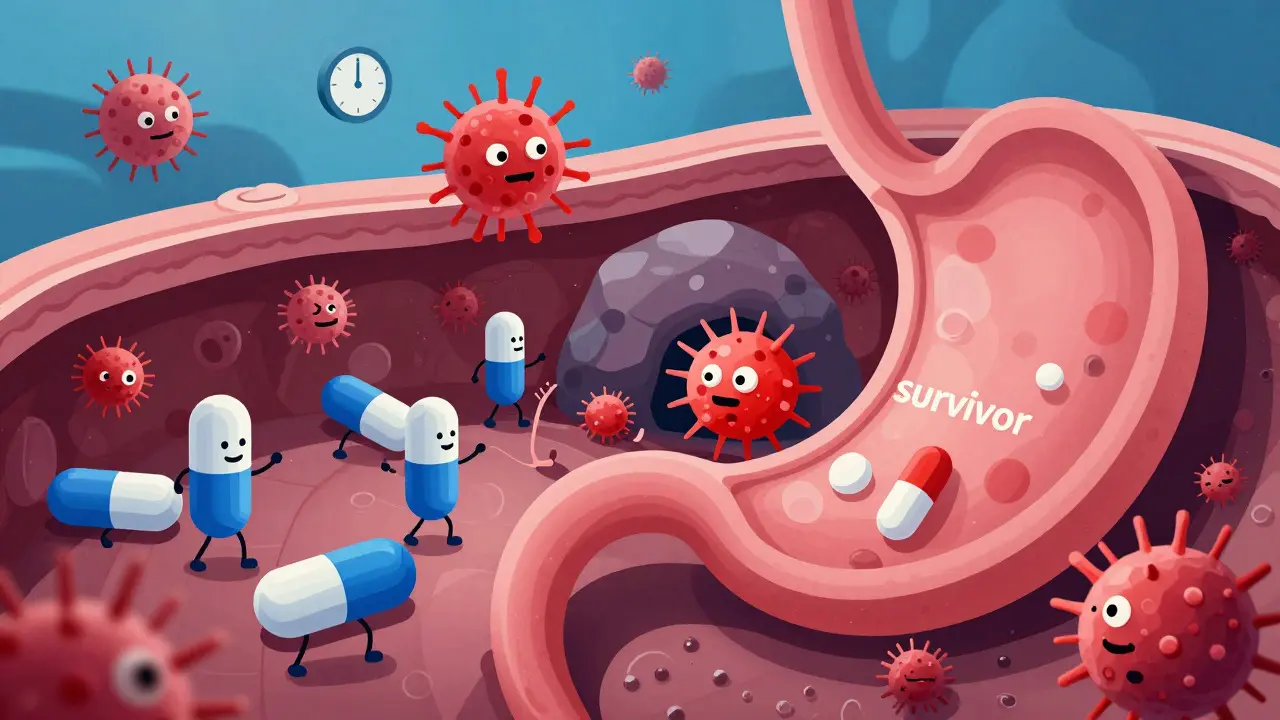
If you’ve ever taken antibiotics, you’ve probably heard the rule: finish the entire course, even if you feel better. Yet CDC data shows that 30% of antibiotic courses are stopped early. Why do people stop? Usually because the fever breaks and the cough subsides. It feels logical to stop when symptoms disappear. But bacteria are tricky. They don't always die at the same rate. The weaker ones go first, making you feel better. The stronger ones remain, hiding out and waiting for the drug pressure to lift.
When you stop early, those survivors multiply. Over time, this contributes to antibiotic-resistant bacteria, which are responsible for 35,000 deaths annually in the US alone. These resistant strains are harder to treat and often require stronger, more toxic medications. So, finishing your course isn't just about curing yourself today; it's about keeping antibiotics effective for everyone else tomorrow. Set a reminder on your phone for the last day of your prescription to ensure you don't skip the final doses.
Natural Doesn't Mean Neutral
There is a strong cultural belief that if something comes from a plant, it is inherently safer than synthetic drugs. About 65% of supplement users hold this view. However, St. John's Wort is an herbal supplement commonly used for mild to moderate depression. It interacts with a wide range of medications, including oral contraceptives, reducing their effectiveness by 15-33%. Similarly, ginkgo biloba, often taken for memory, increases bleeding risk by 50% when combined with warfarin, a common blood thinner.
These interactions happen because natural compounds still affect how your liver processes drugs. Unlike prescription medicines, supplements are not held to the same rigorous testing standards before they hit the shelves. This means you might not see a warning label about a specific interaction. Always tell your pharmacist about every herb, vitamin, or supplement you take. They can cross-reference them against your prescriptions to catch potential conflicts before they become problems.
The Alcohol and Meds Combination
Mixing alcohol with prescription drugs is often seen as a manageable risk if you drink "responsibly." But for certain combinations, the danger is immediate and severe. Combining opioids with alcohol increases the risk of respiratory depression by 800%. Respiratory depression is when your breathing slows down dangerously, potentially leading to unconsciousness or death. This is particularly lethal with drugs like Vicodin or oxycodone.
Even non-opioid medications can react poorly with alcohol. Sedatives, antidepressants, and some blood pressure medications can have their effects amplified by alcohol, leading to dizziness, falls, or heart rhythm issues. The University of Puget Sound warns that mixing certain prescription medications with alcohol is extremely dangerous. There is no universal "safe" amount of alcohol to mix with medication. When in doubt, the safest answer is usually none. Ask your doctor specifically about alcohol interactions for each new prescription.
| Myth | Fact | Risk Level |
|---|---|---|
| OTC meds are completely safe | Acetaminophen overdose causes liver failure; max 3,000mg/day | High |
| Higher dose = better results | Ibuprofen >1,200mg/day increases GI bleeding risk 4.5x | Medium-High |
| Stop meds when feeling better | Early antibiotic cessation drives resistance | Medium |
| Natural herbs are always safe | St. John's Wort reduces contraceptive efficacy by up to 33% | Medium |
| Alcohol is safe with most meds | Opioids + alcohol increase respiratory depression risk by 800% | Critical |
Practical Steps for Safer Use
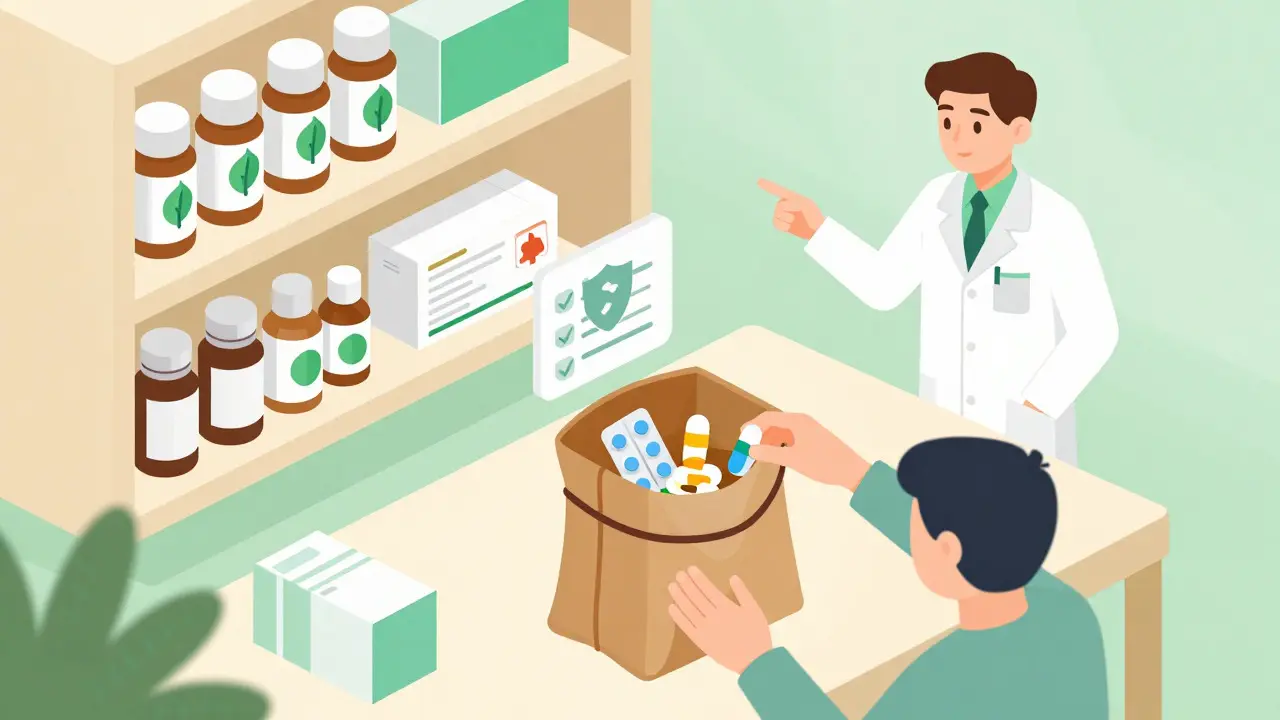
Knowing the facts is one thing; applying them is another. You don't need to memorize chemical formulas, but you do need a system. Start with the "brown bag review." Bring every single medication you take-prescriptions, OTCs, vitamins, and supplements-to your next doctor or pharmacist appointment. Put them all in one bag. This simple act helps professionals spot duplicates and interactions that might otherwise go unnoticed. Studies show this reduces medication discrepancies by 63%.
Next, try the "Teach-Back Method." When a pharmacist explains how to take a new drug, explain it back to them in your own words. Do they say, "Take two pills twice a day with food," and you repeat, "So I eat, then take two pills, wait eight hours, eat again, and take two more"? If your explanation matches theirs, you understand. If not, ask until it clicks. This method increased patient understanding from 42% to 89% in recent clinical trials.
Finally, consider medication synchronization. If you have multiple prescriptions, ask your pharmacy if they can align all refills to one day a week. This simplifies your routine and makes it easier to track what you've taken. It improved adherence rates significantly in Medicare populations. Small systems lead to big safety wins.
Is it okay to split my pill if I miss a dose?
It depends on the type of pill. Extended-release or enteric-coated pills should generally not be split unless scored (have a line down the middle) and approved by your doctor. Splitting them can release all the medication at once, causing a spike in effects. Always check the label or ask your pharmacist before splitting any medication.
Do generic drugs really work the same as brand-name ones?
Yes. Generic medications contain identical active ingredients to brand-name versions. The FDA requires generics to demonstrate bioequivalence, meaning they deliver the same amount of drug into your bloodstream at the same rate. Any differences are in inactive ingredients like color or fillers, which rarely cause issues. Generics are rigorously tested and are a cost-effective, safe alternative.
Can I store my medications in the bathroom cabinet?
Usually, no. Bathrooms are humid and warm, which can degrade many medications. Heat and moisture can break down active ingredients, making the drug less effective or changing its properties. A cool, dry place like a bedroom drawer or kitchen cupboard (away from direct sunlight) is better. Check the label for specific storage instructions, especially for insulin or liquid suspensions.
What should I do if I take too much of a medication?
Don't panic, but act quickly. Call Poison Control immediately. In the US, the number is 1-800-222-1222. Have the bottle or package ready so you can read the exact name, strength, and amount taken. If the person is unconscious or having trouble breathing, call emergency services first. Never induce vomiting unless instructed by a professional.
Are probiotics safe to take with antibiotics?
They are generally safe, but timing matters. Antibiotics kill both bad and good bacteria. Taking probiotics at the same time as the antibiotic may reduce the probiotic's effectiveness. It is best to take probiotics at least two hours before or after your antibiotic dose. This allows the beneficial bacteria to survive and colonize your gut, potentially reducing side effects like diarrhea.