
When you hear "weight loss," you might think of diets, apps, or gym memberships. But for millions of people living with obesity, the real solution isn’t about willpower-it’s about medical weight management. This isn’t a quick fix. It’s a structured, science-backed approach to treating obesity as a chronic disease, just like diabetes or high blood pressure. And it’s changing how doctors help patients lose weight-and keep it off.
What Medical Weight Management Really Means
Medical weight management isn’t just seeing a doctor for a diet plan. It’s a full-system approach that combines medication, nutrition, behavior change, and ongoing monitoring-all under clinical supervision. The American College of Cardiology’s 2025 guidelines made it official: obesity is a disease that needs ongoing treatment, not a moral failing or a lack of discipline.
Eligibility isn’t based on how you look. It’s based on numbers. If your BMI is 30 or higher, you qualify. If your BMI is 27 or higher and you have conditions like high blood pressure, type 2 diabetes, or sleep apnea, you may qualify even sooner. That’s a big shift from old thinking, where medications were only offered after years of failed diets.
Studies show that losing just 5% of your body weight can lower blood pressure, improve insulin sensitivity, and reduce joint pain. Lose 10% or more? You could see real disease improvement-even remission of type 2 diabetes. That’s not luck. That’s medicine.
Clinics That Work: What to Expect
Not all weight loss programs are created equal. Commercial programs like meal delivery services or group coaching apps might help some people lose a few pounds. But when it comes to lasting results, medical clinics outperform them by a wide margin.
A 2024 JAMA Internal Medicine study found that people in medically supervised programs lost an average of 9.2% of their body weight in a year. Those in commercial programs? Just 5.1%. The difference? Clinical oversight. Regular check-ins. Personalized plans. And access to medications that actually work.
Top clinics follow a clear structure. First, you’ll need to verify your BMI and medical history. Then, most require a mandatory orientation-often done online-where you learn how the program works, what to expect, and how to use tools like food logs or activity trackers. Some, like West Virginia University’s program, even make you fill out detailed questionnaires before your first appointment. It sounds like paperwork, but it helps your team understand your barriers: stress eating? Sleep issues? Medication side effects?
You’ll meet with a team: a physician, a registered dietitian, and a behavioral coach. Sessions start at 45-60 minutes and shrink to 15-30 minutes as you progress. The dietitian doesn’t give you a rigid meal plan. They help you build habits that fit your life. The coach helps you spot triggers and build coping skills. The doctor adjusts medications and monitors your health.
And yes, clinics are improving. Many now use electronic health record templates that flag obesity like any other chronic condition. Chairs without armrests. Blood pressure cuffs in multiple sizes. Language that avoids blame. These aren’t small details-they’re part of reducing the weight stigma that keeps people from seeking help.
The Medications: What’s Working Now
Medication is no longer a last resort. It’s a cornerstone. And the options have exploded since 2020.
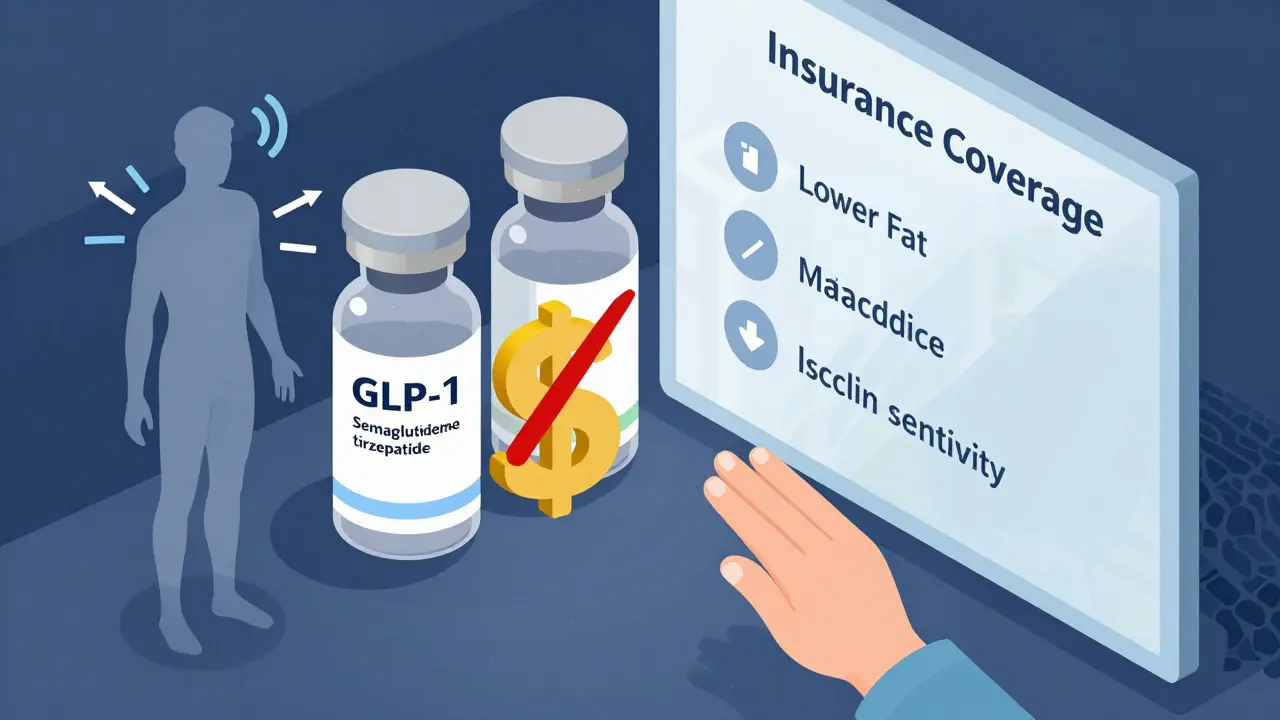
The two most powerful drugs now are semaglutide (Wegovy®) and tirzepatide (Zepbound®). Both are GLP-1 receptor agonists-medications originally developed for type 2 diabetes. But their weight loss effects? Extraordinary.
With semaglutide 2.4 mg weekly, people lost an average of 14.9% of their body weight over 72 weeks. With tirzepatide 15 mg weekly? 20.2%. That’s not a few pounds. That’s 30-50 pounds for many people. And it’s not just about appearance. These drugs lower blood sugar, reduce liver fat, and cut cardiovascular risk.
There’s even newer stuff coming. Retatrutide, a triple agonist that targets GLP-1, GIP, and glucagon, showed 24.2% weight loss in early trials. It’s not FDA-approved yet, but it’s the next big thing.
But here’s the catch: insurance. Only 68% of commercial insurers cover these medications in 2025. Medicare? Only 12% of Medicare Advantage plans do. That means many people pay out-of-pocket-$1,000 to $1,300 a month. That’s more than most gym memberships. It’s why so many patients wait 3-8 weeks just to get started.
And cost isn’t the only barrier. Black and Hispanic patients are 43% less likely to be offered these medications, even when they meet the same criteria. That’s a systemic problem clinics are now being trained to fix.
Monitoring: It’s Not Just Weighing In
Medical weight management isn’t about stepping on a scale once a month. It’s about tracking what matters.
The American Diabetes Association says you need to check your weight, waist circumference, blood pressure, and lab values-at least every three months during active treatment. Why? Because fat loss isn’t just about the number on the scale. You could be losing muscle, not fat. Or your blood sugar could be dropping too fast.
Successful programs use tools like the CDC’s "Understand Your Why" framework. They ask: What’s your reason for losing weight? Is it to walk without pain? To get off insulin? To play with your grandkids? That reason becomes your anchor when motivation fades.
Patients are also asked to track food, activity, sleep, and mood. Not to judge. To understand patterns. Maybe you’re eating more when you’re tired. Or skipping walks because your knees ache. Your care team uses this data to tweak your plan-not to punish you.
And follow-ups aren’t optional. Skipping appointments increases your chance of regaining weight by 37%. That’s why top clinics build reminders into their systems. And why many now offer telehealth visits for check-ins.
Why This Works When Diets Fail
Diets fail because they treat weight as a problem of willpower. Medical weight management treats it as a problem of biology.
Obesity changes your hormones. Your brain gets signals that you’re starving-even when you’re not. Your body fights to hold onto fat. That’s not weakness. That’s evolution.
Medications like semaglutide and tirzepatide reset those signals. They reduce hunger. They increase fullness. They make it easier to eat less without feeling deprived. Combine that with nutrition counseling and behavioral support? You’re not fighting your body anymore. You’re working with it.
One-size-fits-all plans fail 80% of the time. But personalized care? That’s where success happens. A diet that works for one person might make another feel sick. A workout plan that energizes one person might hurt another’s knees. Medical clinics adapt. They listen. They adjust.
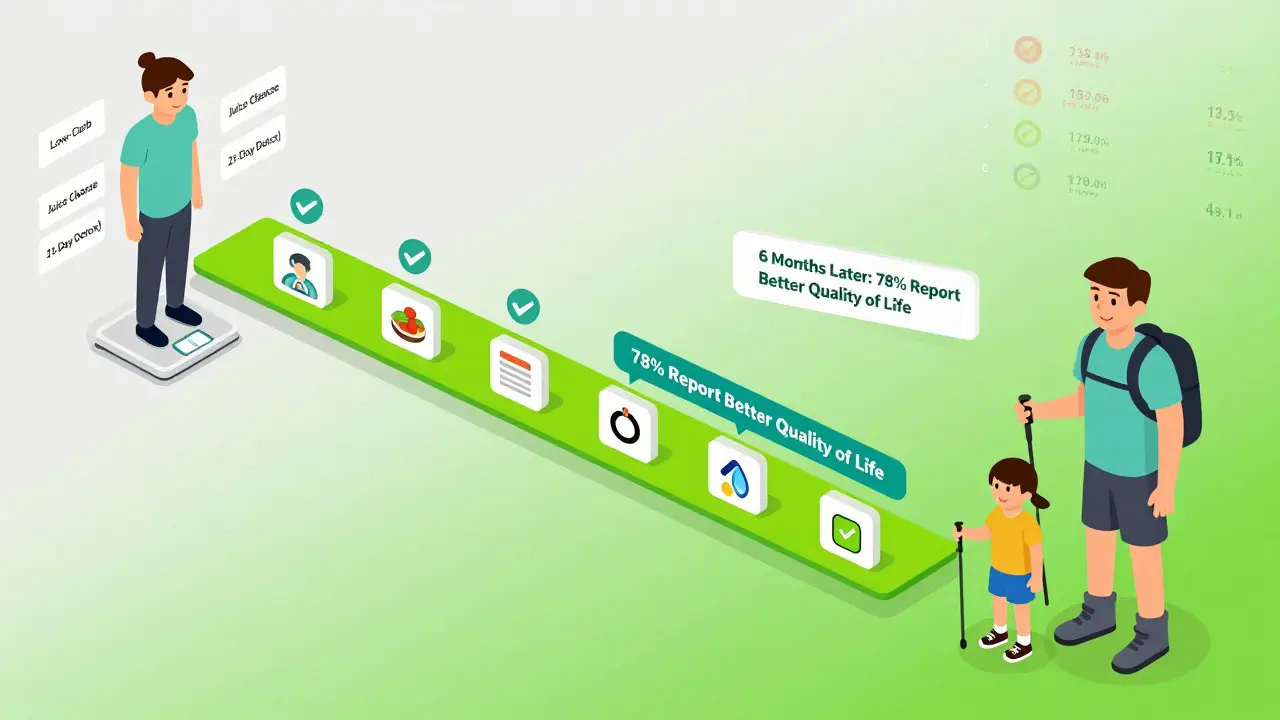
And the results? A 2025 survey by the Obesity Action Coalition found that 78% of participants reported improved quality of life after six months. People said they had more energy, slept better, felt less anxious, and didn’t need as many medications for other conditions.
Who It’s For-and Who It’s Not
Medical weight management isn’t for everyone. But it’s for far more people than you might think.
If you have a BMI of 30+-or 27+ with a related health condition-and you’ve tried to lose weight on your own without lasting success, this is for you. If you’re tired of feeling blamed for your weight, this is for you. If you want real health improvement-not just a smaller waistline-this is for you.
It’s not for people looking for a quick fix. It’s not for those unwilling to attend regular appointments or track their habits. And it’s not a substitute for bariatric surgery in cases of extreme obesity (BMI ≥40). But for most people with moderate obesity, it’s safer, more accessible, and just as effective long-term.
And the future? It’s getting better. More doctors are getting certified in obesity medicine. More employers are covering it. More insurers are starting to pay. In 2022, only 18% of Fortune 500 companies offered medical weight management. Now, it’s 47%.
This isn’t just a trend. It’s a medical revolution. And it’s happening now.
Is medical weight management covered by insurance?
Coverage varies. Most private insurers cover behavioral therapy for obesity under Medicare Part B, but coverage for medications like Wegovy® and Zepbound® is patchy. Only 68% of commercial plans cover them in 2025, and just 12% of Medicare Advantage plans do. Some clinics offer payment plans or work with patient assistance programs to reduce out-of-pocket costs.
How long does medical weight management take?
It’s a long-term process. Most people see meaningful weight loss within 3-6 months, but the goal is sustained results. The American College of Cardiology recommends ongoing treatment, not just until you hit your target weight. Many patients stay in programs for 1-2 years or longer. Maintenance is part of the plan.
Can I take these medications if I don’t have diabetes?
Yes. Semaglutide and tirzepatide were originally developed for type 2 diabetes, but they’re now FDA-approved specifically for weight management in people without diabetes. Their benefits for heart health, liver function, and joint pain apply regardless of diabetes status.
Are the side effects of weight loss medications serious?
Common side effects include nausea, vomiting, diarrhea, or constipation-especially when starting or increasing the dose. These usually improve over time. Serious risks like pancreatitis or gallbladder disease are rare. Your doctor will screen you for conditions that might make these drugs unsafe. The safety profile is far better than bariatric surgery, which has a 4.7% complication rate.
What if I can’t afford the medication?
Many pharmaceutical companies offer patient assistance programs that reduce or eliminate costs for eligible individuals. Some clinics partner with nonprofit organizations to help cover medication expenses. Also, consider starting with behavioral and nutrition support first-many people lose 5-7% of their weight without medication, which still improves health significantly.
How do I find a medical weight management clinic near me?
Start by asking your primary care doctor. Many academic medical centers and hospital systems now have dedicated obesity clinics. You can also search through the Obesity Medicine Association’s provider directory or check if your employer offers a wellness program that includes medical weight management. Look for clinics with multidisciplinary teams-doctors, dietitians, and behavioral coaches-not just a single provider.


