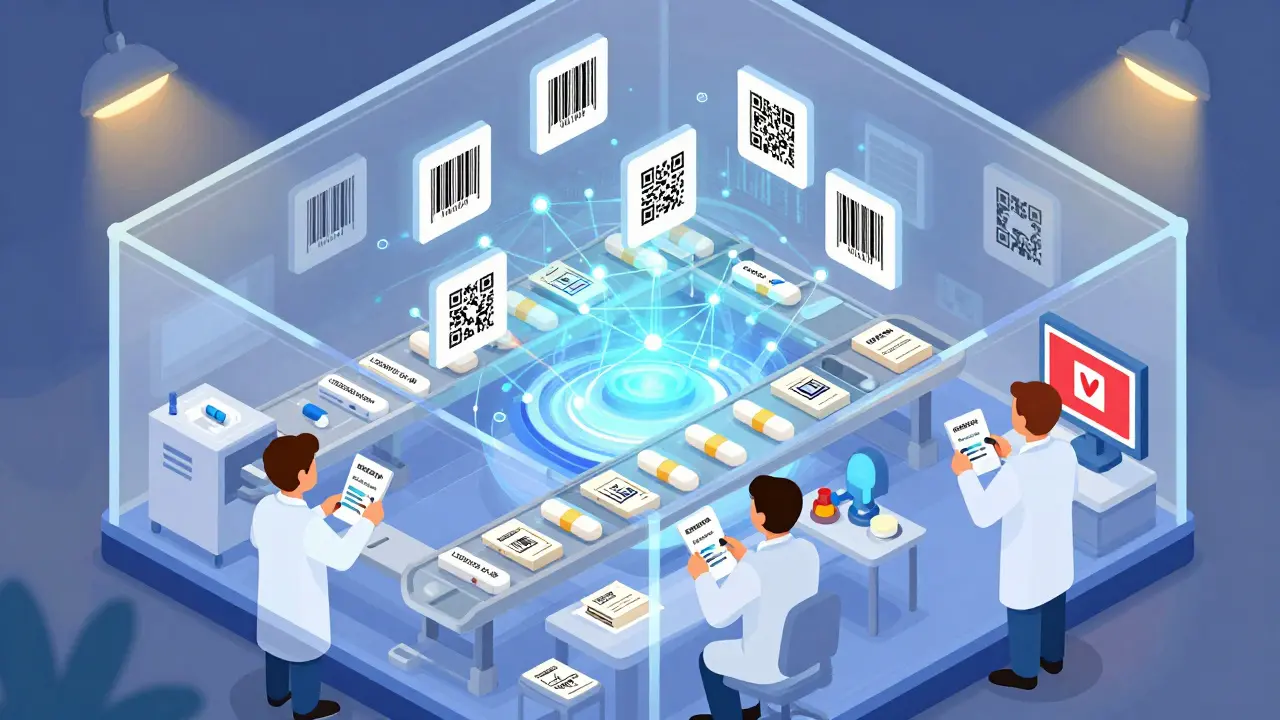
Every pill, vial, or injection you take could be part of a batch that’s been tracked from the factory to your pharmacy. If that system breaks down, fake drugs slip through - and people die. In 2023, the FDA reported over 1,200 cases of counterfeit medications in the U.S. alone, many of them linked to missing or falsified lot numbers and serial codes. This isn’t just a regulatory checkbox. It’s a lifeline.
What Lot Numbers and Serial Codes Actually Do
A lot number ties together a group of products made under the same conditions - same raw materials, same machine, same shift. Think of it like a family: all the items in that lot were born together. If something goes wrong - say, a batch of blood pressure pills has the wrong active ingredient - regulators can pull just that lot. No need to trash every pill ever made. That’s precision. Without it, recalls become massive, wasteful, and dangerous. Serial codes, on the other hand, track each individual unit. One bottle. One barcode. One unique ID. That’s critical for high-risk items like insulin pens, cancer drugs, or implantable devices. If a single pen malfunctions, you can trace it back to the exact machine, operator, and raw material batch that made it. No guessing. No luck. These aren’t just labels. They’re digital fingerprints. And in pharma, they’re required by law under FDA 21 CFR Part 11 and the Drug Supply Chain Security Act (DSCSA). The system was built after the 1937 Elixir Sulfanilamide tragedy, where over 100 people died because a toxic solvent wasn’t properly tested - and there was no way to recall only the bad batches.How Track-and-Trace Stops Counterfeit Drugs
Counterfeiters don’t just slap on fake labels. They replicate packaging, logos, even holograms. But they can’t replicate a real serial code tied to a verified manufacturer’s database. That’s the choke point. Here’s how it works: when a drug leaves the factory, its serial code is registered in a national system - like the U.S. Drug Supply Chain Security Act (DSCSA) database. When the pharmacy receives it, they scan the code. The system checks: Is this code real? Was it shipped by the authorized distributor? Has it been tampered with? If the code doesn’t match, the system flags it. The pill never reaches the patient. In 2023, a hospital in Ohio stopped a shipment of fake cancer drugs because their serial numbers didn’t match the manufacturer’s records. The batch was worth $1.2 million. No one got sick. That’s the power of traceability. Lot numbers help too. If a fake batch shows up in a different region, investigators can cross-reference the lot number with production logs. Was this batch even made? When? By whom? If the lot number doesn’t exist in the manufacturer’s system, it’s fake. No exceptions.Why Lot Tracking Beats Serial for Most Drugs
You might think every pill needs its own serial code. But that’s overkill - and expensive. For most oral medications - antibiotics, statins, painkillers - the risk isn’t in one bad pill. It’s in one bad batch. A single mixing error can contaminate 50,000 bottles. Tracking each one individually would cost millions. Tracking the lot? A few cents per bottle. FDA case studies show that lot-based tracking reduces recall costs by 63% compared to full-line recalls. In 2022, a major insulin manufacturer recalled just 12 lots after a contamination alert. That saved $18 million in lost product and logistics. If they’d recalled every insulin vial ever made? The cost would’ve been over $200 million. Serial codes are reserved for high-value, high-risk items: injectables, vaccines, oncology drugs, and implants. Why? Because if one syringe is tampered with, you need to know exactly which patient got it - and who didn’t.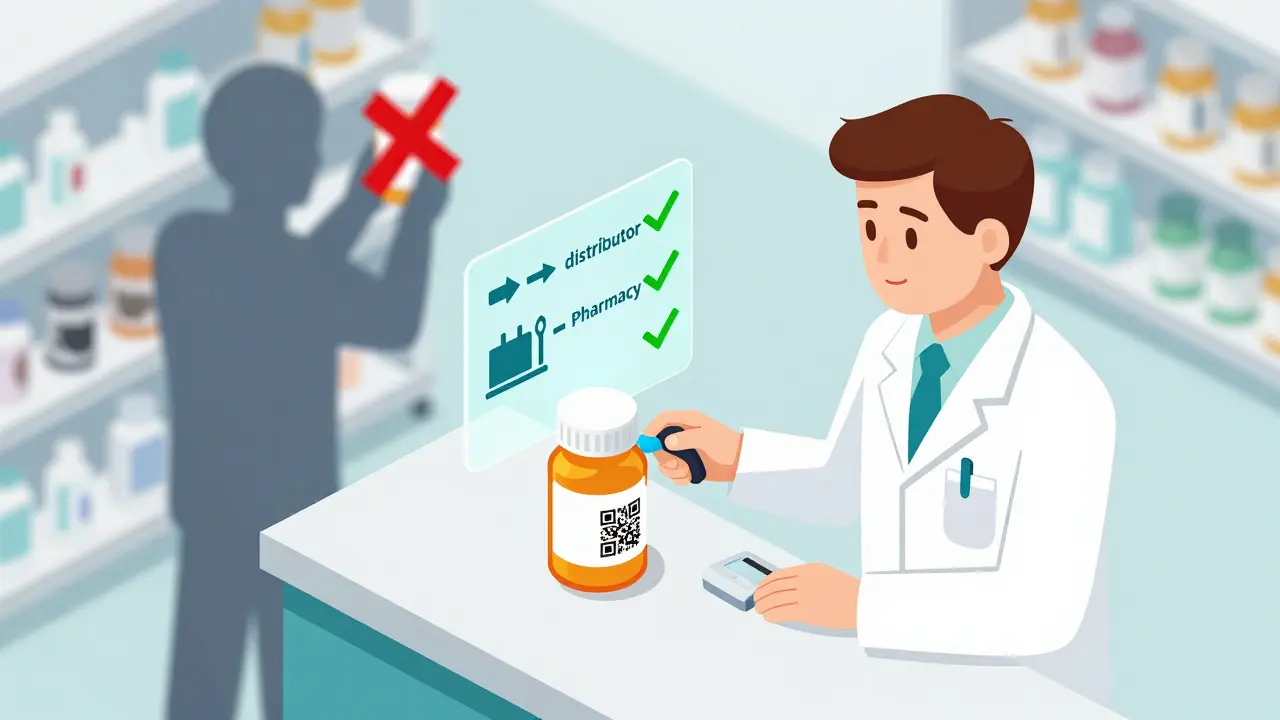
How the System Actually Works - Step by Step
It’s not magic. It’s simple tech, done right.- Step 1: Production - Each lot gets a unique ID: production date, facility code, line number, and sequence. Example: L20250103-04-BR. That’s lot #04 from Bristol facility on January 3, 2025.
- Step 2: Packaging - Each bottle in that lot gets a QR code. The code links to the lot number. For high-risk drugs, each bottle also gets a unique serial code.
- Step 3: Distribution - Every time the product changes hands - warehouse, distributor, pharmacy - the barcode is scanned. The system logs the transfer. No scan? No movement.
- Step 4: Sale - When you pick up your prescription, the pharmacist scans the code. The system confirms: this is real. This is the right drug. This is not expired. This is not recalled.
- Step 5: Recall - If a problem arises, the system instantly shows: which lots? Which distributors? Which pharmacies? Which patients? All in under 10 minutes.
The Real Cost of Not Tracking
It’s not just about money. It’s about lives. In 2021, a fake version of the blood thinner Eliquis flooded pharmacies in five states. Over 800 people took it. 12 had strokes. Two died. The fake pills had fake lot numbers - but no one was scanning them. The pharmacy didn’t have the right system. The distributor didn’t check. The system failed. Compare that to a 2023 case in Germany: a single vial of counterfeit hepatitis C drug was scanned at a clinic. The serial code didn’t match. The system flagged it. The batch was quarantined. 3,000 other vials were checked. None were fake. One scan saved hundreds of lives. The cost of a bad system? The FDA found that companies without proper traceability face 4x higher recall costs, 7x longer investigation times, and a 92% higher chance of regulatory shutdowns.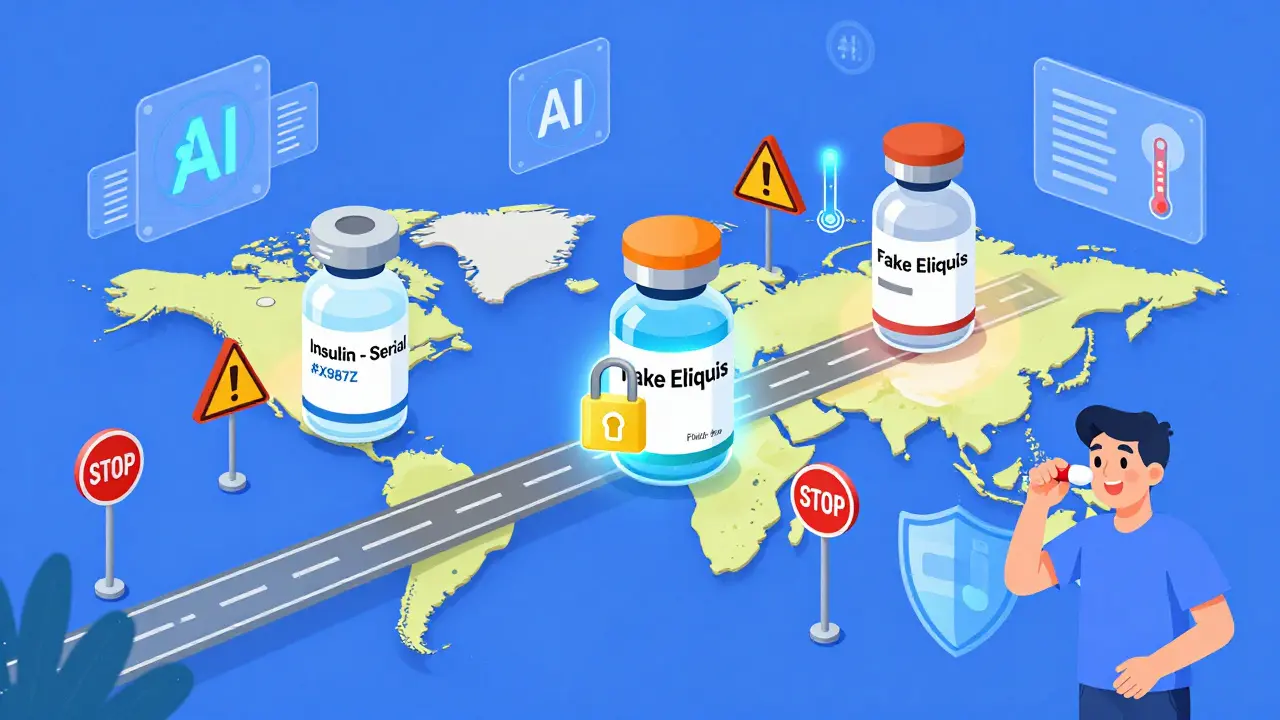
What You Can Do - As a Patient or Pharmacist
You don’t need to be a tech expert. But you should know what to look for.- Check the packaging. Is there a barcode or QR code? If not, ask. Legitimate pharmaceuticals always have them.
- Don’t ignore the lot number. It’s usually printed near the expiration date. If it’s smudged, handwritten, or missing - be suspicious.
- Use the app. Many manufacturers now offer free apps where you can scan the code and verify authenticity. Pfizer, Roche, and Novo Nordisk all have them.
- Report anomalies. If a drug looks wrong, smells wrong, or doesn’t work - tell your pharmacist. They’re trained to check.
The Future: AI, Blockchain, and Real-Time Alerts
The system isn’t done evolving. In 2025, major pharma companies started testing AI-powered track-and-trace systems that watch for anomalies in real time. If a lot number appears in a country where it wasn’t shipped - the system flags it before the drug even leaves the warehouse. Blockchain is being used to create tamper-proof logs. Once a serial code is registered, it can’t be changed. No backdating. No fake entries. And soon, IoT sensors will be embedded in shipping containers. If a vaccine is exposed to heat during transit, the system knows - and automatically quarantines the lot before it reaches the pharmacy. The EU’s Digital Product Passport (coming in 2027) will require every drug, medical device, and even some supplements to carry a digital passport with full traceability. The U.S. is following. This isn’t science fiction. It’s the new normal.Final Thought: It’s Not About Technology - It’s About Trust
People trust their medicine. That trust is built on one thing: certainty. Lot numbers and serial codes don’t just track pills. They track responsibility. They track accountability. They track the promise that what’s in the bottle is what it says it is. When that system works - you don’t notice it. You just take your pill and feel better. When it fails - you don’t get a second chance.What’s the difference between a lot number and a serial code?
A lot number identifies a group of products made together under the same conditions - like a batch of 10,000 pills. A serial code identifies a single unit - like one specific pill bottle. Lot numbers are used for recalls and quality control. Serial codes are used when you need to track each item individually, like with insulin pens or medical implants.
Are lot numbers and serial codes required by law?
Yes. In the U.S., the Drug Supply Chain Security Act (DSCSA) requires all prescription drugs to have unique serial codes by 2023. Lot numbers are required under FDA 21 CFR Part 11 for traceability. In the EU, the Falsified Medicines Directive mandates both. Non-compliance means fines, shutdowns, or criminal charges.
Can I check if my medicine is real?
Yes. Many drugmakers offer free apps - like Pfizer’s Verify or Novo Nordisk’s SafeMed - where you scan the barcode or enter the serial code. The system checks against the manufacturer’s database. If it’s fake or recalled, you’ll get an alert. Always check if you’re unsure.
Why don’t all drugs have serial codes on every unit?
Cost and practicality. For low-risk, high-volume drugs like aspirin or antibiotics, tracking each pill would be expensive and unnecessary. A single bad batch affects thousands, so tracking the lot is enough. Serial codes are reserved for high-risk drugs - like cancer treatments, vaccines, or injectables - where one faulty unit could harm a patient.
What happens if a pharmacy doesn’t scan the code?
The system can’t verify the drug’s authenticity. That means fake, expired, or recalled drugs can enter the supply chain. In 2023, the FDA issued 17 warning letters to pharmacies for failing to scan incoming shipments. One pharmacy in Texas was shut down after 12 fake opioid pills were found - all because they skipped scanning.
How do I know if my pharmacy uses proper track-and-trace?
Ask. Reputable pharmacies will show you their verification process. If they use an app or scanner at the counter, that’s a good sign. If they hand you a bottle with no barcode or say "we don’t scan those," walk out. Legitimate pharmacies are required to verify every prescription drug they dispense.


