Licorice & Medication Interaction Checker
Your Profile
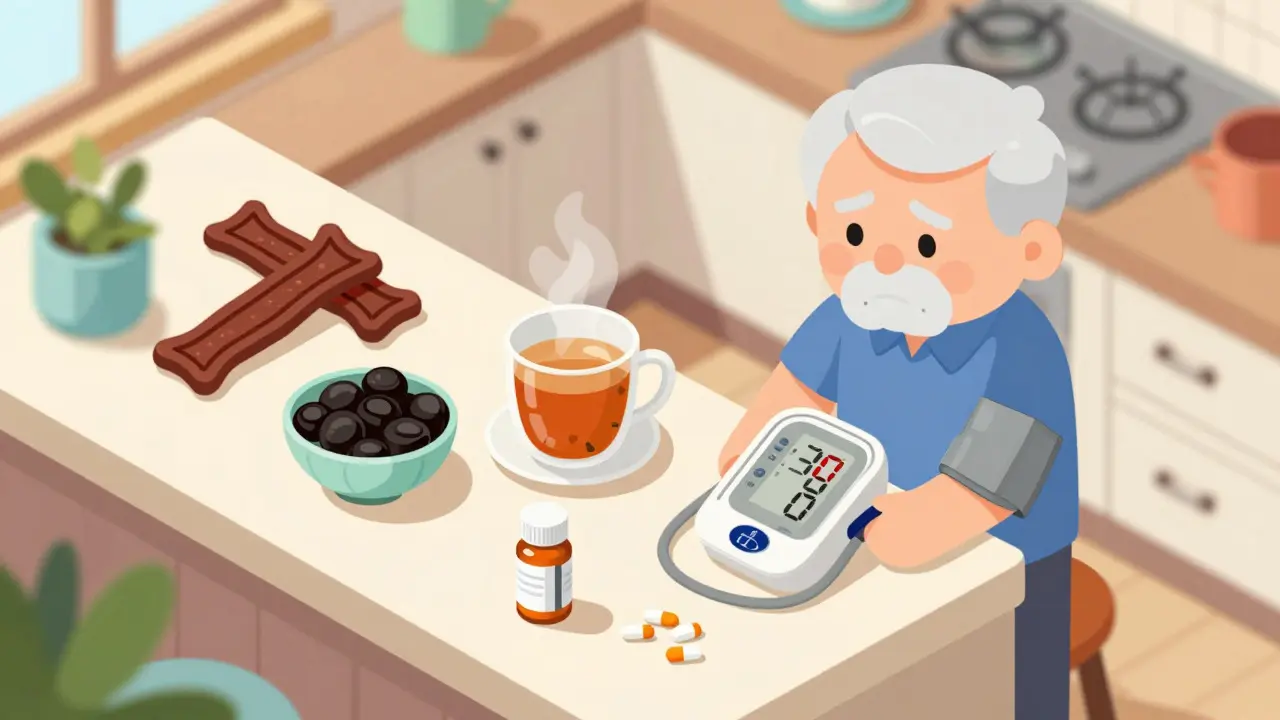
Imagine taking your blood pressure medication faithfully every morning, yet watching your readings climb higher each week. You might blame stress or diet, but the culprit could be hiding in plain sight-perhaps in a soothing cup of herbal tea or a piece of black licorice candy. Licorice root is a perennial herb containing glycyrrhizin, a compound that can dangerously interfere with antihypertensive drugs by mimicking aldosterone and causing sodium retention. This interaction doesn't just slightly reduce effectiveness; it can render life-saving medications nearly useless, leading to uncontrolled hypertension and dangerous drops in potassium levels.
The Hidden Mechanism: How Licorice Sabotages Blood Pressure Control
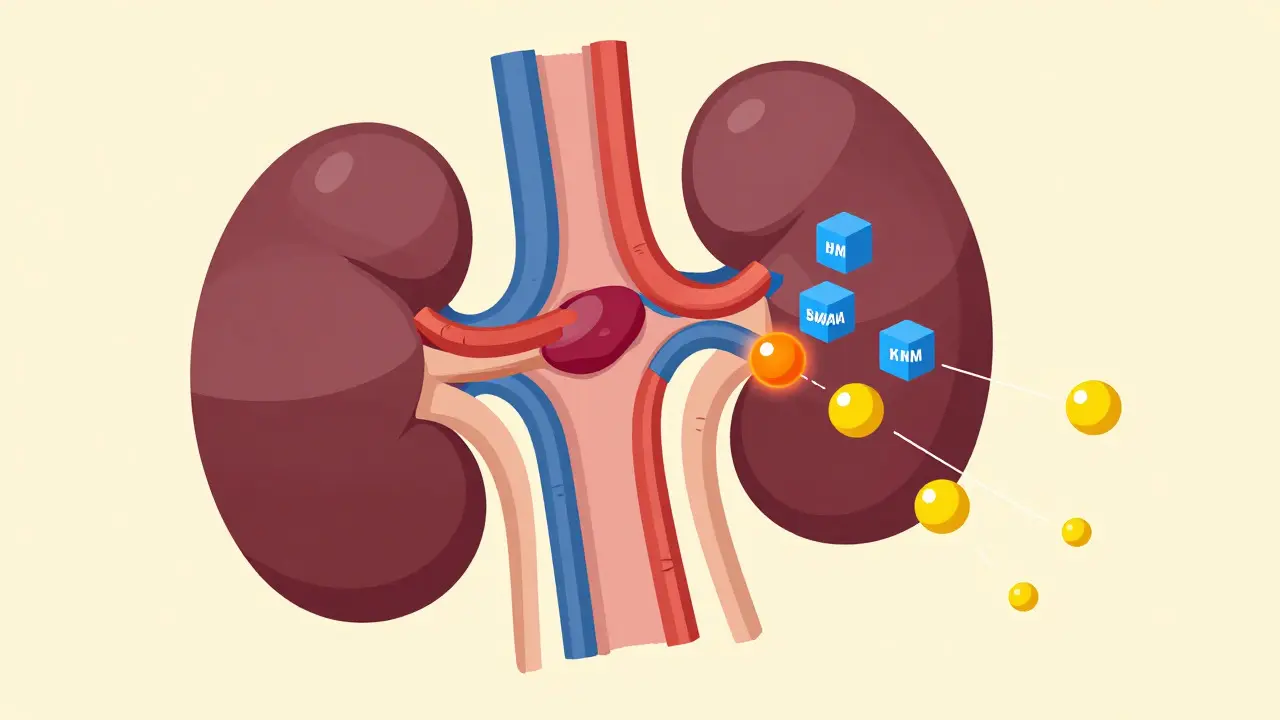
To understand why this happens, we need to look at what glycyrrhizin is the primary active compound in Glycyrrhiza glabra responsible for mineralocorticoid-like effects that elevate blood pressure does inside your body. When you consume real licorice root, your body breaks down glycyrrhizin into glycyrrhetinic acid. This metabolite inhibits an enzyme called 11β-hydroxysteroid dehydrogenase type 2 is an enzyme that normally protects mineralocorticoid receptors from cortisol binding, preventing excessive sodium retention. Normally, this enzyme prevents cortisol from activating mineralocorticoid receptors. When inhibited, cortisol binds to these receptors instead, tricking your kidneys into behaving as if you have high levels of aldosterone.
The result is a cascade of physiological changes that directly oppose the goals of blood pressure treatment. Your kidneys retain more sodium and water while excreting potassium. This increases your plasma volume by up to 15%, forcing your heart to work harder and raising systolic blood pressure significantly. A 2019 review in the journal Foods noted that consuming more than 100 mg of glycyrrhizin daily for two weeks triggers these effects. For context, that amount is found in roughly 50 grams of authentic licorice candy. In susceptible individuals, this can spike systolic blood pressure by as much as 30 mmHg, completely undoing the work of your prescribed medication.
Which Medications Are Most at Risk?
Not all blood pressure drugs are affected equally, but most face significant interference. The severity depends on how the medication works versus how licorice alters your physiology. Here is how specific classes of antihypertensives interact with licorice root:
| Medication Class | Example Drugs | Effectiveness Reduction | Primary Interaction Mechanism |
|---|---|---|---|
| ACE Inhibitors are drugs like lisinopril that block angiotensin-converting enzyme to lower blood pressure | Lisinopril, Enalapril | 30-50% | Sodium retention counters vasodilation |
| ARBs are Angiotensin II Receptor Blockers like losartan that prevent vasoconstriction | Losartan, Valsartan | ~25% | Volume expansion overrides receptor blockade |
| Calcium Channel Blockers are medications like amlodipine that relax blood vessel muscles | Amlodipine, Diltiazem | 15-20% | Increased cardiac output strains vascular system |
| Potassium-Sparing Diuretics are drugs like spironolactone that remove fluid without losing potassium | Spironolactone (Aldactone) | Near 100% negation | Licorice blocks the exact receptor these drugs target |
The most dangerous interaction occurs with potassium-sparing diuretics like spironolactone is a medication used to treat high blood pressure and heart failure by blocking aldosterone effects. These drugs work by blocking aldosterone receptors. Since licorice root effectively mimics aldosterone activity through cortisol accumulation, it can completely negate the therapeutic effect within 7 to 10 days. A 2020 case report highlighted patients requiring hospitalization because their blood pressure spiked uncontrollably after combining licorice consumption with spironolactone therapy.
Real-World Consequences: What Patients Experience
Clinical data tells one story, but patient experiences reveal the urgency. On the American Heart Association’s support network, a 68-year-old man reported his blood pressure jumping from a controlled 130/80 mmHg to 185/105 mmHg in just ten days after starting daily licorice tea while taking lisinopril. He wasn't alone. A survey of community discussions on PatientsLikeMe showed that 92% of relevant posts described worsened blood pressure control after licorice use. Seventeen cases required emergency department visits due to hypertensive crises triggered by this interaction.
Beyond high blood pressure, hypokalemia (low potassium) is a silent threat. Licorice consumption can drop serum potassium levels by 0.5 to 1.5 mmol/L on average. Normal potassium ranges from 3.5 to 5.0 mmol/L. Dropping below 3.0 mmol/L can cause muscle weakness, cramps, and potentially fatal heart arrhythmias. Dr. David J. Handelsman, an endocrinologist at the University of Sydney, documented cases where patients didn't even realize they were consuming real licorice root because many products labeled simply as "licorice" actually contain anise flavoring, which is safe. However, supplements, teas, and traditional remedies often contain the real thing.
How to Identify Safe vs. Unsafe Products
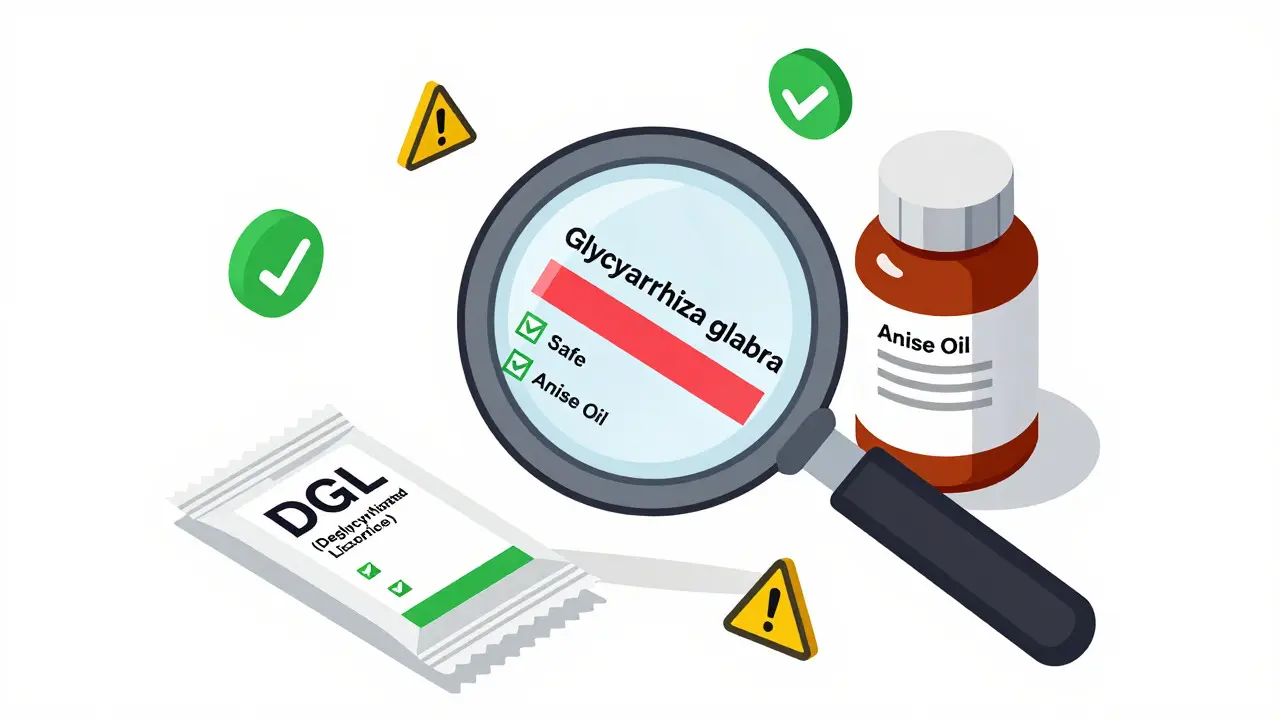
You don't need to give up all licorice-flavored treats, but you must become a label detective. Approximately 95% of licorice candies sold in the United States use anise oil rather than actual Glycyrrhiza glabra is the botanical name for true licorice root, which contains glycyrrhizin. Anise provides the same sweet, distinct flavor without the dangerous glycyrrhizin. To stay safe, check the ingredient list carefully. If you see "anise oil," "fennel extract," or "natural flavors" without mention of licorice root, you are likely safe. If the label lists "Glycyrrhiza glabra" or "licorice extract," avoid it entirely if you are on blood pressure medication.
This caution extends beyond candy. Herbal supplements, cough syrups, and even some tobacco products may contain hidden licorice root. A 2018 survey found that 30% of herbal laxatives and 25% of traditional Chinese medicine formulas include licorice root. Before buying any supplement, ask your pharmacist or doctor. They can help identify whether a product contains glycyrrhizin. For those who want the digestive benefits of licorice without the blood pressure risks, consider DGL is Deglycyrrhizinated Licorice, a processed form of licorice root with glycyrrhizin removed, considered safe for hypertensive patients (Deglycyrrhizinated Licorice). DGL has less than 1% glycyrrhizin and poses minimal risk to blood pressure control, making it a viable alternative for soothing stomach issues.
Practical Steps for Managing the Risk
If you are currently taking blood pressure medication, take these steps immediately:
- Audit your pantry: Look for any teas, supplements, or candies containing real licorice root. Check labels for "Glycyrrhiza glabra."
- Monitor your numbers: If you suspect exposure, check your blood pressure daily. A sudden rise despite consistent medication use is a red flag.
- Check potassium levels: Ask your doctor for a blood test to measure serum potassium. Low potassium can occur before blood pressure spikes become severe.
- Consult your healthcare provider: Never stop your medication abruptly. If licorice interaction is suspected, your doctor may adjust your dosage temporarily until the licorice effects wear off, which can take up to two weeks after discontinuation.
The European Food Safety Authority set a safe upper limit of 100 mg of glycyrrhizin per day for the general population. However, for anyone on antihypertensive drugs, the safe limit is effectively zero. The variability in glycyrrhizin content across products makes precise dosing impossible. Some products contain ten times more glycyrrhizin than others, creating unpredictable interactions.
Frequently Asked Questions
How long does it take for licorice root to affect blood pressure?
Effects typically begin within 2 to 4 weeks of regular consumption exceeding 100 mg of glycyrrhizin daily. However, sensitive individuals may experience blood pressure elevations within 7 to 10 days. The half-life of glycyrrhizin is about 14 hours, but its physiological effects on mineralocorticoid pathways can persist for up to two weeks after you stop consuming it.
Is black licorice candy safe if I have high blood pressure?
It depends on the ingredients. Most black licorice candy in the U.S. uses anise oil, which is safe. However, authentic black licorice made with real Glycyrrhiza glabra root contains glycyrrhizin and should be avoided. Always read the label; if it lists "licorice extract" or "Glycyrrhiza glabra," do not eat it if you are on blood pressure medication.
Can licorice root cause low potassium?
Yes. Licorice root causes the kidneys to excrete potassium while retaining sodium. Regular consumption can lower serum potassium levels by 0.5 to 1.5 mmol/L. Severe hypokalemia (below 3.0 mmol/L) can lead to muscle weakness, fatigue, and dangerous heart rhythms, especially when combined with diuretic medications.
What is DGL and is it safe for hypertensive patients?
DGL stands for Deglycyrrhizinated Licorice. It is a processed form of licorice root where the glycyrrhizin component has been removed. Because glycyrrhizin is the compound that raises blood pressure, DGL is generally considered safe for people with hypertension. It is often used to treat digestive issues like ulcers and acid reflux without affecting blood pressure.
Does licorice tea interact with blood pressure meds?
If the tea is made from real licorice root (Glycyrrhiza glabra), yes. Many herbal teas marketed as "licorice tea" contain the actual root. Consuming one cup daily can provide enough glycyrrhizin to interfere with ACE inhibitors, ARBs, and diuretics over time. Check the ingredient label to ensure it is anise-based or clearly labeled as DGL if you want to avoid interactions.
How quickly will blood pressure return to normal after stopping licorice?
Blood pressure usually begins to improve within a few days of stopping licorice consumption, but it can take up to two weeks for the full effects to dissipate. Potassium levels may also take several days to normalize. During this period, continue taking your prescribed medication and monitor your blood pressure closely.