Imagine you are taking a daily blood pressure pill, an over-the-counter painkiller for a headache, and a new herbal supplement for sleep. You feel fine, but your body is quietly processing a chemical cocktail that could be working against itself. This scenario is far more common than most people realize. According to the World Health Organization, adverse drug events account for roughly 6.7% of all hospital admissions. That means nearly one in fifteen hospital stays involves a medication problem that might have been prevented.
This is where a drug interaction checker becomes your first line of defense. These digital tools scan your list of medications, supplements, and even foods to flag potential clashes before they become medical emergencies. But here is the catch: these tools are not perfect crystal balls. They can miss things, or worse, they can scream "danger" when there is none. Using them effectively requires understanding what they do well, where they fall short, and how to interpret their warnings without panicking.
Understanding How Interaction Checkers Work
To use these tools wisely, you need to know what is happening under the hood. A drug interaction checker is essentially a specialized search engine connected to massive databases of pharmacological data. When you type in two drug names, the software doesn't just look for a simple match. It analyzes complex biological relationships.
There are three main types of interactions these systems look for:
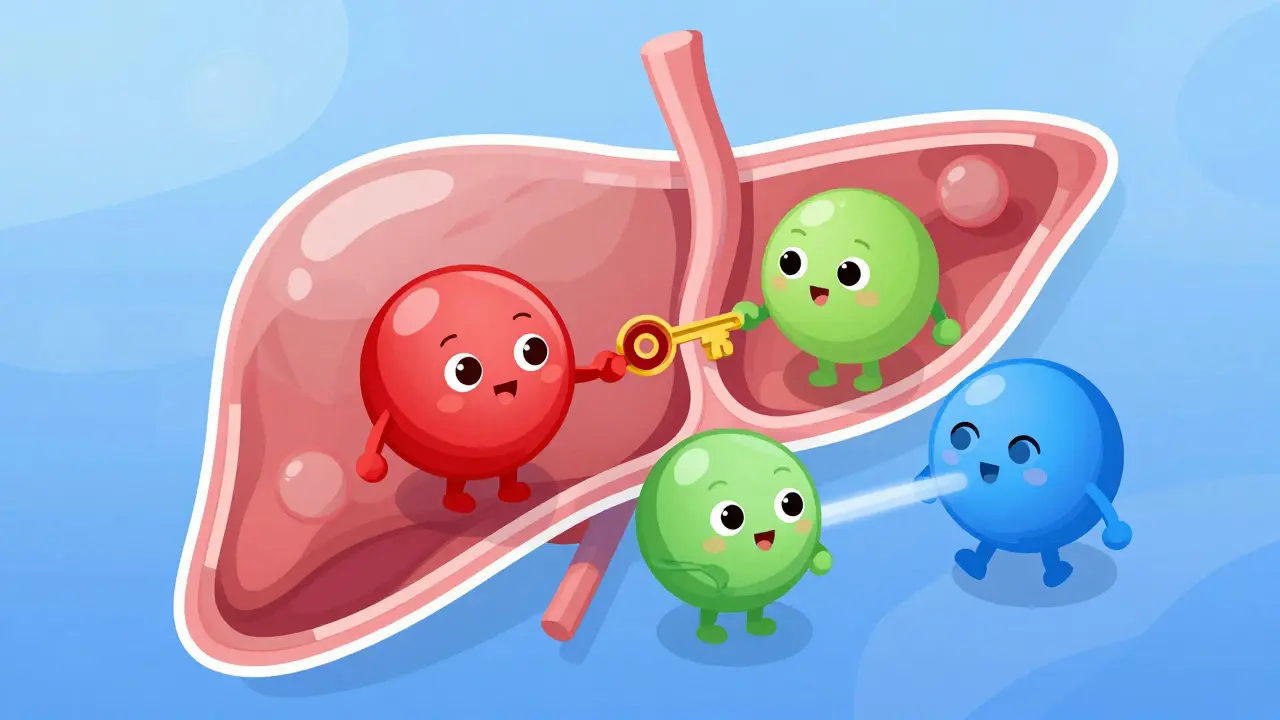
- Drug-Drug Interactions: This happens when one medication changes how your body absorbs, metabolizes, or eliminates another. For example, one drug might slow down the liver enzyme responsible for breaking down the second drug, causing the second drug to build up to toxic levels in your bloodstream.
- Drug-Food/Drink Interactions: Certain substances interact dangerously with meds. The classic example is grapefruit juice interfering with statins, or alcohol amplifying the sedative effects of anxiety medications.
- Drug-Condition Interactions: Sometimes, a medication is risky not because of other drugs, but because of your underlying health status. For instance, certain painkillers can worsen kidney disease, making them unsafe for patients with renal issues.
The accuracy of these checks depends on the quality of the database behind the tool. Clinical-grade systems like Lexi-Interact and Micromedex are updated constantly by teams of pharmacists and researchers. Free consumer tools rely on similar data but may update less frequently or lack the nuanced clinical context found in professional versions.
Choosing the Right Tool for Your Needs
Not all checkers are created equal. If you are a patient managing your own health at home, your needs differ from those of a hospital pharmacist reviewing a complex regimen for a critically ill patient. Here is a breakdown of the major players in the market as of 2026.
| Tool Name | Best For | Key Strength | Limitation |
|---|---|---|---|
| Drugs.com | General Consumers | Free, easy-to-use interface; good supplement coverage | Lower clinical depth compared to professional tools |
| WebMD | Quick Consumer Checks | Highly accessible; integrates with general health info | Can generate false positives; limited herbal data |
| Micromedex | Healthcare Professionals | High specificity (fewer false alarms); trusted by hospitals | Requires subscription/institutional access |
| Lexi-Interact | Clinical Screening | High sensitivity (catches almost everything) | May produce excessive alerts (alert fatigue) |
| UoL COVID-19 Checker | Paxlovid/Nirmatrelvir Users | Gold standard for antiviral interactions; weekly updates | Specialized only for COVID treatments |
If you are checking your own prescriptions, Drugs.com is a reliable free resource that accepts both brand and generic names. It offers a user-friendly experience and covers many over-the-counter supplements. However, if you are dealing with a serious condition or multiple medications, you should ask your pharmacist which system they use. Many hospitals rely on Micromedex is a clinical decision support system known for high specificity, meaning it is very good at ignoring irrelevant warnings so doctors can focus on real risks.
The Critical Step: Building a Complete Medication List
The biggest mistake people make when using an interaction checker is incomplete data entry. You might think, "I only take my heart pill," but then you pop an ibuprofen for back pain and take a magnesium supplement for cramps. Each of these adds a variable to the equation.
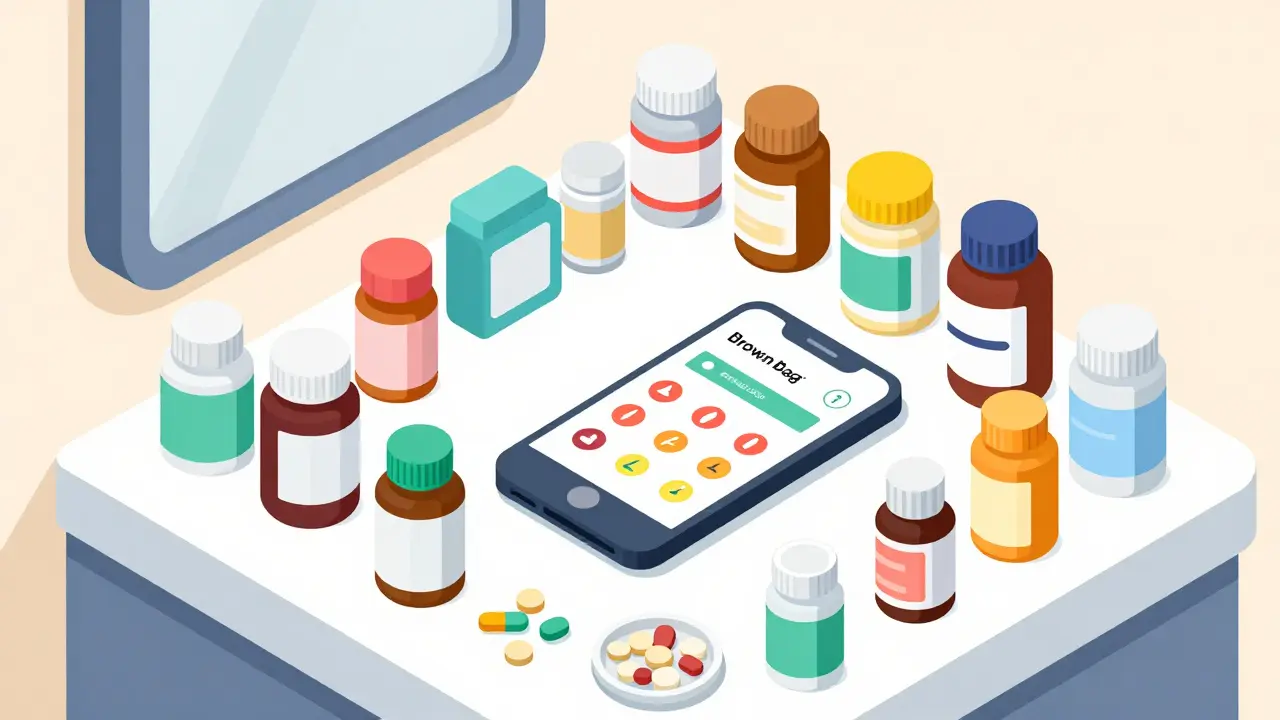
To get an accurate result, you must compile a "brown bag" list. Take every bottle, box, and tube out of your medicine cabinet. Include:
- Prescription medications: Note the exact dose and frequency.
- Over-the-counter (OTC) drugs: Pain relievers, antacids, allergy pills, and cold remedies.
- Dietary supplements and herbs: St. John’s Wort, ginkgo biloba, fish oil, vitamin K. These are often overlooked but cause significant interactions.
- Recreational substances: Alcohol, nicotine, and cannabis can alter how medications work.
Research indicates that approximately 23% of clinically significant interactions involve OTC products or supplements. By omitting these, you are leaving blind spots in your safety net. Enter every single item into the checker. If you are unsure about a name, take a photo of the label or bring the physical bottle to your pharmacy.
Interpreting the Results: Color Codes and Severity
Once you have entered your list, the tool will generate a report. Don't just glance at it and run. Learn to read the severity levels. Most modern checkers use a color-coded system similar to the one developed by the University of Liverpool, which has become a benchmark for clarity.
- Red Circle (Major/Contraindicated): These combinations should generally not be used together. The risk of harm is high. Examples include mixing MAOIs with certain antidepressants, which can lead to life-threatening serotonin syndrome.
- Orange Square (Moderate/Monitor): These interactions are possible and may require monitoring or dose adjustments. For instance, some antibiotics reduce the effectiveness of birth control pills. You might still take them, but you need a backup contraception method and closer tracking.
- Yellow Triangle (Minor/Observation): Weak interactions that usually don't cause problems but are worth noting. Maybe one drug slightly increases the drowsiness of another.
- Green Diamond (No Significant Interaction): The combination is considered safe based on current data.
Pay close attention to the "Orange" and "Red" flags. However, remember that a "Red" flag does not always mean you must stop immediately. It means "consult your provider." Context matters. A doctor might decide the benefit of a life-saving drug outweighs the risk of a manageable side effect.
The Limitations: Why Tools Aren't Perfect
No software is infallible. A comprehensive 2016 study published in the National Institutes of Health (NIH) evaluated five major DDI programs and found significant variations in performance. For example, while Lexi-Interact had high sensitivity (catching 77% of relevant interactions), other tools like Medscape had lower accuracy rates (around 49%). Even the best tools max out at detecting 85-90% of theoretical interactions.
Here is why you cannot rely solely on the screen:
False Positives: Studies show that up to 32% of high-severity alerts in hospital systems are clinically irrelevant. The computer sees a chemical clash, but it doesn't know that you take Drug A in the morning and Drug B at night, avoiding overlap. Or it doesn't know your liver function is normal, allowing you to process the load safely. This leads to "alert fatigue," where users start ignoring warnings because too many are harmless.
New Drugs and Gaps: Before a drug is approved, it is tested against a limited number of other medications. It is impractical to test every new pill against every existing supplement. Therefore, checkers may not flag interactions for newly approved drugs or obscure herbal blends. The FDA has noted that no current checker replaces pharmacist review for complex regimens involving five or more medications.
Individual Biology: Genetics play a huge role. Some people are "fast metabolizers" due to their DNA, while others are "slow." A drug interaction checker assumes an average metabolism. It cannot predict how your unique genetic makeup will handle a specific combination.
Best Practices for Safe Usage
So, how do you use these tools effectively without falling into the trap of false reassurance or unnecessary panic? Follow this practical workflow.
1. Use Multiple Sources for High-Risk Cases
The American Society of Health-System Pharmacists (ASHP) recommends using at least two independent checkers for patients with complex needs. If Drugs.com flags a moderate interaction, check it again on WebMD or ask your pharmacist to run it through their clinical system. Discrepancies between systems are common-up to 15-20%-and comparing them helps identify true risks versus software quirks.
2. Consult a Human Expert
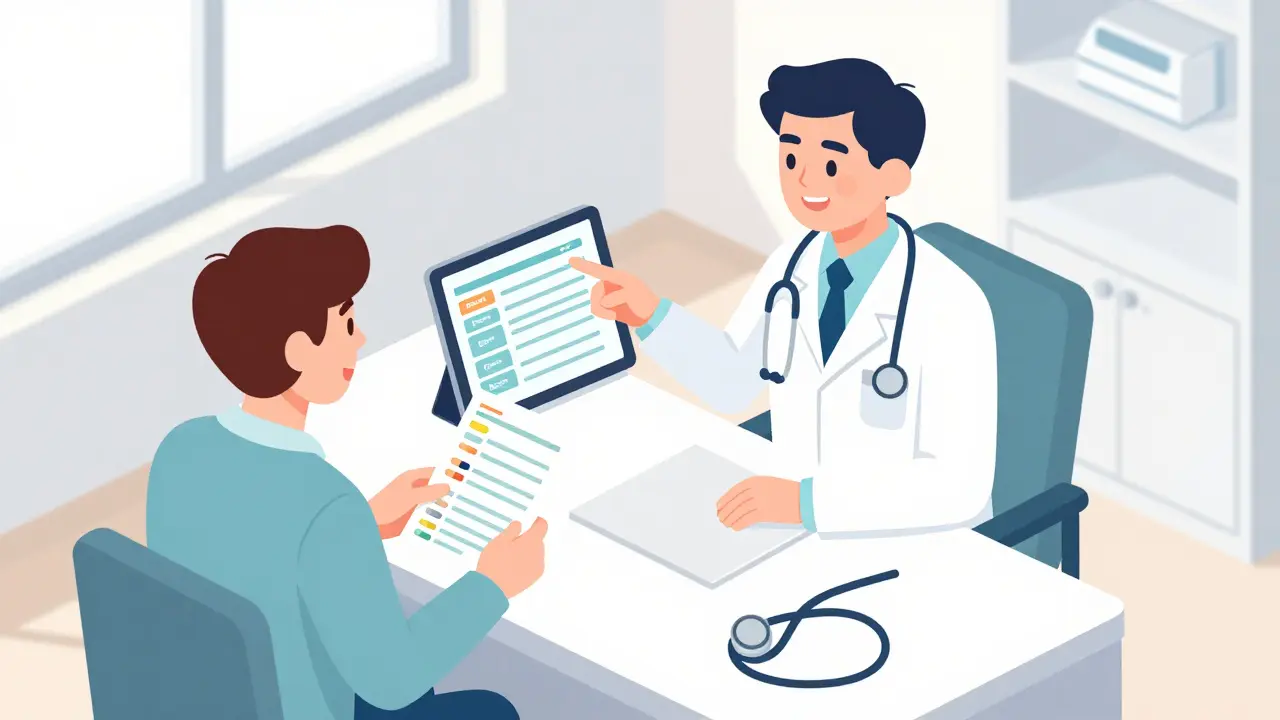
This is non-negotiable. Dr. David Flockhart, a leading clinical pharmacologist, emphasizes that DDI checkers are "essential but imperfect tools that must be paired with clinical judgment." Always share your checker results with your doctor or pharmacist. They can interpret the warning in the context of your full medical history, allergies, and lifestyle.
3. Be Specific with Names
Use the generic name if possible, but ensure you are entering the correct ingredient. "Aspirin" is clear, but "Pain Reliever #1" is not. If you buy a multi-symptom cold medicine, enter each active ingredient separately. Many interactions happen because people double up on acetaminophen from different brands.
4. Update Regularly
Your medication list is not static. Every time you start a new prescription, stop an old one, or add a supplement, re-run the check. Adverse events often occur during transitions in care, such as after a hospital discharge or when switching doctors.
Special Considerations: COVID-19 Treatments
A notable exception to general rules is the treatment of COVID-19, specifically with antivirals like Paxlovid (nirmatrelvir/ritonavir). These drugs have extensive and dangerous interactions with hundreds of common medications, including statins, heart medicines, and immunosuppressants.
For this specific case, general checkers may lag behind. The University of Liverpool’s COVID-19 Drug Interactions Checker has become the global gold standard. Launched in 2020 and updated weekly, it provides unparalleled depth for nirmatrelvir interactions. If you or a loved one is prescribed Paxlovid, do not rely solely on a general app. Go directly to the UoL tool or consult a specialist who uses it. The consequences of missing an interaction here can be severe, ranging from organ damage to reduced efficacy of the antiviral itself.
Conclusion: Empowerment Through Knowledge
Using a drug interaction checker effectively is about balancing technology with human insight. These tools are powerful allies in preventing the 6.7% of hospital admissions caused by medication errors. They empower you to ask better questions at your next appointment. Instead of saying, "I'm taking this," you can say, "I checked this combination, and it flagged a moderate interaction. What do you recommend?"
Remember, the goal is not to achieve a perfect "green diamond" score on every pair of drugs. The goal is informed safety. By building complete lists, interpreting severity codes correctly, acknowledging the limitations of AI and databases, and always verifying with a healthcare professional, you turn a simple web tool into a robust component of your personal health strategy.
Are free online drug interaction checkers accurate?
Free tools like Drugs.com and WebMD are reasonably accurate for common medications but may lack the depth of professional systems. Studies show they can have accuracy rates around 60%, meaning they might miss some subtle interactions or generate false alarms. They are excellent for initial screening but should not replace professional advice for complex regimens.
Do I need to check herbal supplements?
Yes, absolutely. Herbal supplements like St. John’s Wort, ginkgo, and garlic can significantly alter how prescription drugs are metabolized. Approximately 23% of clinically significant interactions involve OTC drugs or supplements. Always include vitamins and herbs in your checklist.
What does a "moderate" interaction mean?
A moderate interaction means there is a possibility of a negative effect, but it is not guaranteed. It often requires monitoring, dose adjustment, or timing changes (e.g., taking one drug in the morning and the other at night). It does not automatically mean you must stop taking either medication, but you should discuss it with your doctor.
Why do different checkers give different results?
Different tools use different databases and algorithms. One might prioritize sensitivity (catching all possible risks, leading to more false alarms), while another prioritizes specificity (only flagging high-certainty risks, potentially missing some). A discrepancy rate of 15-20% between major systems is common. Consulting a pharmacist helps reconcile these differences.
Is the University of Liverpool checker better than others?
For COVID-19 treatments like Paxlovid, yes. It is widely regarded as the gold standard due to its rapid weekly updates and specialized focus on nirmatrelvir/ritonavir interactions. For general medications, however, broad-spectrum tools like Micromedex or Drugs.com are more appropriate.