When you’ve had a serious allergic reaction to a medication-like hives, swelling, trouble breathing, or even anaphylaxis-it’s natural to want to avoid that drug forever. But what if that drug is the only one that can treat your cancer, your autoimmune disease, or a life-threatening infection? For many people, quitting the drug isn’t an option. That’s where drug desensitization comes in.
What Is Drug Desensitization?
Drug desensitization is a carefully controlled medical process that lets someone with a confirmed drug allergy safely receive the medication they need. It’s not a cure. It doesn’t remove the allergy. Instead, it temporarily tricks the immune system into tolerating the drug by giving tiny, increasing doses over several hours. Think of it like slowly walking into a room that’s filling with smoke-you’re not getting rid of the smoke, but you’re letting your body adjust so you don’t choke. This method is used when there are no safe alternatives. For example, if you’re allergic to penicillin but need it for a severe infection, or if you’re allergic to a chemotherapy drug like carboplatin but it’s the only one that works for your tumor. Without desensitization, these patients might have to stop treatment entirely. With it, they can keep going.Who Can Benefit?
Drug desensitization isn’t for everyone. It’s reserved for people who:- Have a confirmed IgE-mediated or non-IgE-mediated hypersensitivity reaction to a drug
- Have no other effective treatment options
- Need the drug for a life-threatening or chronic condition
- Antibiotics like penicillin, vancomycin, or cephalosporins
- Chemotherapy drugs such as carboplatin, paclitaxel, or oxaliplatin
- Monoclonal antibodies like rituximab, infliximab, or cetuximab
- Aspirin and NSAIDs for people with asthma or chronic hives triggered by these drugs
- Iron infusions and local anesthetics in rare cases
How It Works: The Protocol
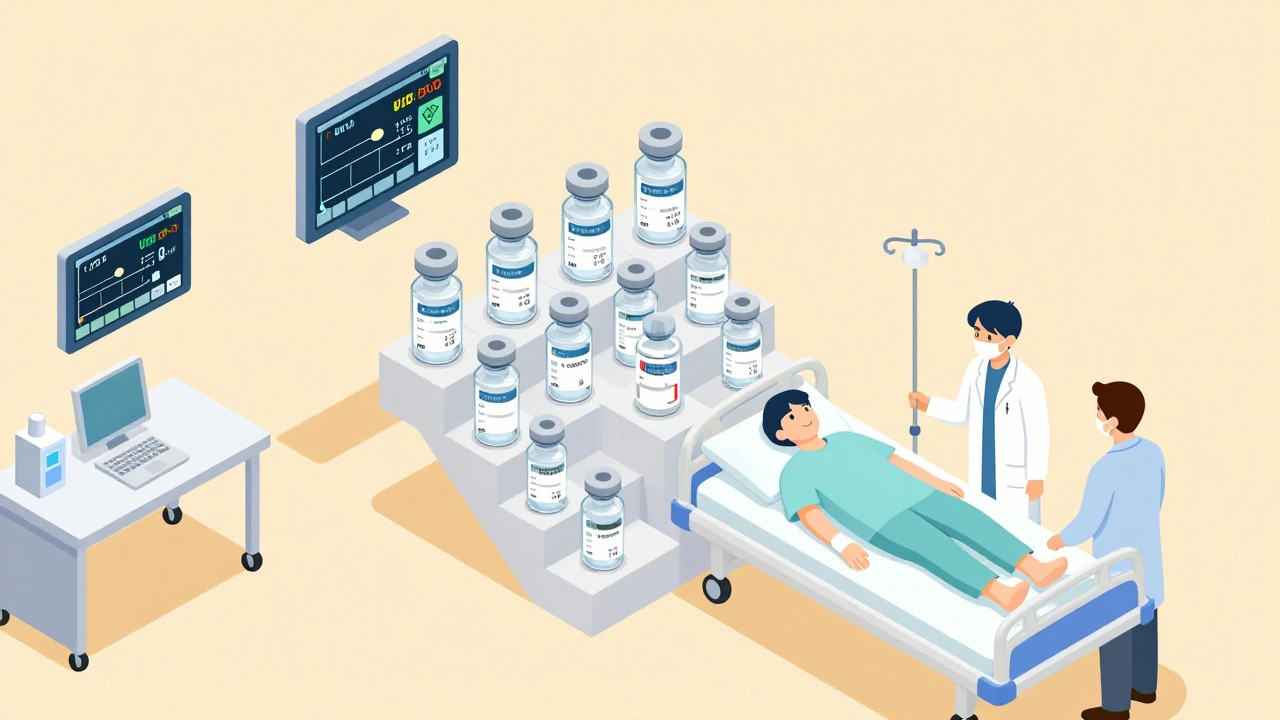
Every desensitization is customized. But most follow a standard pattern based on decades of clinical experience. For intravenous drugs (like chemo or antibiotics), the most common protocol uses 12 steps. It starts with a dose that’s 1/10,000th of the full therapeutic dose. Each step doubles the amount, given every 20 to 30 minutes. The full dose is usually reached in 5 to 6 hours. For oral drugs like aspirin or NSAIDs, the process is slower. Doses are given every hour or more, and it can take days to complete. Aspirin desensitization, for example, might start with 5 mg and increase by 5 mg every hour until reaching 325 mg-sometimes over two or three days. Here’s how a typical IV protocol looks:- Step 1: 1/10,000th of full dose
- Step 2: 1/5,000th
- Step 3: 1/2,500th
- Step 4: 1/1,250th
- Step 5: 1/625th
- Step 6: 1/312th
- Step 7: 1/156th
- Step 8: 1/78th
- Step 9: 1/39th
- Step 10: 1/20th
- Step 11: 1/10th
- Step 12: Full therapeutic dose
What Happens During the Procedure?
Desensitization is never done at home. It must happen in a hospital or specialized allergy clinic with immediate access to emergency equipment and trained staff. Before it starts, the medical team reviews your full history and writes a detailed protocol just for you. You’ll be monitored continuously with:- Continuous blood pressure readings
- Pulse oximetry (to check oxygen levels)
- Heart rate and breathing rate
- Physical checks for rash, swelling, or wheezing
- Spirometry (lung function test) if you have asthma
- Drop back to the last dose you tolerated
- Slow down the next increase
- Wait longer between doses
- Give you antihistamines or steroids to calm the reaction
How Long Does the Tolerance Last?
This is the most important thing to understand: the tolerance is temporary. As soon as you stop taking the drug for more than 48 hours, your allergy returns. That means if you miss a dose, or if your treatment is paused for any reason, you’ll need to go through the full desensitization again. This is why patients on long-term drugs like monoclonal antibodies for rheumatoid arthritis or Crohn’s disease often receive weekly or monthly infusions without interruption. If you’re on chemotherapy, you get the full dose every cycle because stopping-even for a few days-means starting over.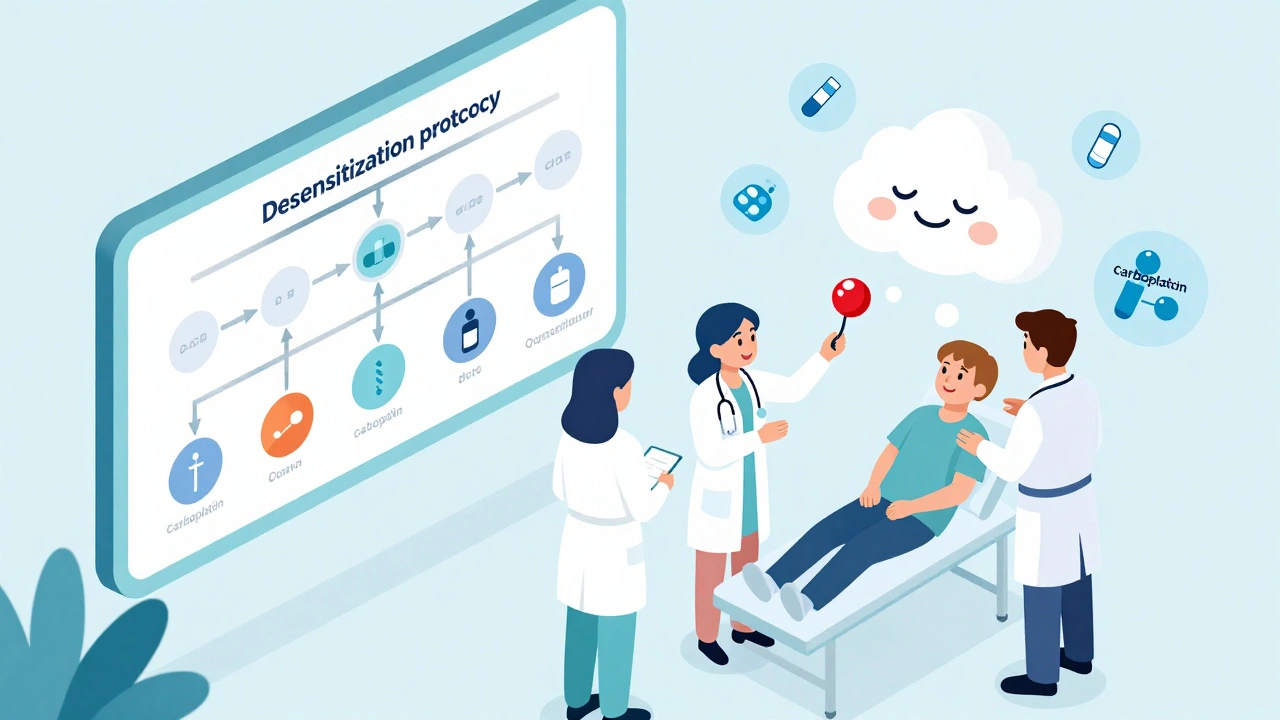
Success Rates and Real-World Impact
When done by experienced teams using standardized protocols, desensitization is over 90% successful. At Brigham and Women’s Hospital, Dr. Mariana C. Castells and her team have helped thousands of patients complete life-saving treatments they would have otherwise had to abandon. In oncology, patients who were allergic to carboplatin but needed it for ovarian or lung cancer were able to finish their full course of treatment. Many lived longer because they didn’t have to switch to less effective drugs. For people with asthma and aspirin sensitivity, desensitization can reduce not just their allergic reactions but also their asthma attacks and nasal polyps. Some patients report better breathing and fewer sinus surgeries after completing aspirin desensitization.Why Can’t You Just Take a Different Drug?
Sometimes you can. But often, you can’t. For example:- Carboplatin is the least toxic platinum-based chemo for ovarian cancer. Alternatives like cisplatin are more likely to damage kidneys and nerves.
- Penicillin is still the most effective drug for syphilis and certain strep infections. Alternatives are less effective or cause more side effects.
- Monoclonal antibodies like infliximab are often the only drugs that control severe Crohn’s disease. No other biologic works as well for some patients.
What Happens After You Finish?
Once you’ve received the full dose, you’re usually observed for another hour. If all’s well, you can go home. But you’ll need to take the drug again on schedule. If you miss a dose, you must contact your doctor immediately. Don’t just show up for your next infusion thinking you’re still tolerant. You’ll also need to wear a medical alert bracelet indicating your drug allergy and that you’ve undergone desensitization. This is critical if you ever end up in an emergency room.Where Is This Done?
Drug desensitization is only available at specialized centers-usually major academic hospitals with allergy/immunology departments. In the UK, this is offered at centers like Guy’s and St Thomas’ Hospital in London, or the Royal Brompton Hospital. In the US, Brigham and Women’s Hospital leads the field, but similar programs exist at Mayo Clinic, Cleveland Clinic, and Johns Hopkins. It’s not something your local GP can do. It requires a team: an allergist, a nurse trained in infusion protocols, and immediate access to epinephrine, IV steroids, and ventilatory support.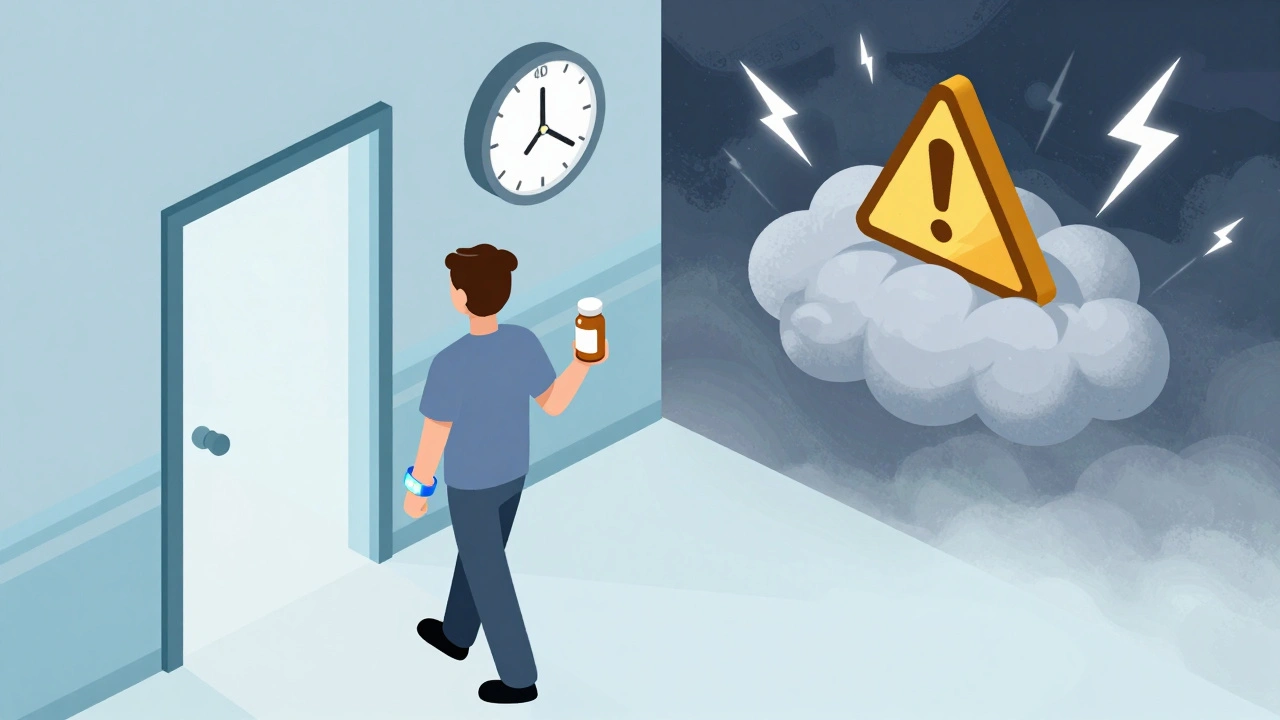
Is It Safe?
Yes-when done correctly. The risk of a severe reaction during desensitization is about 5-10%, but nearly all of those are manageable with quick intervention. Deaths during the procedure are extremely rare. The bigger risk is not doing it. For many patients, avoiding the drug means dying sooner.What If You React During the Process?
Reactions are expected sometimes. That’s why the protocol is built to adapt. A mild rash or itching might mean slowing down. A drop in blood pressure might mean pausing and giving epinephrine. The team doesn’t see reactions as failures-they’re signals. The key is having experienced staff who know how to adjust the protocol on the fly. That’s why you can’t do this in a regular clinic. It’s not just about giving drugs-it’s about reading the body’s response and changing course in real time.What’s Next for Drug Desensitization?
As more targeted therapies come out-like new cancer drugs, gene therapies, and biologics-desensitization is becoming more important. The American Academy of Allergy, Asthma & Immunology updated its guidelines in 2022 to include newer drugs like immune checkpoint inhibitors (e.g., pembrolizumab) and tyrosine kinase inhibitors. Research is also exploring whether shorter protocols or pre-medication with antihistamines can reduce side effects. But the core method hasn’t changed much in 30 years because it works.Final Thoughts
Drug desensitization isn’t magic. It’s science. It’s patience. It’s a team of experts working carefully to give someone a chance they wouldn’t otherwise have. If you’ve been told you can’t take a life-saving drug because of an allergy, ask your doctor: Is desensitization an option? Don’t assume it’s too risky or not available. Many patients never even hear about it until it’s too late. The right team can make the difference between giving up on treatment-and getting more time.Can I try drug desensitization at home?
No. Drug desensitization must be done in a hospital or specialized allergy clinic under constant medical supervision. Emergency medications like epinephrine, IV steroids, and oxygen must be immediately available. Attempting this at home is extremely dangerous and can be fatal.
How long does the entire process take?
For intravenous drugs like antibiotics or chemotherapy, it usually takes 5 to 6 hours. For oral drugs like aspirin or NSAIDs, it can take days, with doses given every hour or longer. The exact time depends on the drug, your reaction history, and how your body responds during the procedure.
Will I be allergic to the drug forever after desensitization?
No. Desensitization creates temporary tolerance. If you stop taking the drug for more than 48 hours, your allergy returns. You’ll need to repeat the full desensitization process if you need the drug again after a break.
Are there any drugs that can’t be desensitized?
Yes. Desensitization is not safe for patients who’ve had severe skin reactions like Stevens-Johnson syndrome, toxic epidermal necrolysis, or drug-induced liver or kidney damage. These involve different immune pathways and carry a high risk of recurrence with fatal outcomes.
What if I have asthma? Can I still be desensitized?
Yes, but extra care is needed. Your lung function will be monitored with spirometry before and after each dose. If your asthma is poorly controlled, the team may delay the procedure until it’s stable. Aspirin desensitization, in particular, can actually improve asthma symptoms in some patients over time.
How do I find a center that offers drug desensitization?
Start by asking your allergist or oncologist. Major academic medical centers with allergy/immunology departments typically offer this service. In the UK, centers like Guy’s and St Thomas’ Hospital in London or the Royal Brompton Hospital have established programs. In the US, Brigham and Women’s Hospital, Mayo Clinic, and Cleveland Clinic are leaders. Insurance usually covers it when medically necessary.
Can children undergo drug desensitization?
Yes. Children with life-threatening allergies to antibiotics or chemotherapy drugs can be desensitized. Protocols are adjusted for weight and age, and the process is even more closely monitored. Pediatric allergy centers at major children’s hospitals routinely perform these procedures.
What should I bring to my desensitization appointment?
Bring a list of all your medications, your allergy history, any previous reaction reports, and a list of questions. Wear comfortable clothing. Bring something to read or watch, since the process takes several hours. Don’t eat a heavy meal beforehand-some patients feel nauseous during the procedure.
Is desensitization covered by insurance?
Yes, in most cases. Insurance companies recognize it as medically necessary when no alternatives exist. Your provider will need to submit documentation showing the allergy, the need for the drug, and the lack of safe alternatives. Pre-authorization is usually required.
What’s the difference between desensitization and tolerance?
Tolerance means your body no longer reacts to the drug at all-like someone who outgrew a peanut allergy. Desensitization is temporary and requires continuous exposure. If you stop taking the drug, the allergy comes back. It’s not a cure-it’s a bridge to get you through treatment.


