Imagine walking up to the pharmacy counter, handing over your prescription, and leaving with a bottle of medication that isn't yours. It sounds like a scene from a bad movie, but wrong-patient errors are a real and dangerous reality in healthcare today. These aren't just minor mix-ups; they can lead to severe allergic reactions, fatal drug interactions, or patients missing critical life-saving treatments. In fact, these preventable mistakes contribute to approximately 1.3 million emergency department visits annually in the United States alone.
For pharmacists, technicians, and patients alike, the question is no longer "if" an error might happen, but "how" we stop it before the bag leaves the counter. The good news? We have the tools, protocols, and technology to make this specific type of error virtually extinct. This guide breaks down exactly how pharmacies are preventing these errors right now, what you can do as a patient, and why the industry is shifting toward stricter verification standards.
The Two-Identifier Rule: Your First Line of Defense
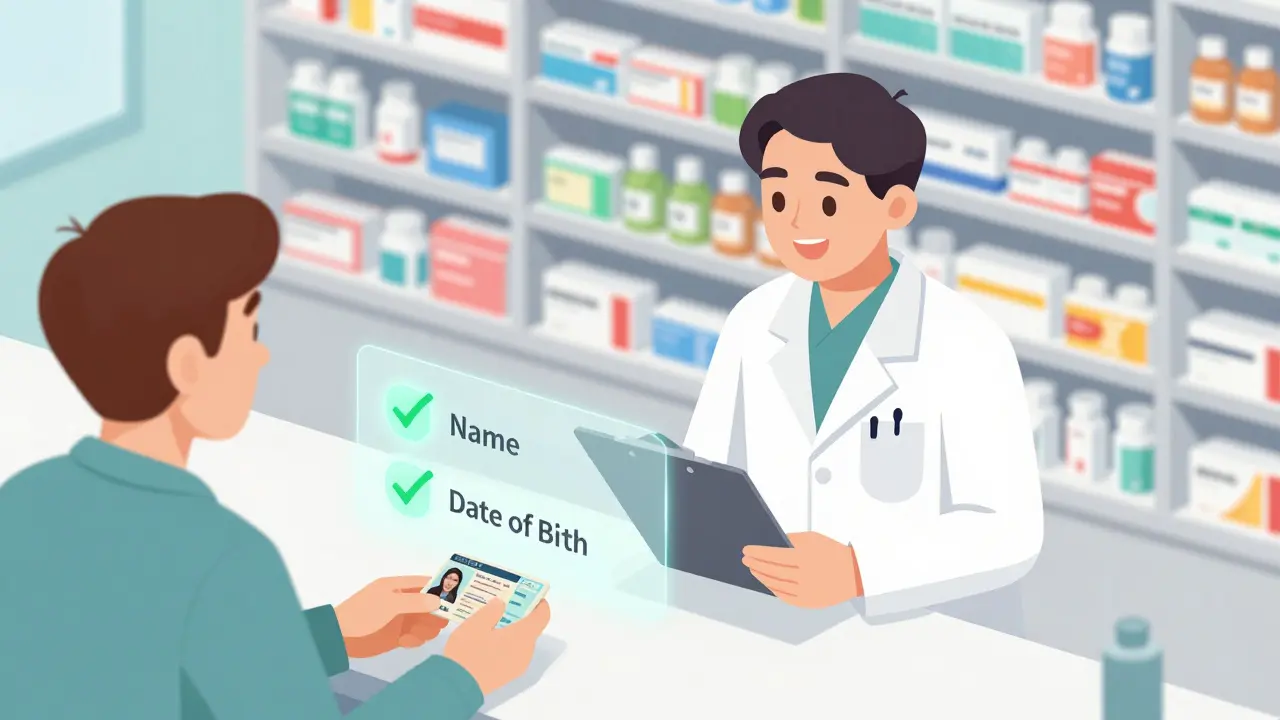
The most fundamental step in preventing wrong-patient errors is simple yet powerful: verify identity using two distinct identifiers. For years, many pharmacies relied solely on a first name and last name. But as anyone who has ever met someone named Smith or Johnson knows, names are not unique. Sound-alike and look-alike names account for about 22% of wrong-patient errors in community pharmacies, according to ECRI Institute data.
To fix this, major chains like CVS Health, Walgreens, and Walmart Pharmacy have adopted strict protocols requiring staff to ask for both the patient's full legal name and their date of birth (DOB) before releasing any medication. This matches the standard mandated by The Joint Commission for hospital settings. When you hear the technician ask, "Can I confirm your date of birth?" don't be offended-they are literally saving your life.
- Name: Must match the prescription label exactly.
- Date of Birth: Provides a unique numerical check that names cannot offer.
- Address: Sometimes used as a secondary check if DOB is uncertain.
This manual verification process reduces errors by approximately 45%. However, human fatigue sets in during busy shifts. That’s why relying on memory or visual checks alone is insufficient. We need technology to back up our eyes.
Technology That Stops Mistakes Before They Happen
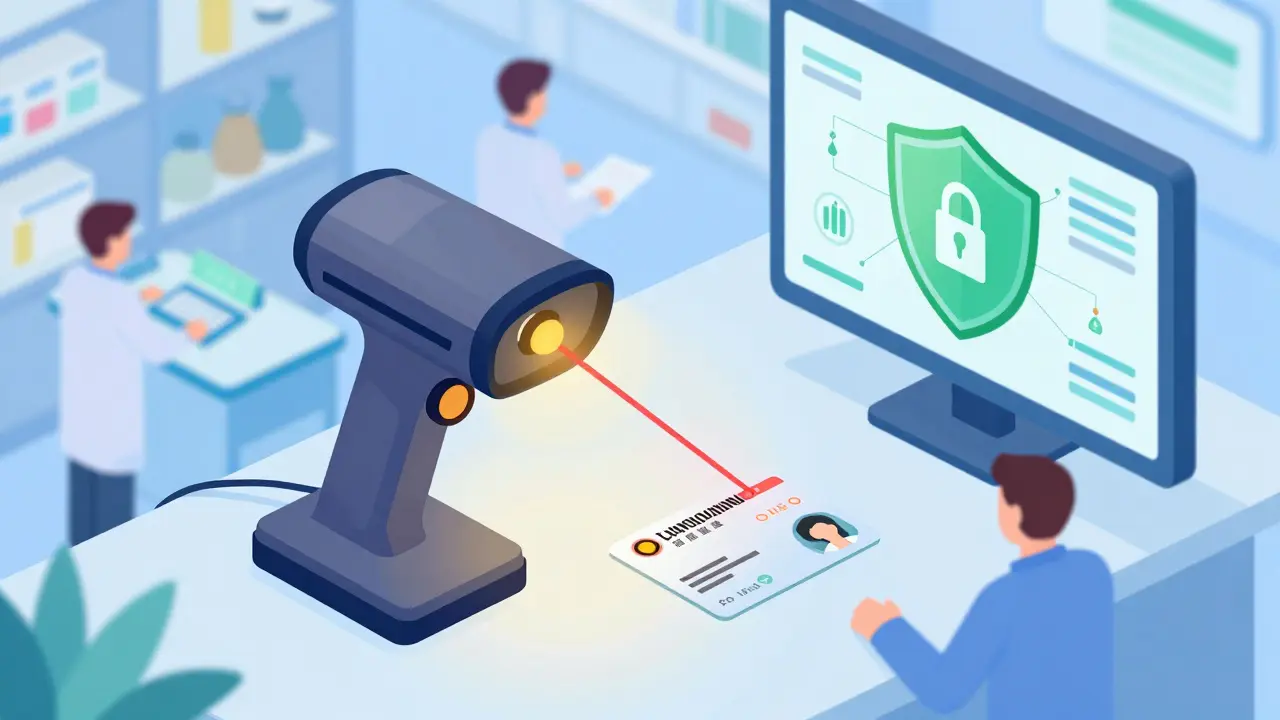
If manual checks are the foundation, technology is the steel beam reinforcing the structure. Barcode scanning systems have become the gold standard for accurate dispensing. Here’s how it works: instead of just reading a paper slip, the pharmacist scans the barcode on your ID card or insurance card. The system instantly cross-references this data with the prescription record in the pharmacy information system.
The results are striking. After implementing barcode scanning across more than 9,000 locations, Walgreens reported a 63% reduction in wrong-patient errors within just 18 months. In hospital settings, where Radio Frequency Identification (RFID) wristbands are used alongside barcodes, studies show an even higher error reduction rate of 78%.
| Method | Error Reduction Rate | Implementation Cost | Key Limitation |
|---|---|---|---|
| Manual Dual-Identifier (Name + DOB) | ~45% | Low (Training only) | Vulnerable to human error/fatigue |
| Barcode Scanning Systems | 63-78% | High ($15k-$50k per location) | Workflow bottlenecks during peak hours |
| Combined Approach (Tech + Counseling) | 89% | Medium-High | Requires cultural shift in staffing |
Software systems like PioneerRx and QS/1 now include mandatory fields that prevent the transaction from completing until both identifiers are confirmed. You physically cannot finish the sale without the digital green light. This removes the temptation to "just let them go" when the line is long.
The Critical Role of Patient Counseling
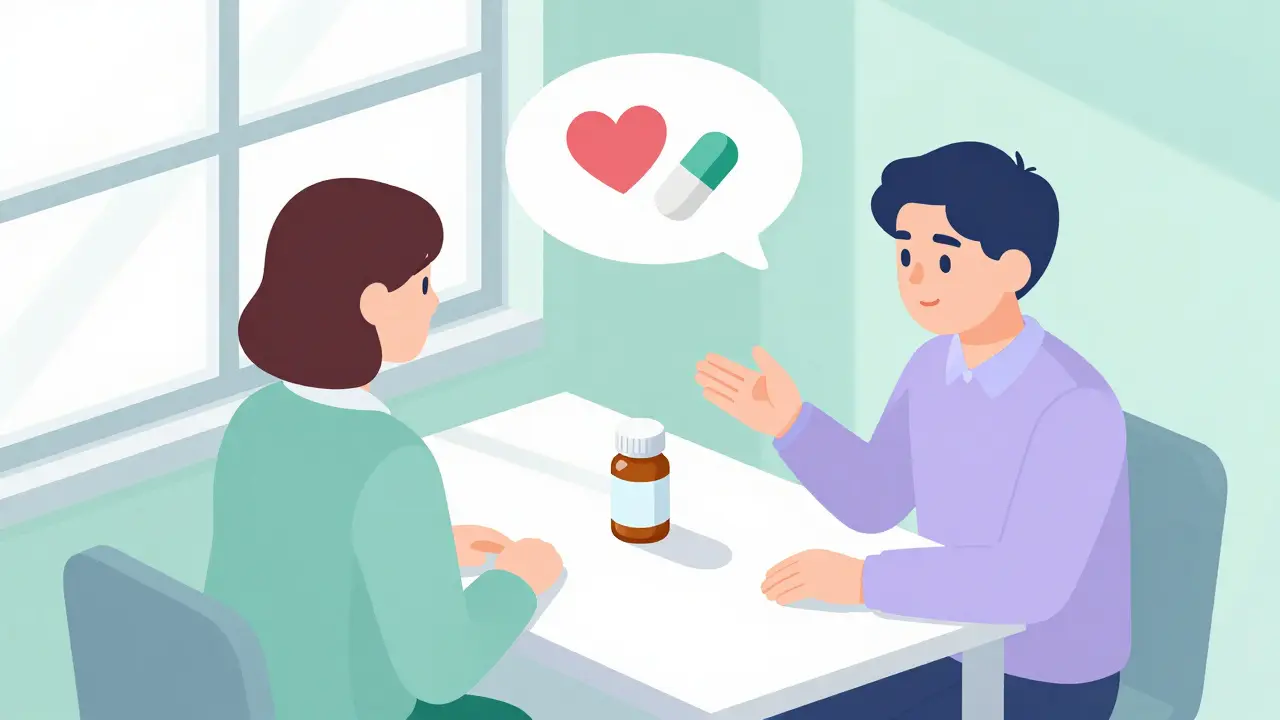
Here is a surprising statistic: approximately 83% of dispensing errors are discovered and corrected during the final counseling session with the pharmacist. This makes patient counseling not just a nice-to-have service, but a critical safety net.
During this face-to-face interaction, the pharmacist reviews the medication name, dosage, and purpose. If a patient picks up a box labeled "Lisinopril" for high blood pressure but was actually prescribed "Metformin" for diabetes, the discrepancy usually becomes obvious here. The patient might say, "Wait, I’m not taking anything for my heart," triggering an immediate stop.
However, this step requires engagement from the patient. Don’t skip the counseling window because you’re in a hurry. Take those extra two minutes. Ask questions. Confirm that the medication looks like what you expect. This shared responsibility creates a robust barrier against errors.
Challenges in Implementation: Why It Doesn’t Always Work
Despite clear benefits, implementation isn't smooth sailing. A March 2025 discussion on the Pharmacy Times Community Forum highlighted a common complaint: barcode systems create workflow bottlenecks. During peak hours, scanning every ID slows down the line, leading to pressure from managers or frustrated customers to bypass protocols.
Furthermore, patient resistance is real. ECRI Institute’s 2024 consumer survey found that while 68% of patients appreciate the extra safety check, 22% feel frustrated by repeated questioning. This friction is particularly high among elderly patients who may have memory challenges or find the process demeaning.
Successful pharmacies address these issues through strategic scheduling-adding staff during peak times-and patient education. Simple signs explaining, "We ask for your DOB to keep you safe," help reduce frustration. The goal is to build a culture where any staff member feels empowered to stop the entire process if identification is uncertain, regardless of how busy the store is.
What Patients Can Do to Stay Safe
You are the last checkpoint in the chain. Pharmacists and technicians are trained professionals, but they are human. Here is how you can protect yourself:
- Carry Valid ID: Always bring a photo ID or insurance card with a barcode when picking up prescriptions. This speeds up the verification process and ensures accuracy.
- Know Your Medications: Familiarize yourself with the shape, color, and imprint of your pills. If the new refill looks different, speak up immediately.
- Verify the Label: Before you leave the counter, check the name on the bottle. Does it match yours? Is the date of birth correct?
- Engage in Counseling: Use the pharmacist consultation time to double-check the medication’s purpose. If something feels off, trust your gut.
- Report Near-Misses: If you notice a mistake was almost made, report it. This helps the pharmacy improve its processes.
The Future: Biometrics and AI
We are standing on the brink of a new era in pharmacy safety. Next-generation biometric identification systems are currently being piloted. Walgreens launched a fingerprint verification pilot in 500 locations in early 2025, achieving 92% accuracy in matching patients to prescriptions. While privacy concerns have slowed widespread adoption, the trend is clear.
Looking further ahead, AI-assisted patient identification using voice recognition and facial matching is expected to become standard in 70% of pharmacies by 2027. Dr. Robert99, Chief Safety Officer at Lumistry, predicts these technologies could reduce wrong-patient errors to near-zero levels. However, experts caution that technology alone is not a silver bullet. The most effective strategy remains a comprehensive approach combining technological safeguards, standardized protocols, and an empowered staff culture.
The target set by the Pharmacy Quality Alliance is ambitious but achievable: zero wrong-patient errors by 2030. With the right combination of tech, training, and patient awareness, we can get there.
Why do pharmacists ask for my date of birth?
Pharmacists ask for your date of birth as part of a dual-identifier verification process. Since many people share similar names, your date of birth provides a unique numerical check to ensure the medication is released to the correct person. This protocol significantly reduces the risk of wrong-patient errors.
What should I do if I suspect I received the wrong medication?
Do not take the medication. Return to the pharmacy immediately with the bottle. Ask to speak to the pharmacist or manager. They will verify the prescription against their records and correct the error. If you have already taken a dose, contact your doctor or poison control center immediately.
Are barcode scanners mandatory in all pharmacies?
While not universally mandated by federal law for all community pharmacies, major chains like CVS, Walgreens, and Walmart have implemented them voluntarily due to their effectiveness. Hospital pharmacies often use more advanced systems like RFID. Adoption rates vary, with independent pharmacies lagging behind due to cost constraints.
How much does it cost for a pharmacy to implement these safety systems?
Implementing comprehensive barcode scanning systems typically costs between $15,000 and $50,000 per pharmacy location for hardware and software integration. Manual verification protocols require only staff training, which is significantly cheaper but less effective at preventing errors.
Can I refuse to provide my date of birth at the pharmacy?
Technically, you can refuse, but the pharmacy may also refuse to dispense the medication. Most state boards of pharmacy and national guidelines require dual-identifier verification for safety reasons. Providing your DOB is a quick way to ensure you receive the correct medication safely.