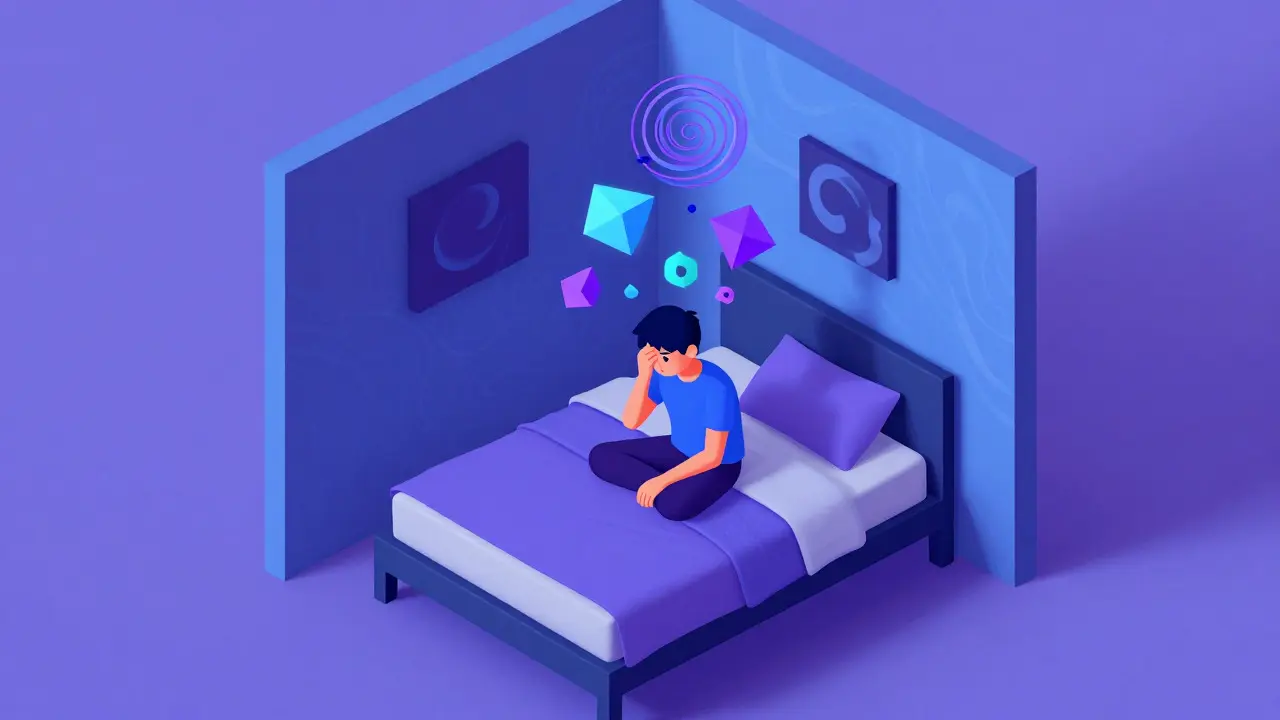
Imagine waking up one day and realizing the world looks completely different. The whispers in your head feel real. The patterns on the wall seem to move with intent. This isn't a movie plot; for many young people, this is the terrifying onset of First-Episode Psychosis (FEP), the initial occurrence of psychotic symptoms where an individual experiences disruptions to thoughts and perceptions that make it difficult to distinguish reality from imagination. It involves hallucinations, delusions, disorganized speech, and abnormal behaviors. For families watching a loved one slip away, the fear is paralyzing. But here is the crucial fact that changes everything: how you respond in those first few months determines the trajectory of their entire life.
The window of opportunity is narrow but powerful. Research indicates that treatment initiated within the first twelve weeks of symptom onset yields substantially better results. A delay of just three to six months can lead to irreversible functional decline. This article breaks down exactly what happens during FEP, why early intervention works, and how families can become the strongest part of the recovery team.
Understanding First-Episode Psychosis
To fight FEP, you first need to understand what it is. It is not a character flaw or a lack of willpower. It is a medical condition affecting the brain's ability to process information. When someone experiences FEP, their brain is essentially misfiring in specific circuits related to perception and thought organization.
Symptoms generally fall into three categories:
- Positive Symptoms: These are additions to normal experience, such as hearing voices (auditory hallucinations) or believing things that aren't true (delusions).
- Negative Symptoms: These involve losses, such as reduced emotional expression, social withdrawal, or lack of motivation.
- Cognitive Symptoms: Issues with memory, attention, and decision-making.
Most cases emerge between ages 15 and 35. This is a critical developmental period, making early detection vital. If you notice sudden changes in behavior, sleep patterns, or social engagement in a teenager or young adult, do not wait. Contact a mental health professional immediately.
The Power of Coordinated Specialty Care
In the past, treatment often meant seeing a psychiatrist for medication and hoping for the best. Today, the gold standard is Coordinated Specialty Care (CSC), a multidisciplinary approach providing integrated services including medication management, psychotherapy, family support, case management, and supported employment or education. This model was proven effective by the National Institute of Mental Health's RAISE project and its NAVIGATE protocol.
CSC brings together a team of experts who work collaboratively. Instead of fragmented care, the patient has a single point of contact-a case manager-who coordinates everything. Here are the five core components of CSC:
- Case Management: Person-centered coordination. During acute phases, contact frequency is recommended at 2-3 times weekly to ensure stability.
- Medication Management: Guideline-based use of antipsychotics. Crucially, doses are kept lower than for chronic cases to minimize side effects. Second-generation antipsychotics are typically started at half the lower limit of standard dosing ranges.
- Recovery-Oriented Psychotherapy: Cognitive behavioral therapy adapted for psychosis. Sessions focus on resilience training and illness management, usually held weekly for the first six months.
- Family Psychoeducation: Structured sessions for the family unit, minimum 8-12 sessions over six months, which have been shown to reduce relapse rates by 25%.
- Supported Employment and Education: Individualized coaching using the Individual Placement and Support (IPS) methodology. This approach achieves competitive employment rates of 50-60%, compared to 20-30% in traditional vocational rehab.
| Metric | Coordinated Specialty Care (CSC) | Standard Community Care |
|---|---|---|
| Treatment Retention | 65-75% | 40-50% |
| Symptom Reduction Speed | 30-40% faster | Baseline |
| Functional Recovery (GAF Scale) | 20-25 point improvement | 10-15 point improvement |
| Work/School Involvement | 40% higher rates | Lower baseline |
The data is clear. Participants in CSC programs remain in treatment longer, see greater improvements in quality of life, and return to work or school at significantly higher rates. Dr. John Kane, Chair of Psychiatry at Zucker Hillside Hospital, notes that the first 12 months after onset represent a neuroplastic period where appropriate intervention can significantly alter the disease trajectory.

The Critical Role of Family Support
Families are not just bystanders; they are essential partners in recovery. However, supporting someone through FEP is emotionally exhausting. Guilt, fear, and confusion are common reactions. This is where family psychoeducation comes in.
Structured family therapy does more than offer comfort. It teaches practical skills. You learn how to communicate effectively without escalating anxiety. You understand the biological basis of the illness, which reduces blame. Most importantly, you learn to recognize early warning signs of relapse.
Research shows that when families are actively engaged, relapse rates drop by 25%. Yet, only 55% of eligible family members participate consistently in these programs. Barriers include stigma, logistical challenges, and a lack of awareness about available resources. Programs like Louisiana's FEP Treatment Programs have innovated by offering telehealth options, which increased family participation by 35% during recent years.
As a family member, your role is to provide a low-stress environment. High levels of expressed emotion-criticism, hostility, or over-involvement-can trigger relapses. Instead, aim for warmth and acceptance. Celebrate small victories. If your loved one gets out of bed, that’s progress. If they attend one therapy session, that’s a win.
Navigating Medication and Side Effects
Medication is a cornerstone of FEP treatment, but it requires careful management. Antipsychotic medications help correct chemical imbalances in the brain. However, they come with potential side effects that can be daunting.
Dr. Raquel Gur, Professor of Psychiatry at the University of Pennsylvania, emphasizes that metabolic monitoring must begin at medication initiation. Second-generation antipsychotics carry a 4-7 fold increased risk of metabolic syndrome. This means weight gain, high blood sugar, and cholesterol issues are real concerns.
Best practices include:
- Measuring weight, waist circumference, and fasting glucose at baseline.
- Conducting quarterly checks thereafter.
- Avoiding high-dose antipsychotics (>400mg chlorpromazine equivalent), as NICE guidelines recommend against them due to increased side effects without additional benefit.
Shared decision-making is key. Discuss all options with your psychiatrist. If side effects are intolerable, there are alternatives. Do not stop medication abruptly, as this can cause severe withdrawal and rapid relapse.

Accessing Care and Overcoming Barriers
Despite the evidence, accessing CSC remains challenging. Only 35% of U.S. counties have access to certified CSC programs. Rural areas are particularly underserved, with 62% lacking any access. Insurance coverage is another hurdle; only 31 states have Medicaid waivers specifically covering all CSC components.
If you are looking for help, start by contacting local community mental health centers. Ask specifically if they offer "early psychosis" or "coordinated specialty care" programs. Organizations like the National Council for Mental Wellbeing maintain directories of certified programs. Additionally, the VA/DOD Clinical Practice Guidelines provide a framework for evidence-based care that many providers follow.
For immediate crises, mobile crisis units are becoming more common. These teams can respond quickly, reducing time-to-treatment to under 14 days in some regions. Don't hesitate to use emergency services if safety is at risk.
Looking Ahead: Recovery and Resilience
Recovery from FEP is a marathon, not a sprint. The goal is not just symptom reduction but a meaningful life. Supported employment and education play a huge role here. Returning to school or work provides structure, purpose, and social connection.
Future directions include digital health integration. Apps like 'PRIME Care' allow for real-time symptom monitoring, showing promise in reducing hospitalizations by 30% in early trials. The National Institute of Mental Health is also investing heavily in biomarker research to enable even earlier detection.
While challenges persist, the outlook is hopeful. With timely intervention, comprehensive care, and strong family support, individuals with FEP can achieve significant recovery. Remember, you are not alone in this journey. Seek out support groups, educate yourself, and advocate for your loved one's needs.
What is the difference between First-Episode Psychosis and Schizophrenia?
First-Episode Psychosis (FEP) refers to the first occurrence of psychotic symptoms, regardless of the final diagnosis. While FEP is often the precursor to schizophrenia, it can also be caused by bipolar disorder, severe depression, substance use, or medical conditions. Early intervention during FEP aims to prevent progression to chronic disorders like schizophrenia.
How long does Coordinated Specialty Care last?
CSC programs typically run for two to four years. The RAISE-2 study demonstrated that extending care beyond two years to four years helps maintain gains in functional outcomes, with 68% of participants sustaining employment or education involvement at 48 months.
Can psychosis be cured?
Psychosis is often manageable rather than curable in the traditional sense. Many individuals achieve full remission of symptoms and live independently. Others may require ongoing support. The key is early intervention, which significantly improves the likelihood of a positive long-term outcome.
What should I do if my teen shows signs of psychosis?
Act quickly. Contact a pediatrician or mental health professional immediately. Look for signs like social withdrawal, unusual beliefs, hearing voices, or a sudden drop in academic performance. The sooner treatment begins, the better the prognosis. Try to keep communication calm and non-judgmental.
Is medication always necessary for FEP?
In most cases, yes. Antipsychotic medication is a core component of evidence-based treatment for FEP. However, doses are carefully managed to minimize side effects. Psychotherapy and family support are equally important parts of the treatment plan. Shared decision-making with a psychiatrist ensures the best approach for the individual.