Medication & Beverage Interaction Checker
Select Your Parameters
Select a medication and beverage to see the risk level, specific effects, and recommended timing.
That morning cup of coffee or a piece of dark chocolate might be doing more than just waking you up-it could be sabotaging your prescription medication. It sounds alarming, but the science is clear: bioactive compounds in these everyday treats interfere with how your body processes drugs. According to a 2023 University Hospitals analysis, approximately 25% of people taking prescription drugs experience significant interactions from common beverages. These aren't minor hiccups; they can lead to treatment failure, dangerous side effects, or even hospital visits.
The culprits are familiar names: caffeine, theobromine, and polyphenols. These compounds don't just sit in your stomach; they actively change drug metabolism by inhibiting enzymes like cytochrome P450, altering absorption rates, and competing for receptor sites. Understanding these hidden interactions is no longer optional for patients-it's essential for safety.
How Your Body Processes Drugs vs. Beverages
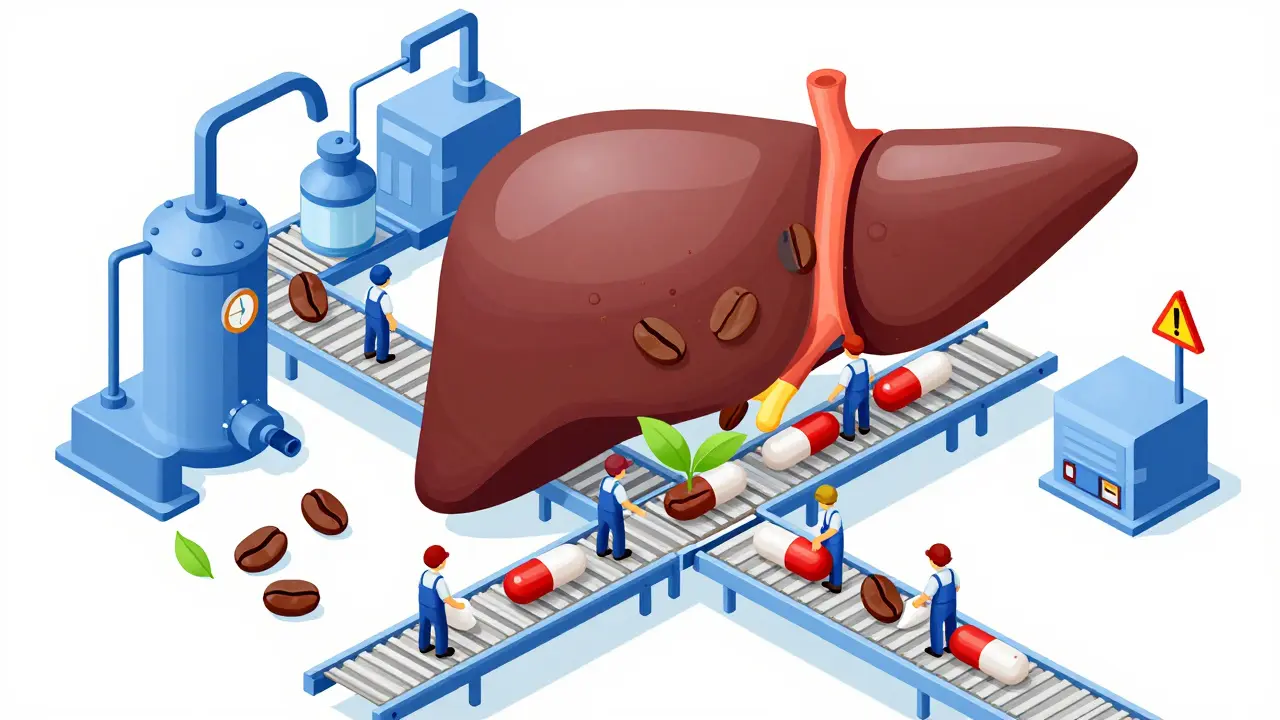
To understand why your latte matters, you need to look at the liver's filtration system. The primary mechanism involves the CYP1A2 enzyme, which metabolizes about 10% of all clinically used drugs. Coffee is a potent inhibitor of this enzyme. Research from Harvard Medical School (June 2025) shows that a single 8-ounce cup of brewed coffee-containing roughly 95mg of caffeine-can inhibit CYP1A2 activity for up to 48 hours. The peak inhibition hits just 30 minutes after consumption.
When CYP1A2 is blocked, drugs stay in your system longer or reach higher concentrations than intended. This isn't just theoretical. For example, if you take a medication that relies on this enzyme for clearance, coffee can decrease drug clearance by 23% to 37%. Meanwhile, tea introduces different challenges. Green tea contains catechins that interact with P-glycoprotein transporters. A 2024 study in Clinical Pharmacology & Therapeutics found this interaction can reduce the absorption of certain medications by up to 34%.
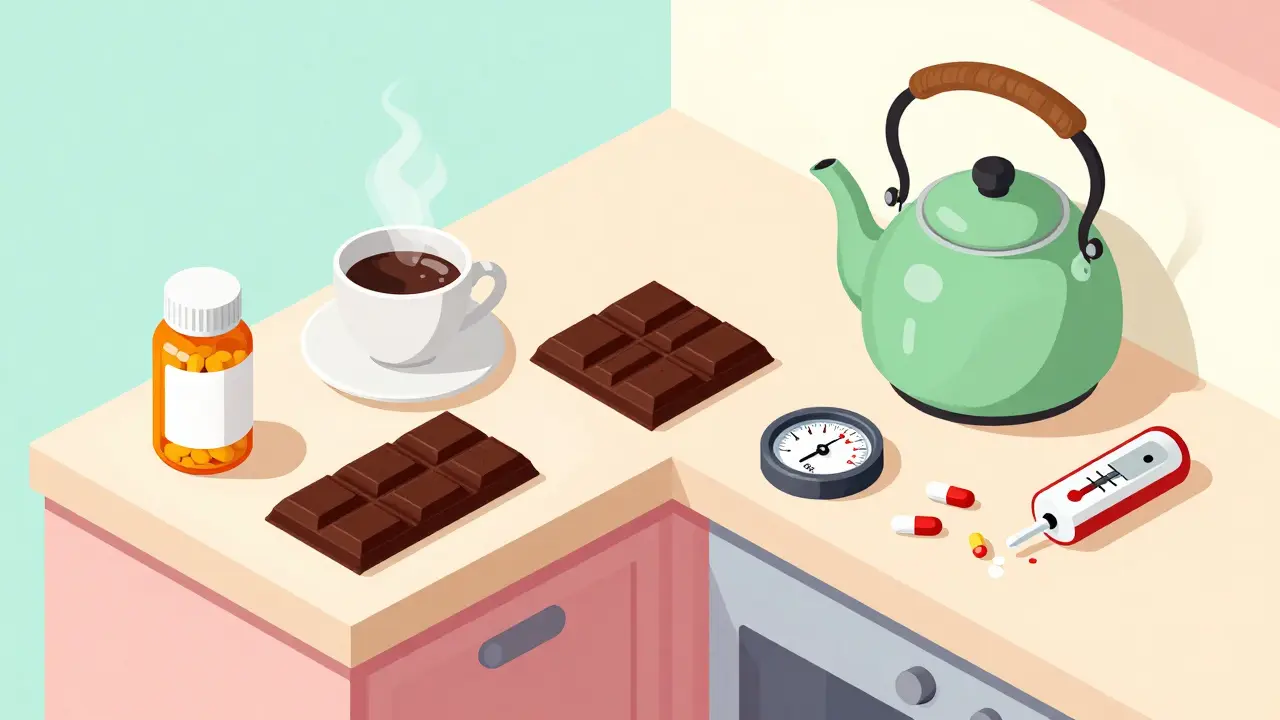
Chocolate adds another layer of complexity. Dark chocolate contains theobromine (200-450mg per 100g), which shares metabolic pathways with caffeine. Additionally, the fat content in chocolate delays gastric emptying. This means drugs taken with chocolate may be absorbed slower or less completely, changing their therapeutic effect entirely.
High-Risk Combinations: What to Avoid
Not all interactions are created equal. Some combinations are merely inconvenient, while others are genuinely dangerous. The American Pharmacists Association (2024) identifies over 40 prescription medications with clinically significant interactions with coffee, tea, or chocolate, with 15 classified as high-risk.
| Medication Class | Beverage/Food | Risk/Effect | Source/Data |
|---|---|---|---|
| Thyroid (Levothyroxine) | Coffee | Absorption reduced by 55% | J Clin Endocrinol (2023) |
| Asthma (Theophylline) | Coffee | Tachycardia risk increases 2.8x | Univ. Hospitals (2025) |
| Blood Thinners (Warfarin) | Green Tea | INR levels drop by 0.8-1.2 points | Mayo Clinic Guidelines |
| Antidepressants (Fluvoxamine) | Coffee | Plasma concentration drops 31% | JAMA Psychiatry (2024) |
| MAOIs (Phenelzine) | Dark Chocolate | Hypertensive crisis risk | WebMD (2020-2024) |
Thyroid medication users should pay special attention. Dr. Emily Chen from University Hospitals emphasizes that levothyroxine must be taken on an empty stomach with water. Waiting only 30 minutes before coffee prevents just 32% of absorption interference. You need a full 60-minute gap to achieve optimal absorption. Similarly, patients on warfarin must monitor their green tea intake closely, as the vitamin K content can rapidly alter blood clotting times.
The "Good" Interactions: When Coffee Helps
It’s not all bad news. Not every interaction is harmful. In fact, some are beneficial. Dr. Michael Smith, Chief Medical Editor at WebMD, notes that caffeine can actually enhance the efficacy of pain medications. A 2023 meta-analysis in the Journal of Pain Research confirmed that adding caffeine to acetaminophen or aspirin boosts their effectiveness by 40% without increasing side effects. This is why many over-the-counter headache remedies include caffeine as an active ingredient.
However, this benefit does not extend to all conditions. For epilepsy patients, the story is different. The FDA’s 2024 Drug Safety Communication warns that caffeine can increase seizure frequency by 37% in patients taking tiagabine (Gabitril). A PubMed study showed that 68% of epileptic patients experienced worsened symptoms with regular coffee consumption. Always check with your doctor before assuming a "natural" boost is safe for your specific condition.
Timing and Mitigation Strategies
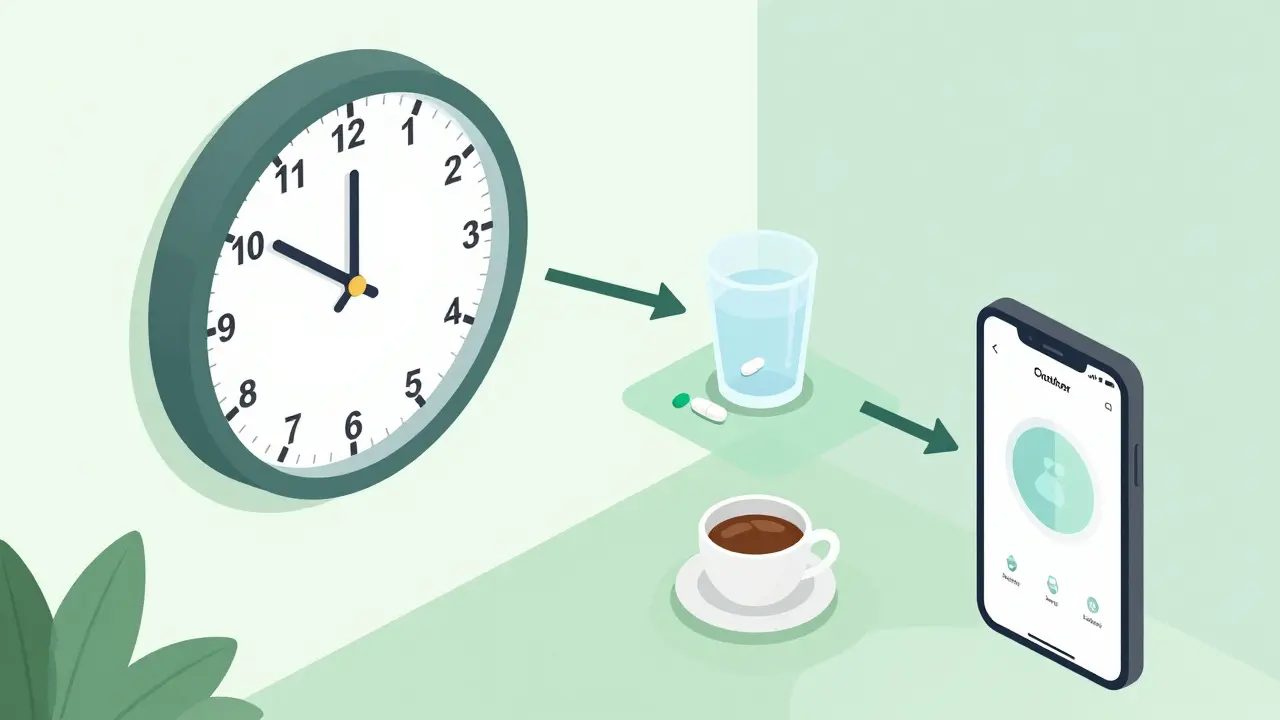
You don’t necessarily have to give up your favorite drinks, but you do need to manage them strategically. Timing is everything. Here are practical protocols based on recent clinical data:
- Thyroid Medications: Wait at least 60 minutes after taking levothyroxine before drinking coffee. Water only during this window.
- Blood Pressure Meds: Separate coffee consumption by at least 2 hours to avoid temporary systolic spikes of 15-20mmHg.
- Chemotherapy (e.g., Bortezomib): Reduce green tea steeping time from 5 minutes to 2 minutes. Mayo Clinic research shows this decreases catechin concentration by 63%, minimizing interference.
- Diabetes Meds: Be cautious with added sugars and milk in coffee, as carbohydrates can interfere with insulin sensitivity and drug efficacy.
For chocolate lovers, switching from dark to milk chocolate can help. Milk chocolate contains lower levels of theobromine (50-200mg per 100g compared to 200-450mg in dark chocolate). However, diabetes patients should weigh this against the sugar content. If you’re unsure, tools like the 'CYP1A2 Interaction Checker' app recommended by the American Pharmacists Association can provide personalized timing recommendations based on your genetics and medication list.
Real-World Impact and Future Trends
The stakes are high. Untreated beverage-drug interactions cost the healthcare system $1.2 billion annually, according to a 2024 Health Affairs study. Forty-three percent of this cost is attributed to thyroid medication inefficacy alone. Patient experiences mirror these statistics. On Reddit’s r/Pharmacy, 78% of respondents reported unintentional interactions, with one user sharing that their TSH levels remained dangerously high for three years because they took levothyroxine with coffee.
Industry awareness is growing. By 2025, 78% of U.S. pharmacies include beverage interaction warnings on prescription labels, up from 42% in 2020. Pharmaceutical companies are also innovating. AstraZeneca recently patented enteric-coated levothyroxine designed to delay release until past the stomach, specifically to counteract coffee interference. The FDA now requires explicit coffee warnings on all thyroid medication packaging.
Future research is moving toward personalization. The NIH awarded $3.2 million in February 2025 to develop AI models that predict individual interaction risks based on genetics, age, and comorbidities. Until then, the consensus from the American College of Clinical Pharmacy is clear: individualized assessment beats blanket restrictions. Moderate coffee consumption improved outcomes for 68% of patients on escitalopram in a June 2025 JAMA Internal Medicine study, challenging previous broad warnings.
Can I drink coffee with my thyroid medication?
No, you should not drink coffee immediately with thyroid medication. Studies show coffee reduces levothyroxine absorption by up to 55%. Wait at least 60 minutes after taking your pill before consuming coffee to ensure proper absorption.
Does green tea affect blood thinners like Warfarin?
Yes, green tea contains vitamin K, which can reduce INR levels by 0.8-1.2 points within 24 hours. This can make Warfarin less effective, increasing clotting risk. Monitor your intake closely and consult your doctor.
Is it safe to eat dark chocolate with MAOIs?
No, it is risky. Dark chocolate contains tyramine and theobromine, which can trigger hypertensive crises when combined with MAOIs like phenelzine. There have been documented cases of severe blood pressure spikes linked to this combination.
How long does coffee inhibit drug metabolism?
Coffee can inhibit the CYP1A2 enzyme for up to 48 hours. The maximum inhibition occurs 30 minutes after consumption. This means even one cup can significantly alter how your body processes certain drugs throughout the day.
Does coffee help or hurt pain medication?
For pain medications like acetaminophen and aspirin, coffee helps. Caffeine enhances their efficacy by 40% without adding side effects. However, for other medications, it may hinder effectiveness or cause adverse reactions.