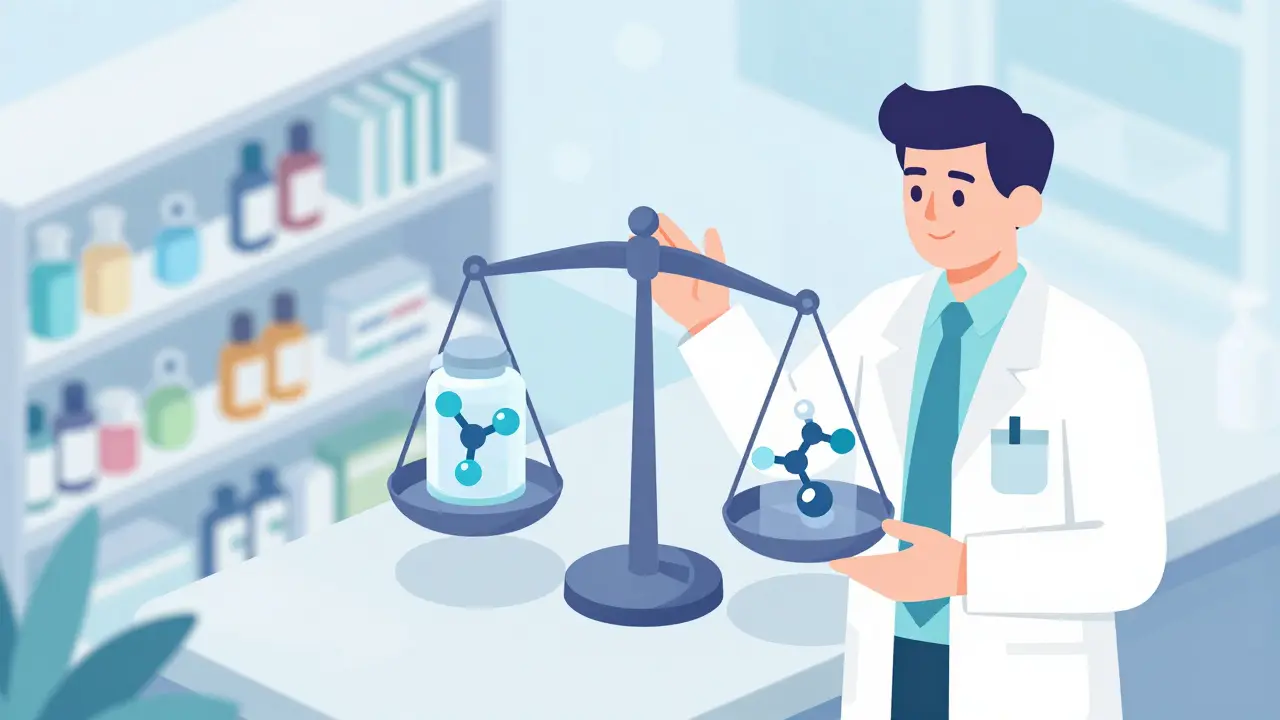
Biologics make up just 2% of all prescriptions in the U.S., but they're responsible for nearly half of all prescription drug spending. That's why biosimilarsare biologic products highly similar to an FDA-approved reference product with no clinically meaningful differences in safety, purity, and potency matter so much. Unlike generic drugs-which are chemically identical to their reference drugs-biosimilars come from living cells and can have minor structural differences. This complexity makes their substitution and counseling process very different. Pharmacists play a critical role in ensuring these life-saving treatments reach patients safely and affordably. Let's break down exactly how they do it.
What Exactly Are Biosimilars?
Biosimilars are not like generic drugs. Generics are exact copies of small-molecule drugs like aspirin or metformin. Biosimilars, however, are copies of complex biologic drugs made from living organisms-like antibodies or proteins. These drugs treat conditions like cancer, rheumatoid arthritis, and diabetes. Because they're made from living cells, even tiny changes in manufacturing can affect them. The FDAthe U.S. Food and Drug Administration requires biosimilars to show no clinically meaningful differences in safety, effectiveness, or quality compared to the original biologic. But they're not identical. This is why pharmacists must understand the nuances before substituting them.
Take pegfilgrastima biosimilar used to boost white blood cell counts during cancer treatment (Neulasta biosimilar). When pharmacists took over substitution decisions in 2021 instead of relying on doctors to approve each switch, adoption rates jumped quickly. That's because pharmacists can handle the paperwork and education while doctors focus on patient care. But this only works when pharmacists know the rules.
How Regulations Shape Substitution
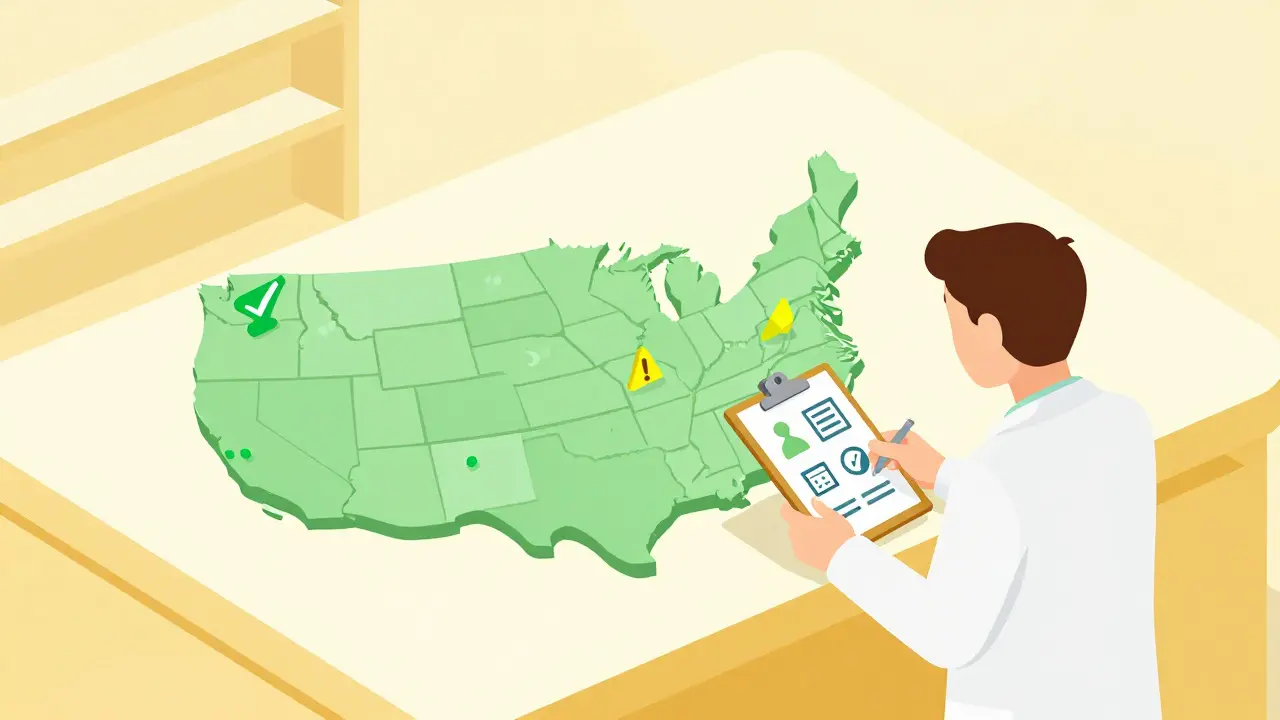
The Biologics Price Competition and Innovation Act (BPCIA)a 2009 law that created the pathway for biosimilar approval set up the rules for these drugs. It created a special category called "interchangeable" biosimilars. These can be substituted automatically like generics, without needing a new prescription. But as of November 2023, only a handful of biosimilars have this designation. Most require the prescriber to specifically approve substitution. State laws vary too-48 states have biosimilar substitution rules, but some require pharmacists to notify doctors after swapping, while others allow automatic substitution. This patchwork of rules means pharmacists must stay updated on local laws to avoid errors.
For example, if a patient's prescription says "do not substitute," pharmacists can't switch to a biosimilar even if it's available. But if the drug is labeled as "interchangeable," and state law allows it, pharmacists can make the swap independently. This is where training matters. A Journal of Managed Care & Specialty Pharmacya leading publication on pharmacy management issues study found 79.1% of pharmacists requested more education on billing and reimbursement for biosimilars-showing how much this field needs specialized knowledge.
Pharmacists as Patient Educators
Patients often worry about switching to a biosimilar. They might think it's "less effective" or "experimental." Pharmacists are trained to address these fears. When explaining biosimilars, they focus on facts: the FDA requires rigorous testing, and studies show no difference in safety or results. One pharmacist shared on Reddit that when they explain, "The FDA requires biosimilars to have the same clinical effect with no meaningful differences," most patients feel comfortable with the switch.
But education isn't just about words-it's also about practical details. If a biosimilar looks different (like a smaller pill or different color), patients might stop taking it. Research shows appearance changes make patients 21% more likely to quit treatment. Pharmacists prepare patients for this upfront. They might say, "This pill is a different color, but it works just as well. Let me show you how to take it." They also check if patients can handle the delivery device (like an auto-injector) safely. These small steps keep people on therapy.
Real-World Success Stories
The US Oncology Networka network of cancer treatment centers turned biosimilar adoption around by shifting substitution decisions to pharmacists. Before 2021, doctors handled every switch, causing delays and frustration. After training all staff-including physicians, nurses, and pharmacists-and letting pharmacists manage substitutions, adoption rates rose fast. For pegfilgrastim, bioconversion happened "rapidly" once pharmacists took charge. Daily interruptions for approval requests dropped to zero after doctors signed acknowledgment forms about automatic substitution.
This success came from clear workflows. Pharmacists now review every prescription, check state laws, document the swap in the electronic health record, and explain the change to patients. They also track batch numbers for safety monitoring. This traceability is critical. If a problem arises, pharmacists can quickly identify which batch was used. The International Federation of Pharmaceutical Manufacturers & Associations (IFPMA)a global industry group for drug manufacturers stresses that "traceability measures are particularly important for pharmacovigilance when implementing pharmacy-mediated substitution with biosimilars."
Challenges Pharmacists Face
Despite progress, obstacles remain. Some doctors resist biosimilar substitution. A Student Doctor Network thread described a physician who got angry when a pharmacist substituted a biosimilar and now insists on "dispense as written" for all biologics. This creates tension between pharmacists and prescribers. Clear communication protocols help-like sending a note to the doctor explaining the switch and why it's safe.
Another issue is reimbursement. Payers sometimes favor the original biologic through rebates, making biosimilars less financially appealing. Pharmacists must navigate these complexities while keeping costs down for patients. For example, they might help patients apply for patient assistance programs or find lower-cost alternatives. A American Journal of Managed Carea publication focused on healthcare cost management report noted that "amending state laws to allow greater automatic pharmacist substitution" is needed to improve uptake. Until then, pharmacists act as advocates, ensuring patients get the best care possible within the system.
What Pharmacists Need to Know
Practical steps for pharmacists include:
- Know state laws: Check if substitution is allowed automatically or requires doctor approval. Some states require documentation of the swap.
- Document everything: Record the specific product name, batch number, and date of substitution. This helps track issues and supports pharmacovigilance.
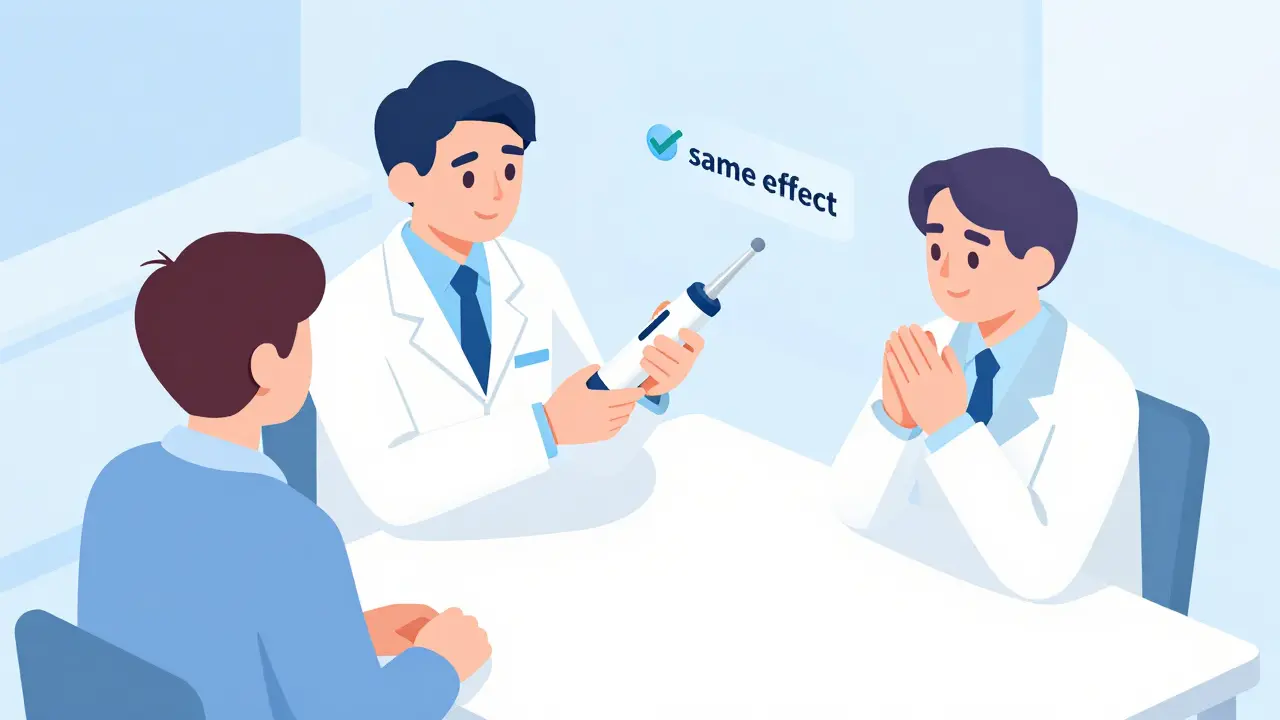
- Educate patients: Explain why biosimilars are safe, address appearance changes, and confirm patients can use delivery devices safely.
- Collaborate with prescribers: Send clear notes when swapping biosimilars. Build trust through transparent communication.
- Stay updated: Attend training on new biosimilars, interchangeability status, and regulatory changes. The FDA regularly updates guidance on biosimilars.
These steps make substitution smoother and safer. When pharmacists take charge, they reduce provider burden and keep patients on treatment. As one oncology pharmacist put it, "We're not just filling prescriptions-we're ensuring continuity of care."
Future of Biosimilar Substitution
The market for biosimilars is growing fast. With biologics costing so much, saving money on these drugs could free up resources for other healthcare needs. More states are updating laws to allow pharmacists to substitute interchangeable biosimilars without extra steps. The FDA is also exploring ways to simplify interchangeability requirements, which could speed up adoption.
Pharmacists will remain central to this evolution. As the PMCa database of biomedical literature research concludes, "the need for a pharmacy specialty dedicated to biotherapeutics is becoming increasingly apparent." With more training and clearer regulations, pharmacists can help bridge the gap between complex science and patient care. Their role isn't just about dispensing drugs-it's about making sure patients get the right treatment, safely and affordably.
What's the difference between biosimilars and generic drugs?
Biosimilars are copies of complex biologic drugs made from living cells, while generics are exact chemical copies of small-molecule drugs. Biosimilars aren't identical to their reference products due to manufacturing complexity, but they must show no clinically meaningful differences in safety or effectiveness. Generics are chemically identical and can be substituted automatically in most states. Biosimilars often require specific approval for substitution based on interchangeability status and state laws.
Can pharmacists substitute biosimilars without a doctor's approval?
It depends. Only "interchangeable" biosimilars can be substituted without a new prescription, and even then, state laws vary. Some states allow pharmacists to swap interchangeable biosimilars automatically, while others require prescriber notification. Non-interchangeable biosimilars always need doctor approval for substitution. Pharmacists must check local regulations before making any changes.
Why are some biosimilars not interchangeable?
The FDA requires extra testing for a biosimilar to be deemed "interchangeable." This means it must show that switching between the biosimilar and reference product won't increase risks or reduce effectiveness. Many biosimilars haven't completed this additional testing yet. As of late 2023, only a small number of biosimilars have received interchangeable status, though more are expected to qualify in the coming years.
How do pharmacists handle patient concerns about biosimilars?
Pharmacists address concerns by focusing on facts: the FDA requires rigorous testing proving biosimilars are as safe and effective as the original biologic. They explain that minor differences in appearance (like pill color or size) don't affect performance. For injectable biosimilars, they might demonstrate how to use the device safely. Many patients feel reassured when pharmacists say, "This medication has the same clinical effect with no meaningful differences," as shown in real-world pharmacy experiences.
What role do pharmacists play in pharmacovigilance for biosimilars?
Pharmacists track specific product details like batch numbers and document substitutions in medical records. This traceability is critical for monitoring safety issues. If a problem arises, pharmacists can quickly identify which batch was used and report it to regulators. The International Federation of Pharmaceutical Manufacturers & Associations stresses that "traceability measures are particularly important for pharmacovigilance when implementing pharmacy-mediated substitution with biosimilars." This helps ensure patient safety over time.


