MAOI Tyramine Risk Calculator
Result
Total Tyramine Intake:
0 mg
Percentage of Danger Threshold:
0%
Visual Comparison against Safety Limits:
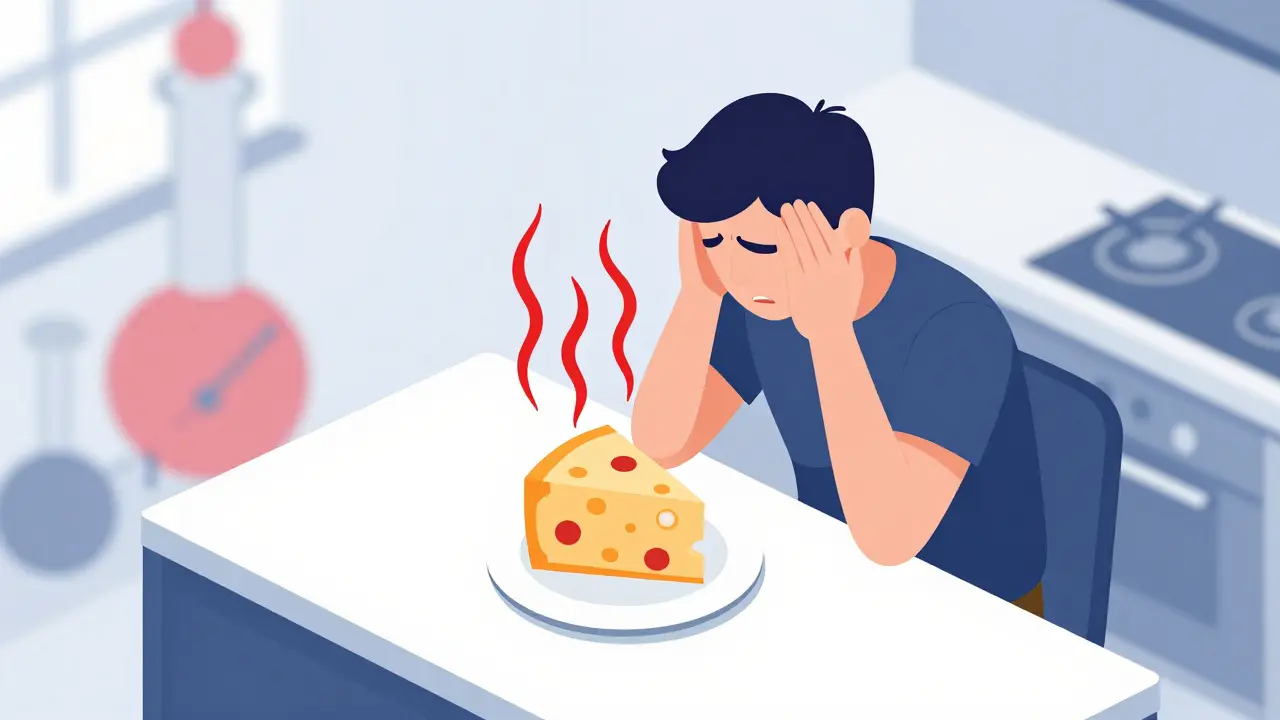
Imagine biting into a sharp piece of aged cheddar or a slice of pepperoni, only to feel your head pounding minutes later. For most people, this is just a heavy meal. But for those taking monoamine oxidase inhibitors (MAOIs), it can trigger a life-threatening medical emergency known as a hypertensive crisis. This isn't a rare side effect; it’s a direct chemical reaction between specific foods and your medication that demands strict attention.
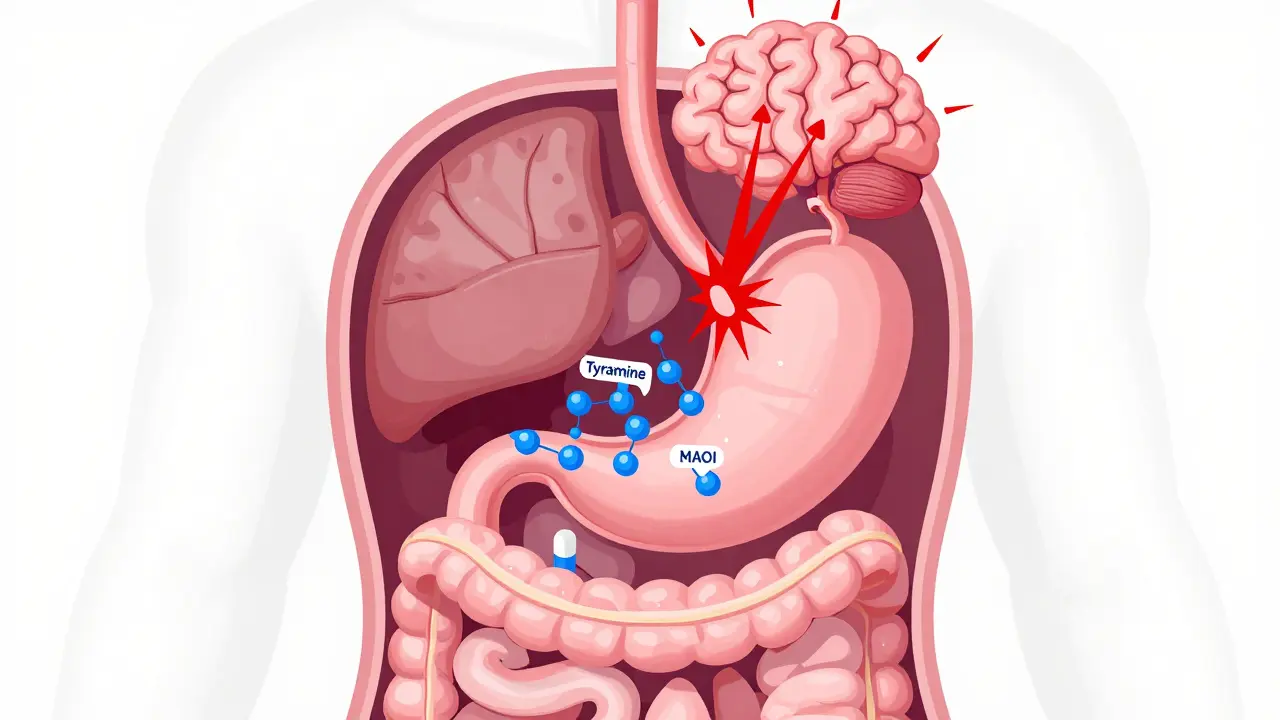
The core issue lies in a compound called tyramine. Found naturally in aging foods, tyramine is usually broken down safely by enzymes in your digestive system. However, MAOI medications block these enzymes. When the breakdown process stops, tyramine builds up rapidly, forcing your body to release stored norepinephrine. This causes your blood pressure to skyrocket, sometimes reaching dangerous levels like 180/120 mmHg within minutes. Understanding exactly which foods contain high levels of tyramine is not just about dietary preference-it’s about survival.
Why MAOIs Require a Special Diet
To understand why you need to avoid certain cheeses and meats, we have to look at how MAOI medications work. Drugs like phenelzine (Nardil) and tranylcypromine (Parnate) are powerful antidepressants used for treatment-resistant depression and Parkinson's disease. They function by inhibiting the enzyme monoamine oxidase, which normally breaks down neurotransmitters like serotonin and dopamine.
The problem arises because this same enzyme also breaks down tyramine. When you take an MAOI, you essentially shut down your body's primary defense against tyramine overload. According to data from the American Psychiatric Association, approximately 1.4 million Americans use MAOIs annually. While these drugs are highly effective, they require a lifestyle adjustment that many other antidepressants do not. The interaction was first documented in 1965 by Blackwell and colleagues, who showed a direct link between cheese consumption and severe high blood pressure in patients on these meds. Today, the risk remains significant, making dietary adherence non-negotiable.
High-Risk Foods: Aged Cheeses and Processed Meats
Not all dairy and meat are created equal when it comes to tyramine content. The older and more processed the product, the higher the risk. Tyramine forms as proteins break down during aging, curing, or fermentation. Here is what you need to watch out for:
- Aged Cheeses: These are the biggest culprits. Blue cheeses like Stilton and Gorgonzola can contain 1,000-3,500 micrograms of tyramine per gram. Parmesan ranges from 610-1,400 mcg/g, while Swiss cheese holds 400-1,200 mcg/g. Even brined feta cheese contains 350-800 mcg/g.
- Processed Meats: Dry-cured meats are particularly dangerous. Salami contains 150-500 mcg/g, pepperoni has 200-600 mcg/g, and dry summer sausages can hit 300-900 mcg/g. Smoked meats like bacon (75-250 mcg/g) and corned beef (60-180 mcg/g) present moderate risks.
- Fermented Sauces: Don't overlook condiments. Soy sauce (1,000-2,500 mcg/g), miso (800-2,000 mcg/g), and fish sauce (1,200-3,000 mcg/g) are packed with tyramine.
The threshold for triggering a crisis varies by person, but generally, ingesting more than 6 mg of tyramine in one sitting can cause symptoms, while doses over 25 mg can lead to severe emergencies requiring hospital care. A single serving of aged cheddar can easily exceed these safe limits.
| Food Category | Specific Examples | Tyramine Level (mcg/g) | Risk Level |
|---|---|---|---|
| Fresh Dairy | Cottage cheese, Ricotta, Fresh Mozzarella | < 30 - 40 | Safe |
| Semi-Soft Cheese | Brie, Camembert | 200 - 600 | Moderate |
| Aged Hard Cheese | Cheddar, Swiss, Parmesan | 400 - 1,400 | High Risk |
| Blue Cheese | Stilton, Gorgonzola | 1,000 - 3,500 | Very High Risk |
| Fresh Meat | Freshly cooked chicken, turkey, beef | < 10 | Safe |
| Dry-Cured Meat | Salami, Pepperoni, Summer Sausage | 150 - 900 | High Risk |
Safe Alternatives for Daily Meals
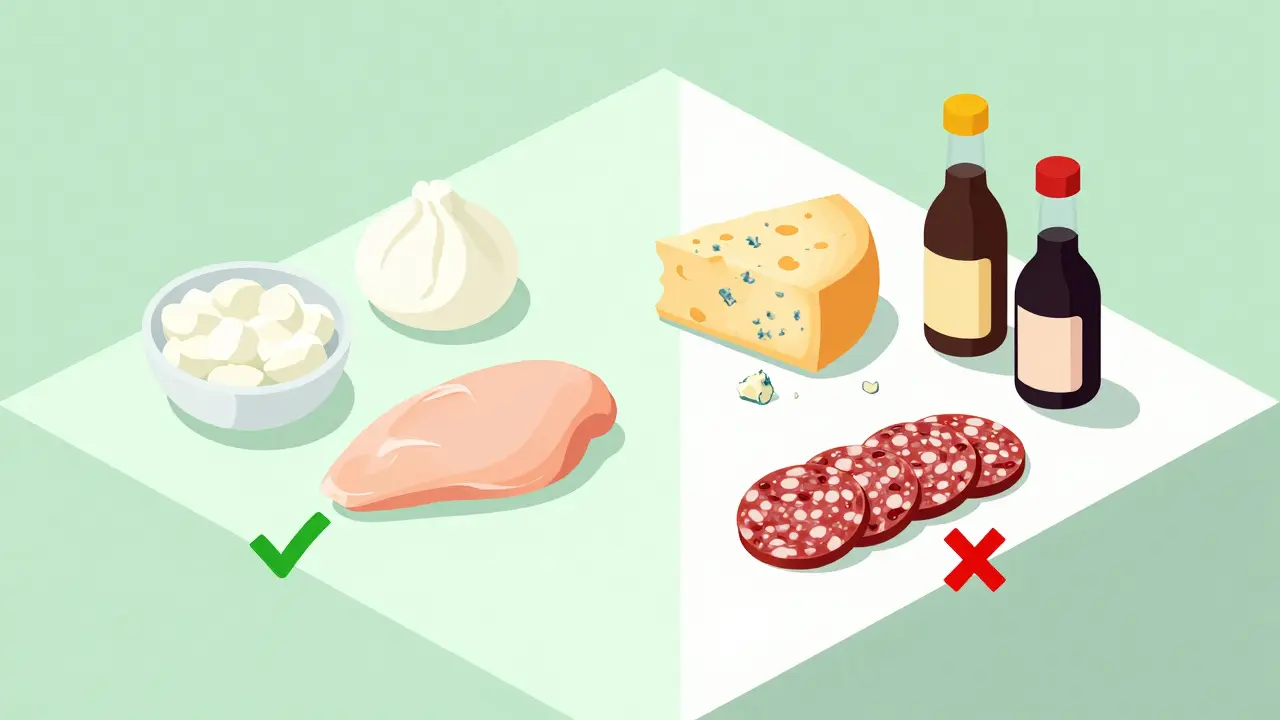
You don’t have to give up flavor entirely. The key is choosing fresh, unaged products. Fresh cheeses made from pasteurized milk are generally safe. Cottage cheese, ricotta, cream cheese, and fresh mozzarella all contain negligible amounts of tyramine (less than 50 mcg/g). If you crave a savory topping, opt for freshly grated parmesan-style cheese that hasn't been aged, though caution is still advised as some pre-grated options may be older.
For meats, stick to freshly prepared cuts. Cook your own chicken, turkey, or beef rather than buying deli slices that have been sitting in a cure. Bologna and hot dogs present a moderate risk, so they should be consumed sparingly or avoided if you are sensitive. Always check labels for "cured," "smoked," or "aged"-these are red flags.
Other foods previously thought to be risky are now considered safe in moderation. Bananas, chocolate, peanuts, and properly stored pickled vegetables typically have low tyramine levels. However, always ensure fruits and vegetables are fresh; overripe produce develops higher tyramine content as it spoils.
Recognizing Symptoms of a Hypertensive Crisis
If you accidentally consume a high-tyramine food, act quickly. Symptoms usually appear within 15 to 30 minutes. The most common sign is a severe, throbbing headache, often felt at the back of the head (occipital region). Other warning signs include:
- Rapid heartbeat or palpitations
- Excessive sweating
- Nausea or vomiting
- Sensitivity to light (photophobia)
- Stiff neck
If you experience these symptoms, seek emergency medical help immediately. Do not wait to see if it passes. A hypertensive crisis can lead to stroke, heart attack, or other serious complications. Tell medical staff you are taking MAOIs and suspect a tyramine reaction. This information helps them treat you correctly, often with specific medications to lower blood pressure rapidly.
Managing Your Diet Long-Term
Living on MAOIs requires vigilance. The dietary restrictions must continue for two to three weeks after you stop taking the medication, as it takes time for your body’s monoamine oxidase enzyme activity to return to normal. During this period, your sensitivity remains high.
Practical tips for managing this diet include keeping a food diary to track what you eat and any corresponding blood pressure changes. Individual tolerance varies significantly-one person might react to 10 mg of tyramine, while another tolerates up to 25 mg. Monitoring your own body helps identify your personal threshold. Consider carrying an emergency card that explains your dietary restrictions to restaurant staff or family members. This simple step can prevent accidental exposure in social settings.
Technology is also helping. Apps like the Mayo Clinic’s MAOI Diet Tracker allow you to scan barcodes to check for high-tyramine ingredients. As of 2023, these tools have shown high accuracy in identifying risky products, giving users peace of mind when shopping. Always read ingredient lists carefully, looking for hidden sources like soy sauce or aged cheese powders in processed snacks.
When to Consult Your Doctor
If you find the diet too restrictive or difficult to maintain, talk to your healthcare provider. There may be alternative treatments that do not require such strict dietary controls. However, never switch medications without professional guidance. The benefits of MAOIs for treatment-resistant conditions often outweigh the challenges, provided you stay informed and cautious.
Remember, knowledge is your best protection. By understanding which foods contain tyramine and how your medication interacts with them, you can safely enjoy meals while protecting your health. Stay vigilant, read labels, and prioritize fresh, unprocessed options whenever possible.
Can I eat fresh mozzarella on MAOIs?
Yes, fresh mozzarella is generally safe. It contains less than 25 micrograms of tyramine per gram, which is well below the danger threshold. Just ensure it is truly fresh and not aged.
How long does it take for tyramine symptoms to appear?
Symptoms typically begin within 15 to 30 minutes after consuming a high-tyramine food. The onset can be rapid, so immediate attention is crucial if you feel unwell.
Do I need to follow this diet after stopping MAOIs?
Yes, you must continue the restricted diet for two to three weeks after discontinuing MAOI therapy. Your body needs this time to restore normal monoamine oxidase enzyme activity.
Is salami safe to eat in small amounts?
No, salami is considered high-risk due to its dry-curing process. It contains 150-500 micrograms of tyramine per gram, which can easily trigger a hypertensive crisis even in small servings.
What should I do if I accidentally eat aged cheese?
Monitor your blood pressure closely and watch for symptoms like severe headache or palpitations. If symptoms develop, seek emergency medical care immediately. Do not wait to see if it resolves on its own.